
Event Venue Contracts in Washington DC: Clauses That Matter More Than Price

This guide is informational and not legal advice. Always consult a licensed attorney before signing venue contracts.
Planning an event in Washington DC often starts with finding the right venue—but the real financial risk doesn’t come from the price you’re quoted. It comes from the contract you sign.
Whether you’re comparing wedding venues in Washington DC, shortlisting corporate event venues, or booking a space for a private celebration, venue contracts in DC are written to protect the venue first. Understanding the clauses that matter most can save you from five-figure surprises later.
This guide breaks down the event venue contract clauses in Washington DC that matter more than price, with practical explanations, examples, and negotiation tips you can actually use.
TL;DR: What Most People Miss in DC Venue Contracts
- Venue price is predictable; contract clauses are not
- Cancellation and attrition clauses cause the biggest losses
- Force majeure language is often weaker than it looks
- Food & beverage minimums can result in double charging
- Vendor restrictions can quietly inflate your budget by 15–25%
- Most clauses are negotiable—if you know what to ask for
Why Event Venue Contracts in Washington DC Are Especially Tricky
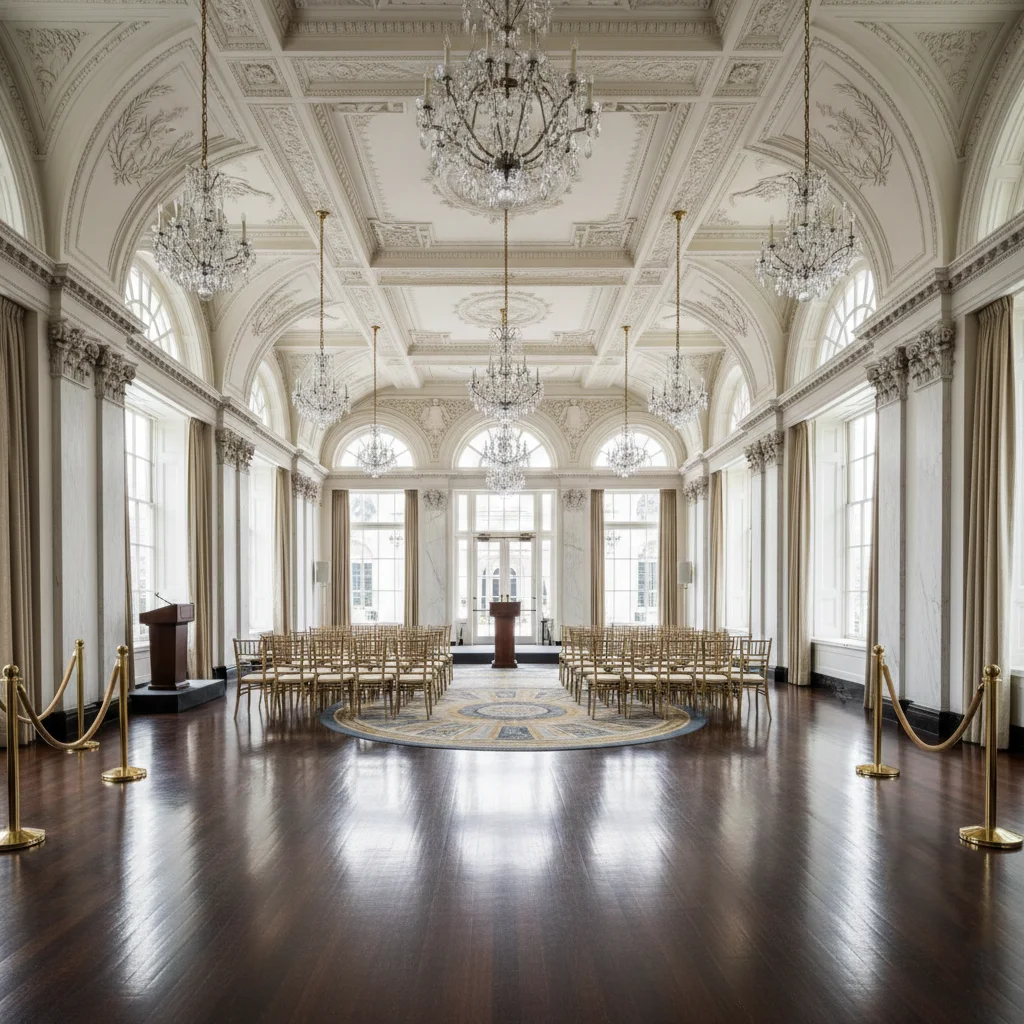
Washington DC is a high-demand, low-inventory event market. Prime dates for weddings, conferences, and private events book quickly, giving venues leverage—especially for spring and fall weekends.
If you’re browsing Washington DC event venues or comparing availability across different neighborhoods, it’s easy to focus on aesthetics and pricing. But two venues with the same rental fee can have radically different financial risk depending on how their contracts are written.
What Do Cancellation Clauses Really Mean in DC Venue Contracts?

Cancellation clauses define what happens if your plans change—and in DC, they’re often stricter than expected.
Typical Cancellation Timelines
| Time Before Event | Common Outcome |
|---|---|
| 90+ days | Full refund or full credit |
| 60–90 days | Partial refund or credit |
| 30–60 days | 50% forfeited |
| Under 30 days | 100% non-refundable |
The Overlooked Risk
Many contracts treat downsizing (fewer guests, shorter hours, reduced scope) as a form of cancellation. Couples booking through wedding venues in Washington DC are especially vulnerable when guest counts change.
What to Negotiate
- Push penalty-free cancellation to 90–120 days
- Add one no-penalty reschedule within 12–24 months
- Clarify that guest-count reductions are not cancellations
- Ensure credits are issued at full value
If you’re early in the planning phase, it also helps to understand how early to book an event venue in Washington DC so you’re not locked into unfavorable terms too soon.
Attrition Clauses: The Most Expensive Clause Nobody Explains
Attrition applies when your guaranteed room block or food-and-beverage commitment isn’t met. This clause is especially common for hotels and large corporate event venues in Washington DC.
How Attrition Charges Add Up
| Item | Example |
|---|---|
| Room nights contracted | 300 |
| Allowed attrition | 20% |
| Actual bookings | 225 |
| Penalized rooms | 75 |
| Avg nightly rate | $250 |
| Attrition charge | ~$15,000 |

How to Reduce Attrition Risk
- Require the venue to resell unused rooms
- Cap total attrition liability
- Waive attrition on sold-out nights
- Separate attrition penalties from cancellation penalties
- Request audit rights after the event
This is particularly important if you’re booking hotels through event venues in DC for conferences or multi-day celebrations.
Force Majeure: When “Beyond Your Control” Isn’t Clear Enough
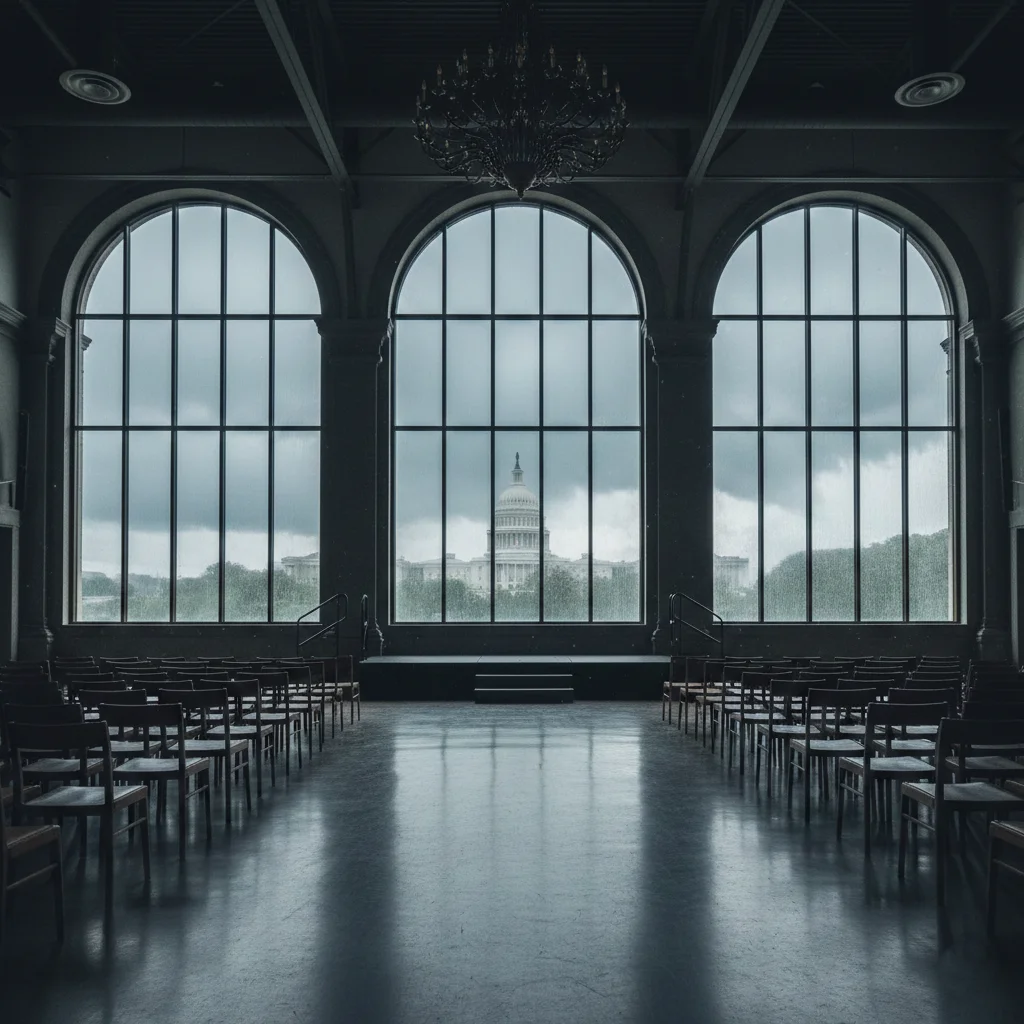
Force majeure clauses are supposed to protect both parties during extraordinary events—yet many DC venue contracts still rely on vague or outdated language.
A strong force majeure clause should clearly include:
- Government orders or advisories
- Epidemics or pandemics
- Severe weather events
- Transportation shutdowns
- Civil unrest or security issues
What’s Usually Missing
- Whether deposits are refunded or just credited
- How long you have to reschedule
- Whether attrition and cancellation penalties are waived
If you’re planning a wedding, reviewing a Washington DC wedding event venue contract without strong force majeure language is a major risk—especially for outdoor or destination-heavy events.
Vendor Restrictions: Why “Exclusive” Often Means Expensive

Many venues—especially unique or historic spaces—limit which vendors you can use.
Common Vendor Models in DC
| Vendor Policy | Flexibility | Budget Impact |
|---|---|---|
| Open vendor | High | Possible vendor fees |
| Preferred list | Medium | Limited pricing competition |
| Exclusive vendor | None | 15–25% higher total cost |
Exclusive vendor policies are common in unique wedding venues in Washington DC, where the venue controls catering, bar service, or AV.
What to Clarify in Writing
- Vendor fees and caps
- Kitchen access limitations
- Whether vendor fees count toward F&B minimums
- Load-in and setup restrictions
Food & Beverage Minimums vs Room Rental: Never Accept Both
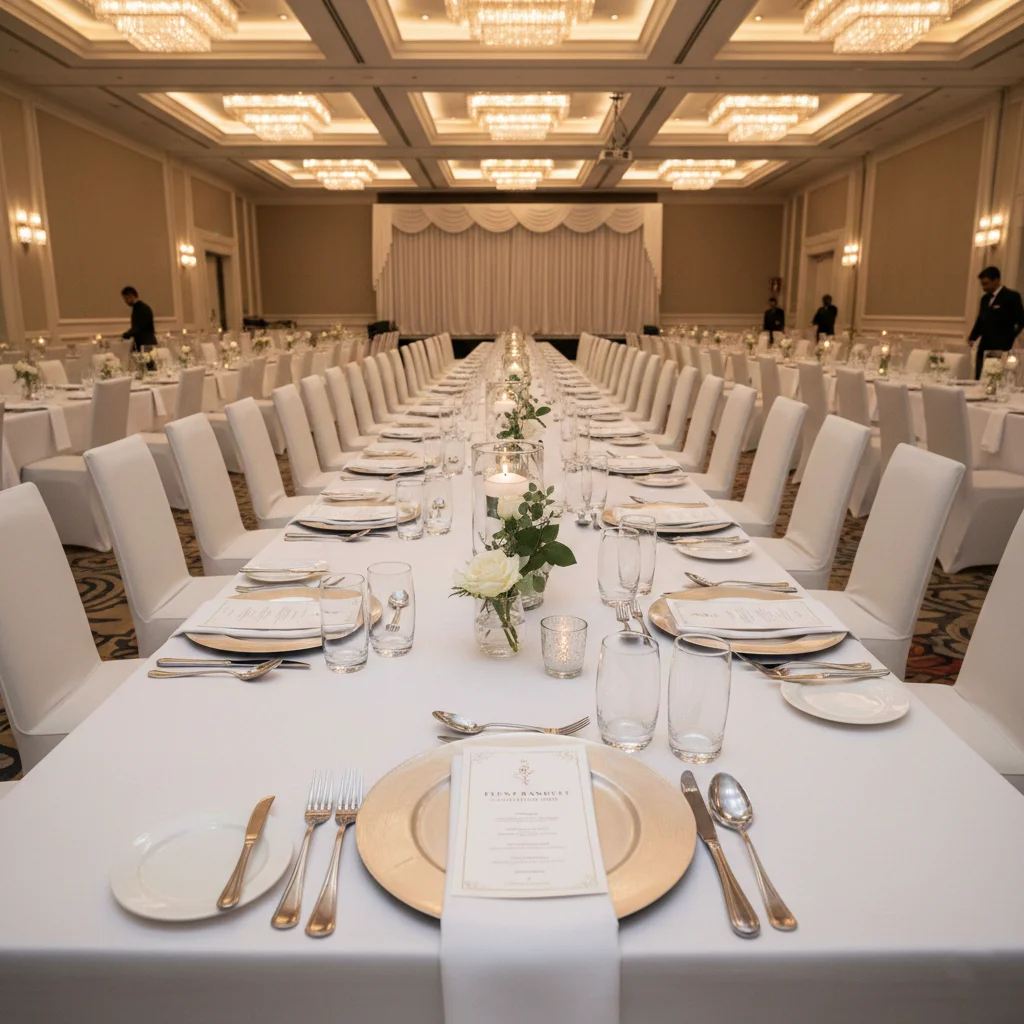
This is one of the most common—and costly—contract structures in DC.
The Correct Setup
- Either an F&B minimum or a room rental
- Never both at the same time
The Problem
Some contracts require a high F&B minimum plus a room rental fee, effectively double charging. This frequently appears in private party venues in Washington DC and hotel ballrooms.
Smarter Contract Language
- Waive room rental once the F&B minimum is met
- Calculate shortfalls based on profit margin, not gross revenue
- Clarify what counts toward the minimum (bar sales, coffee service, staff meals)
Liability & Insurance Clauses That Go Too Far
Most venues require:
- $1–2 million in general liability coverage
- Liquor liability if alcohol is served
- The venue listed as an additional insured
That’s normal.
What’s not normal is language that makes you responsible for the venue’s own negligence.
Safer Indemnification Language
- You indemnify only for your own actions
- Venue remains liable for its staff and property
- Guest behavior exclusions are clearly defined
DC-Specific Clauses Many Contracts Overlook
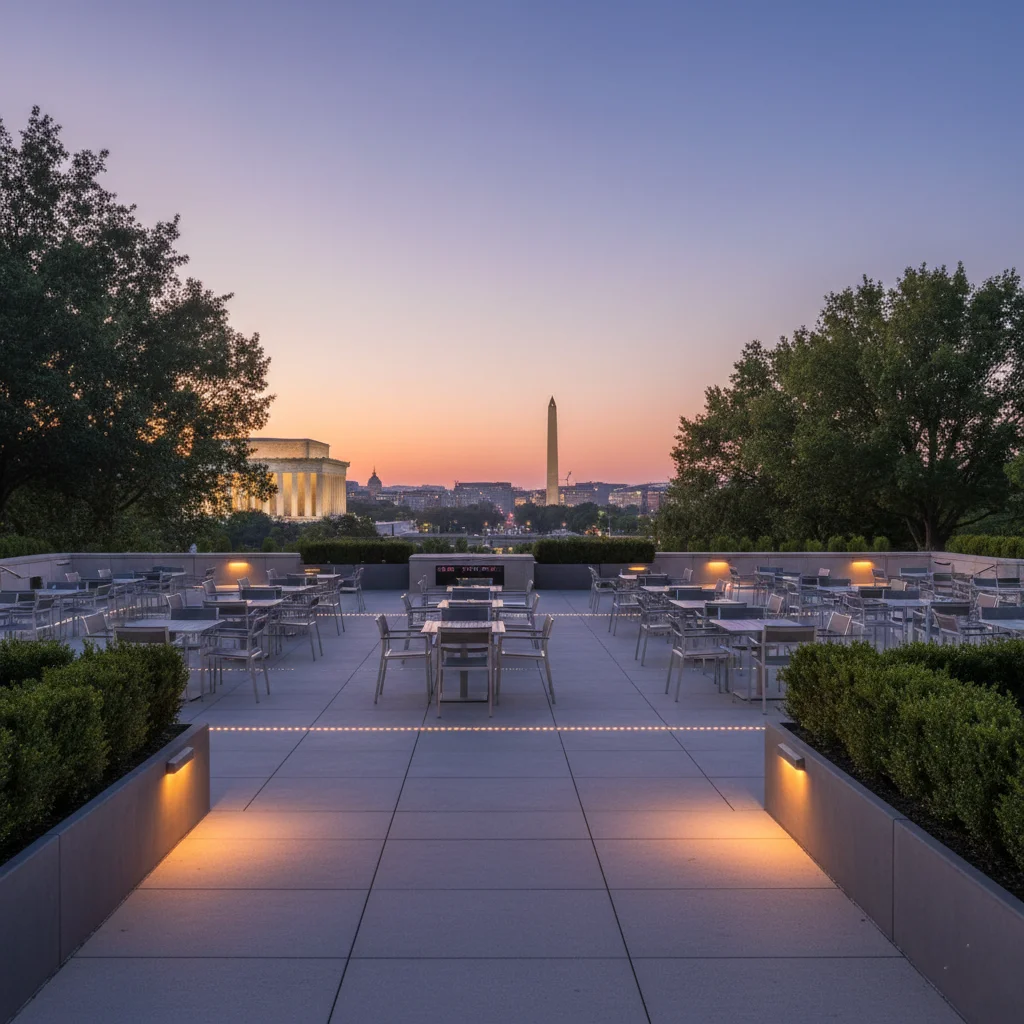
If you’re booking outdoor venues in Washington DC or pop-up locations, these details matter:
- Noise curfews and enforcement times
- Permit responsibility in historic districts
- Vendor parking and load-in access
- Strict teardown deadlines
These issues are especially relevant for pop-up party venues with hourly rentals, where timing penalties add up quickly.
Who This Guide Is For
This guide is especially useful if you are:
- Planning a wedding in Washington DC
- Booking a corporate or conference venue
- Comparing venues with similar pricing
- Managing guest counts, room blocks, or outdoor setups
- Choosing between traditional and small wedding venues in Washington DC
Final Takeaway

When comparing wedding venues in Washington DC, corporate spaces, or private party locations, remember this:
The price gets you in the door.
The contract decides what you actually pay.
If you want help comparing options, exploring availability, or narrowing down spaces that fit your risk tolerance, browsing curated listings of Washington DC event venues before you sign anything can make all the difference.
Frequently Asked Questions
What should I look for first in an event venue contract in Washington DC? ▾
Start with the cancellation clause, attrition terms, and food & beverage minimums. These sections carry the highest financial risk and are more important than the venue’s advertised price.
Are event venue contracts in Washington DC negotiable? ▾
Yes. Most DC venues are willing to negotiate contract language even if pricing is fixed. Cancellation timelines, attrition caps, force majeure language, and indemnification clauses are commonly revised when requested early.
How far in advance should I sign a venue contract in Washington DC? ▾
Most wedding and corporate venues in DC are booked 9–18 months in advance. You should only sign once cancellation and force majeure terms are clearly defined and aligned with your planning timeline.
What is an attrition clause and why is it risky? ▾
An attrition clause penalizes you if your guaranteed room block or spending commitment isn’t met. In DC hotels, attrition penalties can exceed $10,000–$20,000 for multi-day events.
Can a venue charge both a room rental fee and a food & beverage minimum? ▾
They often try—but they shouldn’t. A properly structured contract requires either an F&B minimum or a room rental, not both. Paying both is effectively double charging.
What happens if I need to reduce my guest count? ▾
Many DC venue contracts treat downsizing as a form of cancellation. Always confirm in writing that guest count reductions do not trigger penalties if minimums are still met.
Do force majeure clauses cover pandemics and government shutdowns? ▾
Not always. Older contracts may exclude pandemics. Ensure force majeure clauses explicitly include government orders, public health emergencies, and travel restrictions.
Are vendor restrictions common at Washington DC venues? ▾
Yes. Many venues operate with preferred or exclusive vendor lists. Exclusive catering policies can increase total event costs by 15–25%.
Does event insurance really matter for venue contracts? ▾
Yes. Most DC venues require $1–2 million in liability insurance. Your policy must also align with the contract’s indemnification language.
What DC-specific rules affect venue contracts? ▾
Noise curfews, permit requirements, vendor load-in access, and teardown deadlines are common—especially for outdoor, pop-up, and historic venues.
Should I hire a lawyer to review my venue contract? ▾
If your event involves large deposits, room blocks, or high guest counts, a legal review can save thousands. At minimum, fully understand cancellation and attrition clauses.
What’s the biggest mistake people make with DC venue contracts? ▾
Focusing on price instead of risk. Two venues with identical pricing can have very different financial outcomes depending on contract terms.
Related Post









Search by Category

Contact Us
Please provide your contact information with event details. You will be contacted soon.
