How to Address a Widow: Etiquette, Titles, and Best Practices
TL;DR:
When deciding how to address a widow, the most important factor is respect and sensitivity. Traditionally, widows were addressed as Mrs. [Husband’s First Name] [Last Name], but today most prefer Mrs. or Ms. followed by their own first and last name. If you’re unsure which title to use for a widowed woman, Ms. is the safest choice. In formal invitations, letters, and legal documents, use her full name with Mrs. or Ms.. For everyday or informal communication, simply using her first name is usually appropriate. Avoid assumptions about titles, marital status, or adding “and family.” When in doubt, ask politely for her preferred form of address.
Introduction
Understanding how to address a widow is an important part of modern etiquette. Many people struggle with questions like:
Should you use Mrs. or Ms. when addressing a widow?
Is it still correct to use the late husband’s name?
How do you address envelopes for a widowed woman?
What’s the respectful way to address someone whose spouse has passed away?
This guide covers the proper etiquette for addressing a widow in formal letters, casual messages, invitations, and professional settings. You’ll also learn what to avoid, how to ask about her preference, and long-established best practices that still apply today.
Looking for elegant event venues in Washington DC? Whether you’re hosting a memorial gathering or a social dinner, choosing the right location can help create a respectful and warm atmosphere.
Do You Use Mrs. or Ms. for a Widow?
Many people ask this because they’re afraid of choosing the wrong title for a widowed woman. The truth is: her preference matters more than tradition.
Traditional Approach
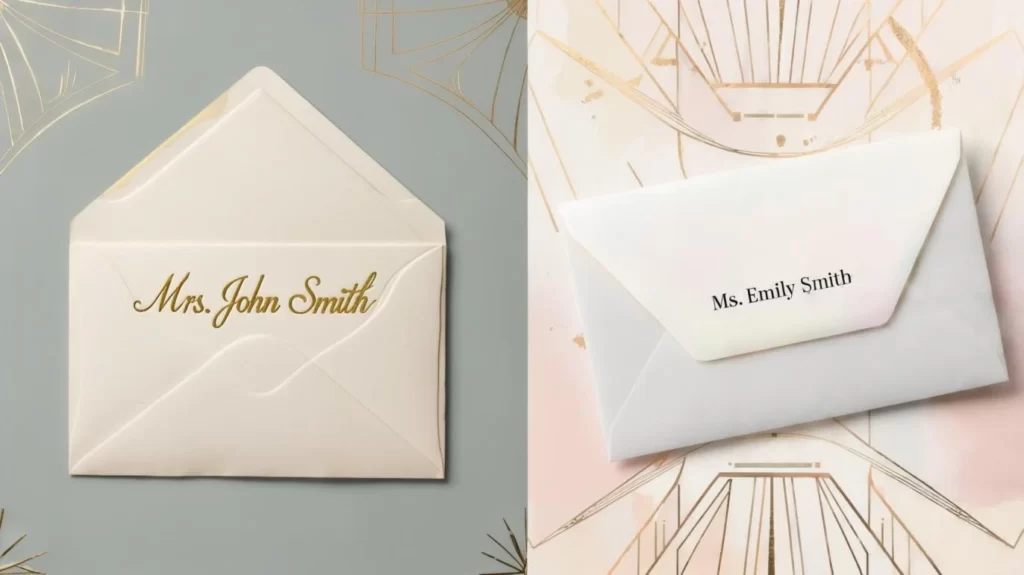
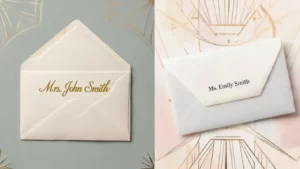
Historically, the formal way to address a widow was: Mrs. [Husband’s First Name] [Last Name] Example: Mrs. John Smith
This reflected older etiquette rules and was commonly used on envelopes, formal letters, and wedding invitations. Today, many consider this outdated unless the widow herself likes being addressed this way.
If you’re planning a wedding or a remembrance event in the capital, you’re likely thinking about everything from the perfect venue to entertainment — and questions like how much do DJs cost for weddings? naturally come up as part of the planning process.
Modern Approach
Most widows today are addressed using their own first name:
Mrs. [Her First Name] [Last Name]
Ms. [Her First Name] [Last Name]
Using Ms. is now widely accepted, respectful, and often recommended when you’re not sure which title she prefers. This avoids making assumptions about her marital identity while still being polite.
Best Practice:
Follow her stated preference if she has one.
Use Ms. when unsure—it’s the most neutral, modern option.
Avoid using Mrs. [Husband’s First Name] unless she prefers traditional forms.
Hotel Monaco Baltimore is a sophisticated Maryland venue known for its elegant historic architecture and versatile spaces that work beautifully for weddings, receptions, and heartfelt gatherings.
Understanding etiquette depends on the situation — whether you’re addressing a formal envelope, sending a professional email, writing a sympathy card, or preparing a wedding invitation.
Formal Correspondence
(Wedding invitations, formal envelopes, business letters, official documents)
When addressing a formal letter or invitation to a widow, these formats are appropriate:
Mrs. Emily Smith Ms. Emily Smith
These formats are ideal when you’re:
addressing envelopes for a wedding
sending official letters
writing business correspondence
completing legal paperwork
using traditional invitation wording
Formal Example:
Ms. Emily Smith Senior Manager, ABC Corporation 5678 Willow Lane Chicago, IL 60601
This follows common standards for formal letter writing and professional etiquette.
Those seeking charming venues in Washington DC for formal occasions or memorial gatherings will find a variety of options that suit both classic and contemporary styles.
2. Informal or Casual Settings
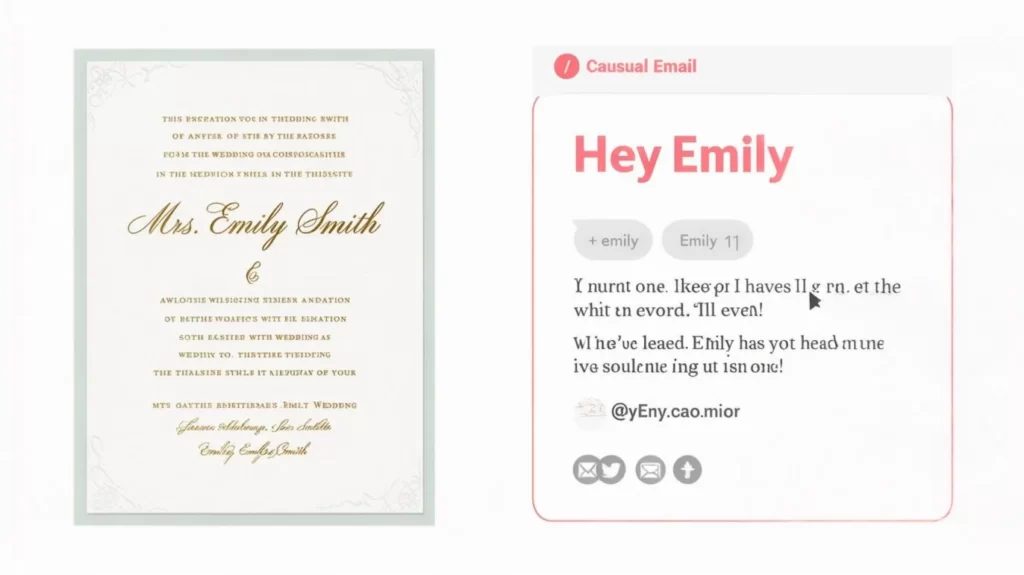
In everyday communication, including emails, text messages, or informal invitations, simplicity is fine:
Emily Smith
Emily
This is widely accepted for social gatherings, dinner invitations, or casual conversations.
Salernos Catering is a trusted Maryland caterer known for delivering flavorful, crowd-pleasing menus that elevate weddings, memorial gatherings, and intimate events alike.
3. Addressing a Widow in a Wedding Invitation
Use Mrs. [Her First Name] [Last Name] or
Ms. [Her First Name] [Last Name]
Avoid automatically using her late husband’s name unless she specifically prefers that traditional wording.
Celebrate Planning & Event is a trusted California-based florist known for creating thoughtful, elegant arrangements that elevate both intimate ceremonies and larger wedding celebrations.
Avoid assumptions with phrases like:
“and family”
“and guest” (unless you want to offer a plus-one)
Example Wording:
Mrs. Emily Smith, You are warmly invited to celebrate the wedding of…
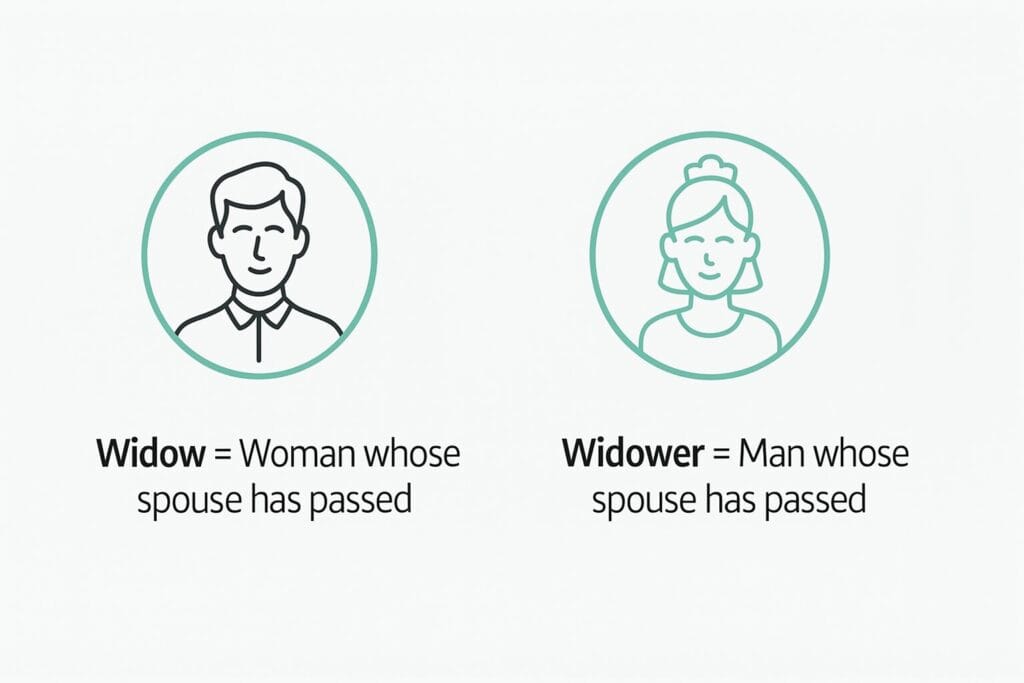
TThe male equivalent is a widower. He is typically addressed as:
Mr. James Smith
Unlike widows, widowers almost always keep the same title regardless of marital status, making it simpler and more consistent across all settings.
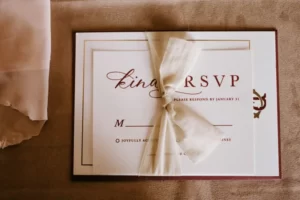
When you’re drafting formal invitations, addressing each guest properly is half the job—and equally you need to request a timely reply. For clarity on the RSVP abbreviation and how to include it in your invite, check What Does RSVP Mean?
How to Ask a Widow About Her Preferred Title
If you’re unsure, the most respectful and emotionally sensitive option is to ask gently and directly.
Examples:
“I want to make sure I address you correctly. Do you prefer Mrs. or Ms.?”
“For the invitation, how would you like your name to appear?”
This avoids misunderstandings and shows thoughtful communication.
Common long-tail searches addressed here:
how to address a grieving woman respectfully
how to politely ask a widow about her title
how to address someone who lost their spouse
Looking for a scenic or elegant space to host a tribute or remembrance service? Explore the best wedding venues in San Antonio that double as beautiful backdrops for both celebratory and solemn events.
Planning invitations or event communication often involves balancing etiquette with clear, organized guest details. Tools that help structure invitation wording and guest information can make this process smoother while maintaining respectful communication.
Support for organizing guest names, titles, and invitation wording
Guidance-friendly tools designed for formal and personal event communication
Options that help simplify RSVP tracking and invitation management
To avoid discomfort or unintentional offense, avoid these common errors:
Assuming she still uses her husband’s surname
Automatically using “Mrs.” without verifying
Including “and family” without asking
Using outdated forms like Mrs. John Smith without her preference
Forgetting to check her current legal or preferred name
Mixing formal and informal tone in the same invitation or letter
These reminders cover related keyword searches like:
addressing envelopes for widows
mistakes to avoid when addressing a widow
etiquette rules for widowed women
If you’re handling invitations or correspondence around a sensitive life event, having clarity on wording, tone, and logistics can make the process feel more manageable.
Guidance on respectful communication for personal or formal gatherings
Context-aware support for invitations, memorials, and private events
Help aligning etiquette details with overall event planning needs
Preferred Hotel Group is a refined Colorado venue collection offering elegant, well-designed spaces ideal for weddings, receptions, and meaningful life events.
Best Practices for Addressing a Widow Respectfully
Check her preference whenever possible
Use Ms. if you’re unsure
Only use her late husband’s name if she prefers traditional etiquette
Follow formal standards for invitations, sympathy notes, and legal documents
Stay consistent across envelopes, RSVP cards, and inserts
Horizon Hotels Ltd is a versatile New Jersey venue offering comfortable, well-designed event spaces suitable for weddings, receptions, and meaningful gatherings.
Final Thoughts
Understanding how to address a widow comes down to empathy, respect, and awareness. Whether you choose Mrs. or Ms., the goal is to acknowledge her identity in a way that feels comfortable to her. When unsure, Ms. remains the most universally appropriate choice.
These best practices ensure you communicate with kindness, clarity, and modern etiquette — whether you’re sending a wedding invitation, writing a sympathy message, or addressing formal correspondence.
Whether you’re planning a wedding, birthday party, corporate event, or private gathering, finding the right event planner can make all the difference. At greatEvent, we help you connect with experienced event planners in your area.
Contact us today and let us help you find the perfect event planner for your event.
Frequently Asked Questions
Should I always use “Mrs.” when addressing a widow?
▾
No. Some widows prefer “Mrs.”, while many choose “Ms.” or revert to their maiden name. It’s best to ask her preference if possible.
Is it appropriate to use the late husband’s name?
▾
Traditionally, widows were addressed using their late husband’s name, but this is considered outdated today. Only use it if she specifically requests that form.
What is the safest way to address a widow if I don’t know her preference?
▾
Using “Ms. [Her First Name] [Last Name]” is the safest and most neutral choice when you are not sure which title she prefers.
How do I address a widow in a wedding invitation?
▾
Use “Mrs. [Her First Name] [Last Name]” or “Ms. [Her First Name] [Last Name]” on the invitation envelope, and avoid making assumptions about her preferred title.
Can I use “and family” when addressing a widow?
▾
Use “and family” only if she has explicitly said she prefers to be addressed that way. Otherwise, it’s best to address her individually by name.
How do I ask her preference politely?
▾
You can say something like, “I want to make sure I address you correctly. Do you prefer Mrs. or Ms.?” This is both respectful and clear.
Does a widower have a special title?
▾
No. A widower, a man whose wife has passed away, is usually addressed as “Mr. [First Name] [Last Name]” just as before.
Should I address a widow differently in formal vs. casual settings?
▾
Yes. In formal settings, use “Mrs.” or “Ms.” with her last name. In casual situations, using just her first name is often perfectly acceptable.
What if she uses her maiden name?
▾
If she has reverted to her maiden name, address her as “Ms. [Maiden Name]” unless she has expressed a different preference.
Is there a rule for addressing a widow in legal documents?
▾
For legal documents, use her official legal name and title as recorded. If you’re unsure, “Ms.” is a respectful and widely accepted default.