
How to Book a Wedding Venue in Washington DC (Step-by-Step Guide)
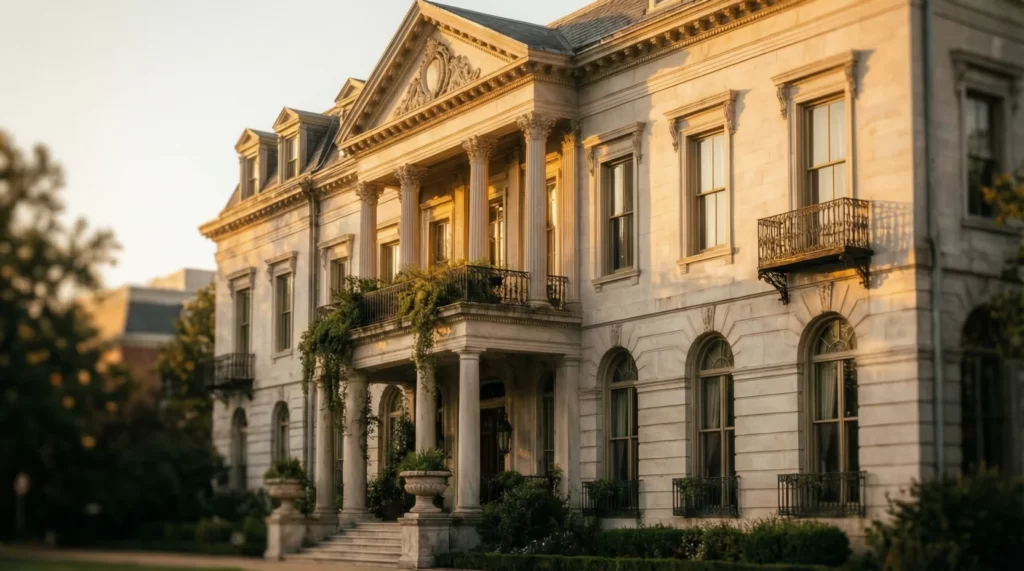
Booking a wedding venue in Washington DC is one of the most consequential decisions you’ll make as an engaged couple. Your venue sets the entire tone for your celebration—from the architectural backdrop of your photos to the layout of your reception. Yet many couples approach this process without understanding DC’s unique market dynamics, seasonal pressures, and local regulations.
Couples often begin their search by exploring a wide range of wedding venues in Washington DC to understand what styles, sizes, and locations are available across the city.
This guide walks you through exactly how to book a wedding venue in Washington DC, informed by local market conditions, contract best practices, and common pitfalls that couples encounter. Unlike many US cities, Washington DC combines federal regulations, historic preservation rules, and dense residential zoning, which directly affect how wedding venues in DC operate and what requirements couples must navigate.
TL;DR — Booking a Wedding Venue in Washington DC
- Book 12–18 months early for peak DC wedding season
- Finalize guest count + budget before touring venues
- Understand DC noise ordinances & permits
- Always review contracts, deposits, and cancellation terms
- Compare multiple wedding venues in DC before signing
What Should Couples Decide Before Booking a Wedding Venue in Washington DC?

Before you schedule a single venue tour, establish your wedding fundamentals. This clarity will make your entire process faster and more decisive.
Define your vision and style: Are you imagining a black-tie ballroom affair, an intimate garden ceremony, a historic mansion, or a modern loft? Your aesthetic preference will dramatically narrow your search. Wedding venues in DC span from Federal-era townhouses in Dupont Circle to contemporary spaces in emerging neighborhoods. Trying to book without clarity often leads to couples falling in love with a space that doesn’t align with their actual wedding vision.
Determine your guest count. This is non-negotiable. Venues in Washington DC and surrounding areas have strict fire code capacity limits. A rough estimate now prevents the frustration of returning to a venue later only to discover it’s too small or too large. Small capacity venues (25-75 guests) are common in historic DC homes and boutique hotels. Mid-size venues (100-200) populate hotel ballrooms and garden estates. Large venues (300+) exist but are less abundant in the historic core.
Set a realistic timeline and budget. Know roughly how much you’re willing to spend on venue rental alone—not catering, not flowers, just the space. This prevents what some planners call being “venue poor,” where couples overspend on the location and have nothing left for other essentials. Similarly, understand your flexibility on date. Couples willing to marry on Friday or Sunday, or during the slower winter months (November through March), have significantly more leverage and options.
Identify your priorities. Is on-site catering essential, or do you want to bring in your own vendor? Do you need guest accommodations nearby? Is a dramatic view non-negotiable? Understanding what truly matters to you prevents spending hours touring spaces that don’t meet your core needs.
Reviewing curated collections of beautiful wedding venues in Washington DC can help couples clarify their style preferences before scheduling venue tours.
How Far in Advance Should You Book Wedding Venues in DC?
The DC wedding market is highly seasonal and competitive. Timing matters tremendously.
| Wedding Timing | When to Book | Notes |
|---|---|---|
| Peak Season (May–June, Sept–Oct) | 12–18 months | Highest demand |
| Off-Season (Nov–March) | 6–12 months | Better pricing |
| Weekday Weddings | 4–8 months | More flexibility |
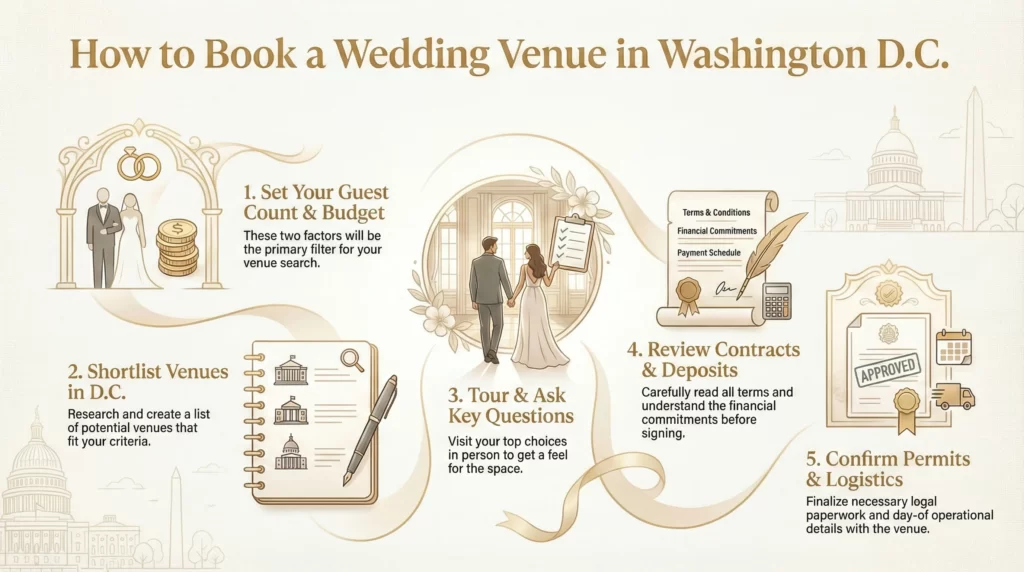
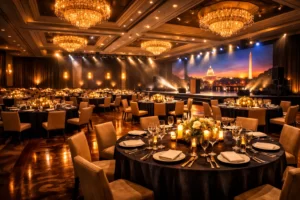
For peak season (May, June, September, October), book 12 to 18 months in advance. These are Washington DC’s most sought-after wedding months because of perfect weather and the city’s aesthetic appeal. Popular venues in these months often fill 18 to 24 months out, especially those with historic significance or iconic views. If you have your heart set on a specific venue—say, a rooftop overlooking the National Mall or a particular historic garden—expect to secure your date 18 months or more before your wedding.
For off-season or weekday weddings, 12 to 15 months suffices. Couples willing to marry in November through March or on Friday and Sunday evenings will find better availability and often more flexibility on pricing. Many DC couples plan their weddings this way and experience less competition for vendor time and attention.
The broader planning timeline for DC averages 13 months, slightly shorter than the national average of 15 to 16 months. This reflects DC’s efficient market—couples get serious quickly because they know popular venues disappear fast.
Because availability varies widely by season and venue type, many couples compare multiple options using filtered lists of Washington DC wedding venues before committing to a date.
What Types of Wedding and Event Venues Are Common in Washington DC?
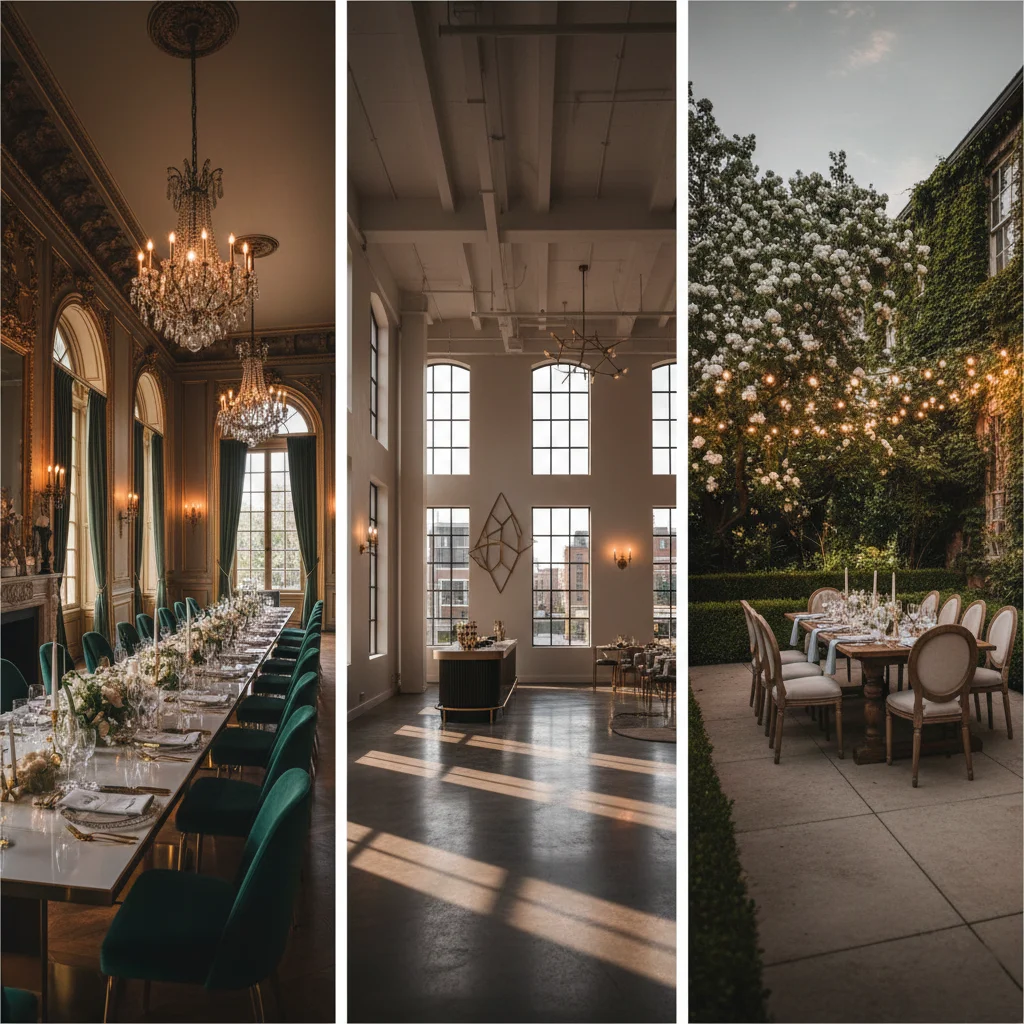
Washington DC’s venue landscape is distinctly shaped by the city’s history, geography, and federal character. The range of available spaces—from intimate historic homes to large hotel ballrooms—means couples have diverse options, though each type comes with distinct advantages and considerations.
Washington DC offers a diverse mix of spaces, from traditional wedding locations to flexible event venues in Washington DC that host both private celebrations and formal gatherings.
| Venue Type | Guest Size | Best For |
|---|---|---|
| Historic Homes | 25–100 | Intimate weddings |
| Hotels | 100–300+ | Out-of-town guests |
| Modern Event Spaces | 50–250 | Custom styling |
| Restaurants | 25–75 | Food-focused weddings |
Historic Mansions and Period Homes
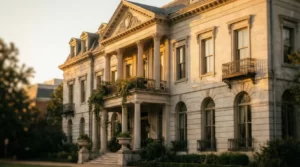
DC contains dozens of Federalist and Victorian-era residences available for weddings. These venues typically offer 30 to 100 guest capacity, feature original woodwork and period details, and often include small gardens or outdoor courtyards. Historic properties do require navigating additional approvals—the Historic Preservation Review Board and the Commission of Fine Arts may review your event plans, particularly if you’re hosting outside or making structural changes. The architectural charm of these wedding venues in DC appeals to couples seeking timeless backdrops for photography.
Luxury and Boutique Hotels
These range from four-star properties in Dupont Circle and Georgetown to emerging neighborhood hotels. Most offer 3,000 to 10,000+ square feet of event space, multiple ballrooms, flexible catering, and guest accommodations. Hotel venues appeal to couples with out-of-town guests because everything is under one roof. Many offer preferred vendor lists and built-in coordination with day-of event staff.
Gardens and Outdoor Estates
Rock Creek Park-adjacent properties, Georgetown estates, and planned gardens offer natural beauty and photo-friendly settings. These venues work beautifully for spring through early fall weddings but require solid backup weather plans—tent rentals, indoor contingency spaces, and awareness of DC’s summer humidity matter significantly.
Modern Event Spaces and Galleries
Converted warehouses, art galleries, and contemporary lofts appeal to couples with industrial or minimalist aesthetics. These event venues in Washington DC often come bare or with minimal décor, giving you maximum flexibility but requiring you to rent furniture, lighting, and decorative elements separately.
These adaptable layouts are especially popular among couples also considering unique wedding venues in Washington DC that allow for custom décor and non-traditional layouts.
Restaurants and Intimate Dining Venues
Georgetown and downtown DC boast restaurants with private dining rooms, many with waterfront or street-level views. These work well for smaller receptions (25 to 75 guests) and appeal to couples prioritizing food and beverage quality.
Institutional and Cultural Buildings
Museums, cultural organizations, and government buildings sometimes host weddings, particularly for smaller or more formal events. These event venues in Washington DC carry prestige but often come with strict rules about décor, noise, and guest restrictions.
What Questions Should You Ask When Touring Washington DC Wedding Venues?
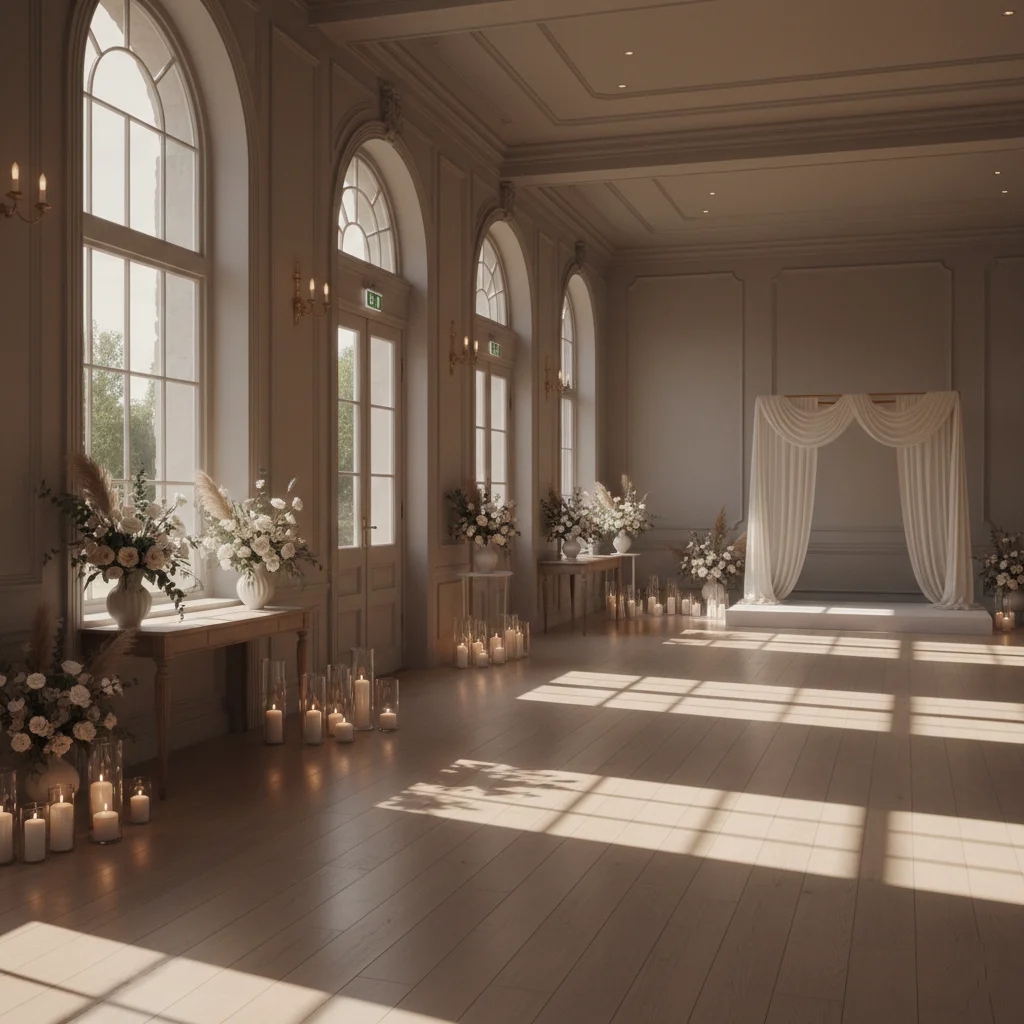
An effective venue tour gathers the information you need to make a confident decision and identifies hidden complications before you sign a contract.
Ask about the flow of your wedding day: How do most couples use the space? Where does the ceremony happen if it’s in the same location as the reception? How long does the transition take? Some venues are optimized for back-to-back events, meaning your changeover from ceremony to reception might feel rushed. Others have a dedicated ceremony space separate from the reception area, which allows for guest cocktails and vendor setup during the transition. Understand whether the layout supports your vision.
Clarify setup and breakdown times: When can your vendors arrive? How much time do you have? Are there fees for going over that time? Some venues include generous setup windows; others charge by the hour once you exceed your allotted time. This matters enormously if you’re bringing a live band, extensive florals, or multiple vendors who need hours to execute.
Confirm what’s included in the rental fee: Does it include tables, chairs, linens, flatware, and glassware? Are there additional fees for items you assumed were included? Do you need to rent from their preferred vendor list, or can you bring in outside vendors? Hidden fees—for linens, service staff, setup charges, or vendor coordination—can quickly inflate your actual cost far beyond the quoted rental fee. Comparing venue inclusions side-by-side can make negotiations clearer and help you understand the true total cost of your celebration.
Side-by-side comparisons using tools that compare wedding and event venues in DC can make it easier to evaluate what each venue actually includes.
Ask about noise restrictions and timing: DC has strict noise ordinances. Residential-zone events must keep sound below 60 decibels during daytime and 55 decibels after 9 p.m.—roughly the sound level of soft conversation or mellow background music. If you’re planning a DJ-driven dance floor or live band, you must understand these limits upfront. Ask whether the venue has obtained sound permits or can provide guidance on working within noise regulations.
Understand parking and guest logistics: Is there on-site parking? If not, what’s the nearby parking situation? Can guests use valet? Are there metro stops within walking distance? For an out-of-town crowd, logistics matter. Ask about nearby hotels and whether the venue offers group rates or room blocks.
Ask about weather contingencies for outdoor elements: If you’re booking an outdoor ceremony or cocktail hour, ask about the rain plan. Does the venue provide a tent, or do you rent one separately? Is there an indoor backup space? What’s the cancellation or postponement policy if weather is severe? Couples often skip this question and regret it when a storm hits.
Request a detailed contract and references: Never agree to anything verbal. Ask for a written contract to review at home. Request references from couples who married there in the past year, and actually contact them. Ask those couples what surprised them—both positively and negatively.
How Do Contracts, Deposits, and Cancellation Policies Work for DC Wedding Venues?
The contract is your protection. Understanding its terms before you sign is essential.
Deposits typically range from 25 to 50 percent of the rental fee to hold your date. This deposit secures your booking and is usually non-refundable if you cancel after a grace period (commonly 15 days). Read the specific terms: some venues refund the deposit minus an administrative fee if they rebook your date to another couple. Others keep it regardless.
Payment schedules usually follow a standard pattern: deposit due at signing, a second payment due 30 to 60 days before the wedding, and final payment due a week or two before the event. Confirm these dates in writing. Late payments can jeopardize your booking.
Cancellation and postponement policies are critical. What happens if you need to postpone due to illness, emergency, or personal circumstances? Most venues offer one free postponement if you reschedule within a certain window (often 12 months). If you cancel outright, deposit terms vary. Some venues have force majeure clauses that protect you if the venue itself becomes unusable due to circumstances beyond anyone’s control—this matters given weather, building issues, or other unforeseen events.
Couples booking hotel-based spaces may encounter different policies than standalone venues, which is why browsing hotel venues in Washington DC separately can help set clearer expectations.
Read the fine print on additional fees. Service charges, gratuities, overtime, setup fees, and linens costs should all be spelled out. If a vendor overstays their rental window by 30 minutes, what’s the penalty? Is there a fee for using your own cake-cutter instead of the venue’s? These seemingly minor charges compound.
Clarify what happens if the venue changes the space. For example, if you book a specific ballroom but the venue later double-books it, what’s your recourse? Ensure the contract specifies the exact room(s) you’re renting, ideally with photos attached.
Understand liability and insurance expectations. The venue will likely ask you to carry general liability insurance naming them as additionally insured. Some require specific coverage amounts. Clarify these requirements early rather than discovering them days before your wedding.
Can You Negotiate Pricing at Wedding Venues in Washington DC?
Yes, but with realistic expectations based on DC’s competitive market.
High-demand venues during peak season rarely negotiate on base rental rates. If a venue is fully booked for May and June, the manager has little incentive to discount. There’s always another couple willing to pay the asking price. However, off-season venues or those with slower booking calendars may have more flexibility.
Negotiation works better when you offer something in return. For example, you might ask about reduced catering minimums if you commit to using the venue’s in-house caterer. Or, you might negotiate a lower rental fee in exchange for a weekday or Sunday evening ceremony when the venue is typically less busy. Some couples successfully negotiate by offering referral incentives or agreeing to book multiple events (rehearsal dinner, day-after brunch) at the same location.
Weekday and off-season pricing offers real savings. Venues often have tiered pricing—Friday through Sunday peak rates are significantly higher than Monday through Thursday rates. Similarly, November through March rates are often 20 to 30 percent lower than peak season. If you have flexibility, this is your best leverage.
Negotiation strategies can vary significantly between premium spaces and luxury wedding venues in DC, where added value is often offered instead of discounted pricing.
Ask about package deals and add-ons. Rather than negotiating the venue rental itself, inquire whether the venue will include extra items—upgraded linens, additional hours, a welcome cocktail—if you book at their asking price. Sometimes venues would rather add value than cut price.
Do your homework before negotiating. Research comparable venues and their pricing. Couples often compare multiple wedding venues in Washington DC before narrowing down their shortlist, which strengthens their negotiation position. Understand what couples are paying for similar spaces in similar timeframes. This context makes your negotiation informed rather than wishful.
What Mistakes Do Couples Often Make When Booking Wedding Venues in DC?
Learning from others’ missteps can save you significant stress and money.
Booking without touring in person. Photos are stunning, but they don’t tell the full story. A ballroom might look spacious in professional photography but feel cramped when you’re actually standing in it. Ceiling height, natural light, proximity to bathrooms, and flow between spaces become apparent only in person. If you’re booking a destination venue, insist on a live video tour and detailed floor plans rather than relying on website images.
Failing to read the contract thoroughly. This is the most common and costliest mistake. Couples get excited, sign quickly, and later discover surprise fees, strict vendor policies, or unfavorable cancellation terms buried in the contract. Spend time reading every page. Ask questions about anything unclear. Consider having a lawyer review contracts for venues above a certain price threshold.
Not confirming what’s included. Couples often assume tables and chairs are included only to discover they’ll cost thousands extra to rent. Or they discover the venue’s catering is mandatory and restricted. Before signing, get an itemized list of exactly what the rental fee covers and what costs extra.
Overcommitting to a venue before you’re ready. Some couples fall in love with a space and book immediately, only to realize later the location doesn’t align with their guest list size, aesthetic, or actual budget. Take time. Tour multiple venues. Sleep on your decision. Your gut matters, but informed comparison matters more.
Boutique hotel venues, such as Viceroy Washington DC, often combine modern design with experienced on-site event coordination.
Ignoring the fine print on outside vendors. Some DC venues have strict rules: you must use their caterer, DJ, and florist, or they charge “outside vendor fees” of $300 to $500+ per vendor. If you have your heart set on a specific photographer or band, confirm the venue allows outside vendors before booking.
Overlooking noise ordinances and city regulations. DC’s noise restrictions are real. Venues that don’t advise you upfront about quiet hours (9 p.m. to 7 a.m.) or sound limits can catch you off-guard. If your reception involves dancing and amplified sound, the venue should guide you on permits and restrictions.
Not confirming exclusive use. Some venues host multiple events simultaneously or on the same day. If exclusivity matters to you—if you want sole access to the entire space—confirm this explicitly in the contract. Double-bookings have happened, and it’s a nightmare to navigate weeks before your wedding.
Booking based on a single tour. Visit during a similar time of day and season as your wedding will occur. Morning tours might obscure how a space feels at sunset. Winter tours won’t reveal how crowded the garden gets in spring. Tour during daytime if your wedding is daytime; revisit at night if it’s an evening event.
Summary: Key Takeaways for Booking a Wedding Venue in Washington DC
Booking a wedding venue in Washington DC requires balancing the city’s aesthetic appeal with its competitive market, regulatory environment, and high-demand seasons. Start early—ideally 12 to 18 months out for peak season—and establish your wedding fundamentals before you tour: guest count, budget, style, and priorities. Understand that May through October fills quickly, while November through March offers more flexibility and better pricing.
Tour venues in person, ask detailed questions about flow, logistics, and included services, and scrutinize contracts before signing. Know DC’s noise ordinances (9 p.m. to 7 a.m. quiet hours; strict sound limits in residential zones), and confirm the venue guides you on compliance.
Couples who take time to review multiple wedding venues in DC and understand venue-specific policies are far more likely to enjoy a smooth planning experience.
Negotiate thoughtfully—high-demand venues rarely budge on price, but off-season and weekday events offer leverage. Finally, avoid rushing: couples who take time to compare options, understand contracts fully, and tour multiple wedding venues in DC make more confident decisions and enjoy more stress-free planning.
Frequently Asked Questions
How early should you book wedding venues in Washington DC? ▾
Most couples should book wedding venues in Washington DC 12 to 18 months in advance, especially for peak wedding season between May and October. Popular venues and Saturday dates often book earlier, while off-season or weekday weddings offer more flexibility.
Are there noise restrictions at wedding venues in DC? ▾
Yes. Washington DC enforces strict noise ordinances, particularly in residential areas. Many venues must reduce amplified sound after 9:00 p.m. and comply with city decibel limits.
Can you bring outside vendors to wedding venues in Washington DC? ▾
This depends on the venue. Some wedding venues in DC require in-house catering and preferred vendors, while others allow outside vendors for an additional fee. Always confirm vendor policies before signing the contract.
What should be included in a wedding venue contract in Washington DC? ▾
A wedding venue contract should include rental duration, payment schedule, deposit amount, cancellation policies, noise restrictions, vendor requirements, and liability insurance expectations.
Are weekday or off-season weddings cheaper in Washington DC? ▾
Yes. Weekday weddings and off-season dates between November and March are typically cheaper and offer better availability at wedding venues in Washington DC.
Do wedding venues in DC require special permits? ▾
Some venues, especially outdoor or historic locations, may require permits or additional approvals. Couples should confirm who is responsible for permits and regulatory compliance.
How many venues should couples tour before making a decision? ▾
Most planners recommend touring three to five wedding venues in DC to confidently compare layouts, inclusions, and pricing.
What is the biggest mistake couples make when booking wedding venues in DC? ▾
The biggest mistake is rushing the decision without touring multiple venues or carefully reviewing contracts and policies.
Related Post




Search by Category

Contact Us
Please provide your contact information with event details. You will be contacted soon.
