How First-Time Planners Choose Event Venues in Washington DC (and the Mistakes to Avoid)
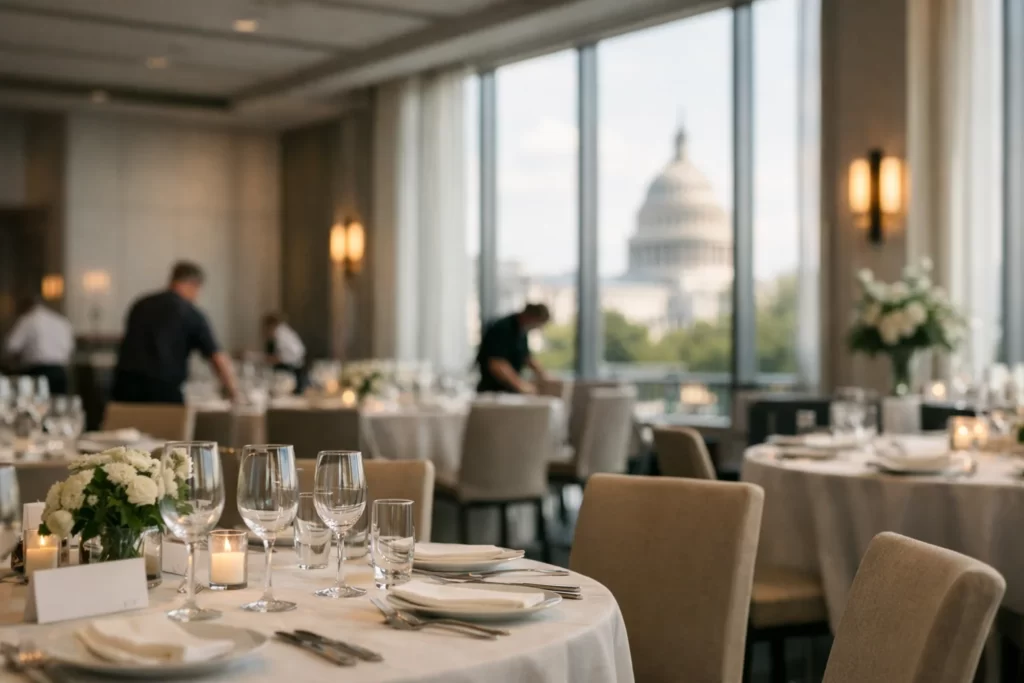
Choosing an event venue in Washington DC sounds straightforward—until it quietly becomes the most expensive and stressful decision in the entire planning process.
First-time couples and corporate planners often start by browsing event venues in DC based on what looks impressive or what’s available fastest. The real problems surface later: budgets balloon, guests complain, or last-minute restrictions appear that no one warned you about.
This guide explains how venue decisions actually go wrong in DC—and how to avoid the mistakes before they cost you time, money, or guest experience.
TL;DR: How to Choose the Right Event Venue in Washington DC
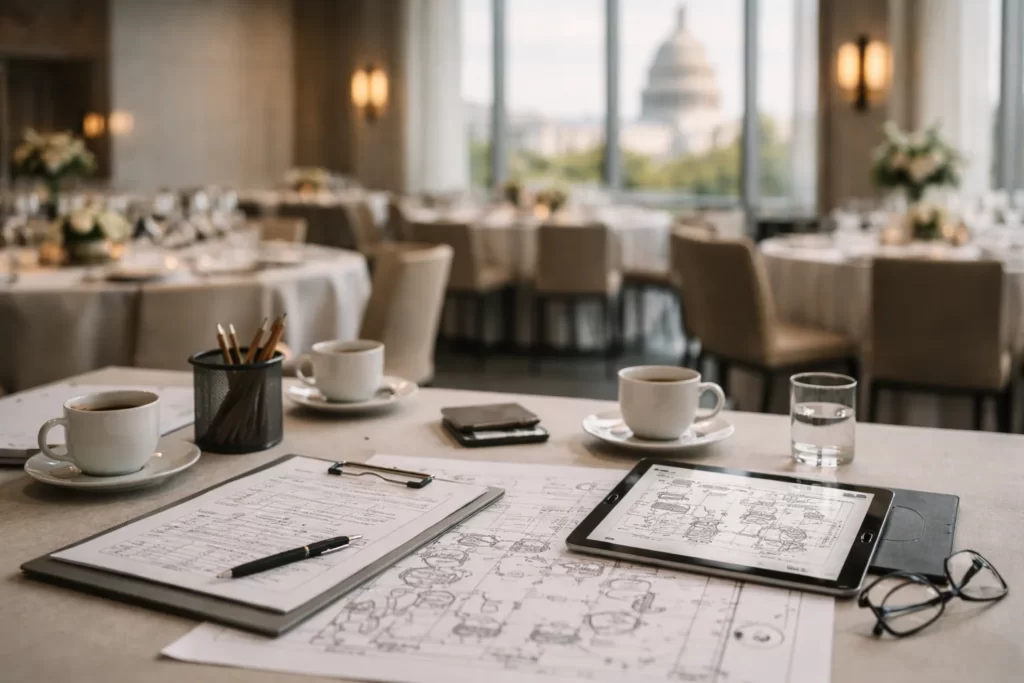
Most first-time planners don’t fail because of bad taste—they fail because of missing information.
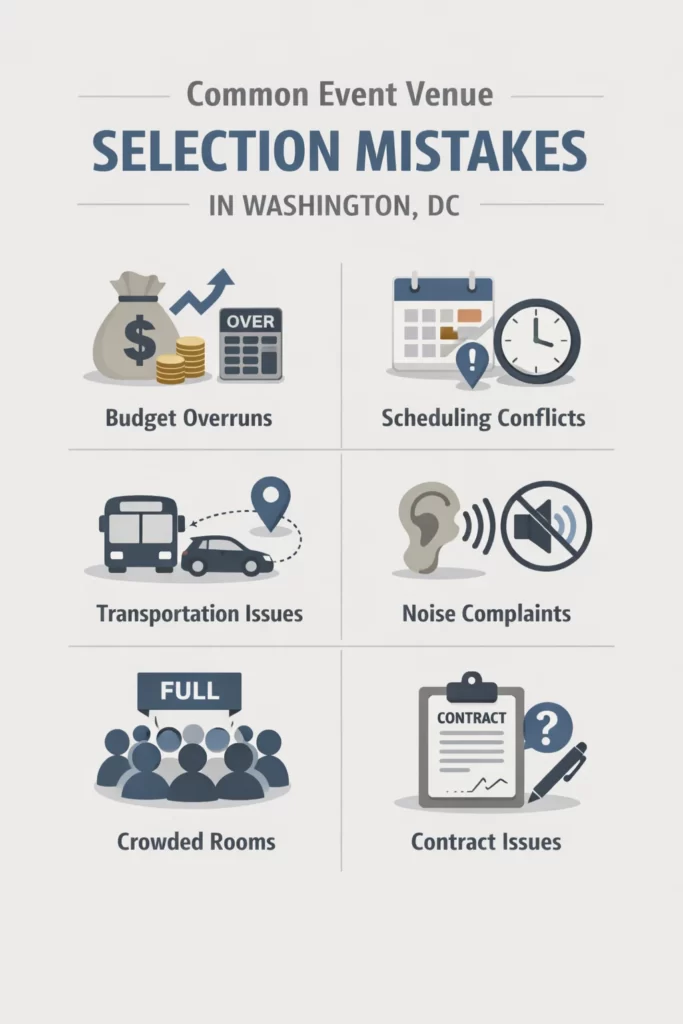
The biggest DC-specific mistakes include:
- Choosing a venue before defining the event’s purpose
- Treating the venue price as the full budget
- Booking too late in a competitive market
- Ignoring guest logistics and accessibility
- Misjudging layout, flow, and real capacity
- Overlooking DC noise rules and curfews
If you’re just starting your search, it helps to compare Washington DC event venues in one place so you can filter by size, type, and use case before falling in love with the wrong space.
What Goes Wrong When You Start With the Venue Instead of the Vision?
Many first-time planners jump straight into browsing wedding venues in Washington DC or corporate spaces without clearly defining what the event is meant to feel like.
Without clarity, couples tour venues that don’t fit their guest count or vibe, while corporate planners explore spaces that don’t support their agenda or format.
How to avoid it
Before reaching out to venues:
- Couples should define whether they’re looking for an intimate setting or browsing search results for wedding venues in Washington DC with a broader guest range in mind.
- Corporate planners should clarify whether they need meeting-focused spaces or larger business venues in Washington DC that allow branding, AV, and flexible layouts.
Why “Venue Price” Is Never the Real Cost in DC

First-time planners often assume the venue rental rate is the main expense. In reality, many corporate event venues in Washington DC and wedding venues require minimum spends, exclusive catering, and added service charges.
A space that appears affordable can quickly become one of the largest budget line items once food, labor, AV, and staffing are included.
Pro tip:
Comparing venues side by side inside a single event venue marketplace makes it easier to spot which options truly fit your budget.
How DC’s Booking Timelines Catch First-Time Planners Off Guard

DC is a high-demand market. Many couples browsing private party venues in Washington DC or wedding spaces wait too long, assuming availability will remain open.
In reality, popular dates disappear quickly—especially for spring and fall weekends.
If you’re unsure when to start, this guide on how early to book an event venue in Washington DC breaks down realistic timelines based on season and event type.
Why Guest Logistics Matter More Than the “Wow” Factor
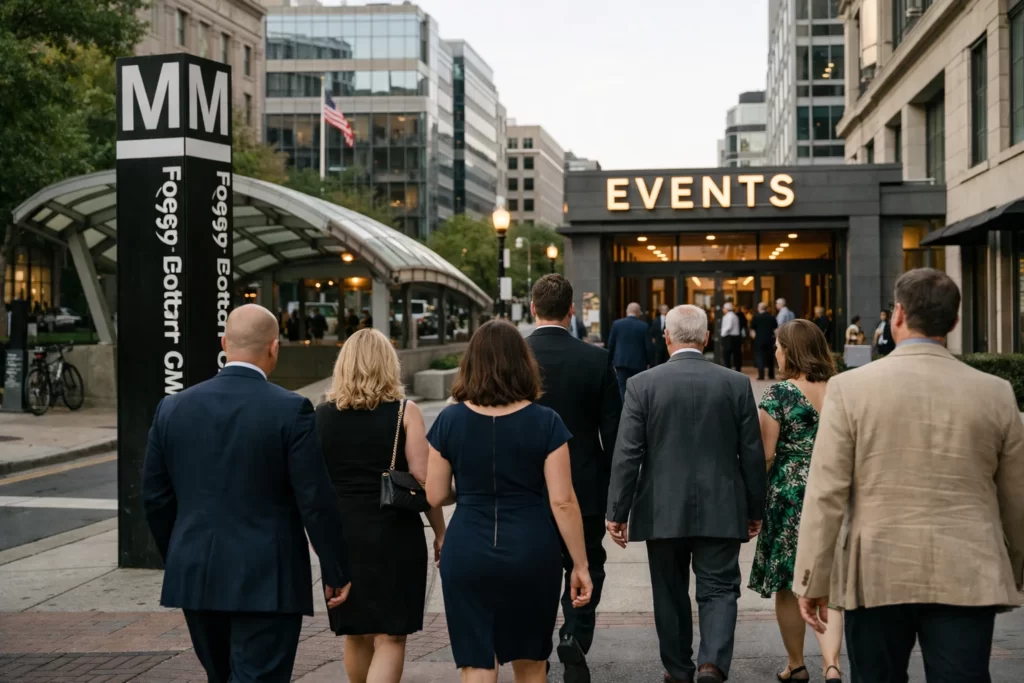
A venue can be beautiful and still create a poor guest experience if it’s hard to reach.
Planners choosing between indoor ballrooms, rooftops, or gardens should consider how weather and transportation affect guests. Comparing indoor vs outdoor event venues in Washington DC early helps avoid last-minute compromises.
For weddings with out-of-town guests, proximity to hotels and transit often matters more than dramatic views.
How Capacity and Layout Quietly Ruin Events
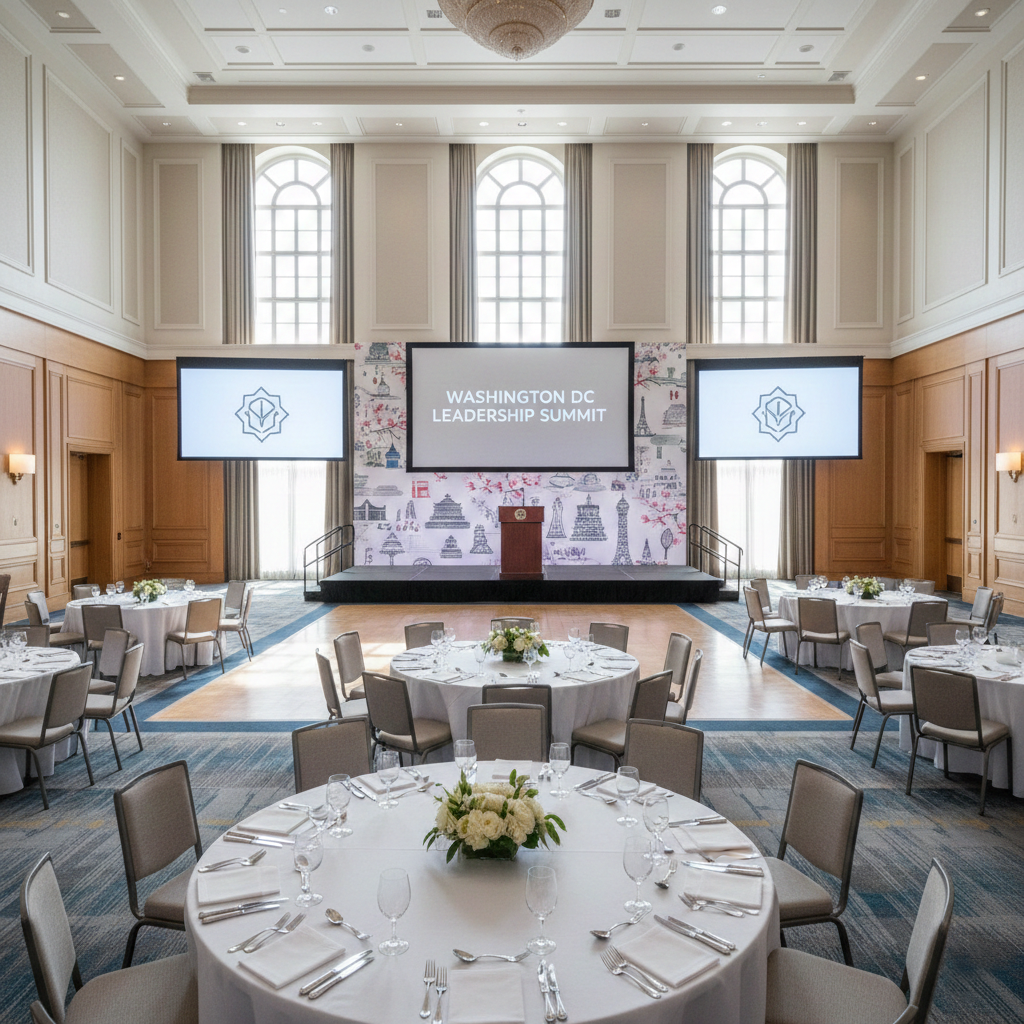
Couples planning intimate celebrations often book spaces designed for much larger events—or vice versa.
If you’re hosting a smaller guest list, choosing from small wedding venues in Washington DC can dramatically improve flow, atmosphere, and cost efficiency.
For corporate planners, layout flexibility matters just as much as square footage.
Why Contracts Matter More Than Tours

Many first-time planners focus on aesthetics and overlook contract terms until it’s too late.
This is especially risky for weddings. Understanding cancellation clauses, rescheduling policies, and deposit timelines is critical. If you’re planning a wedding, review this Washington DC wedding venue cancellation guide before signing anything.
Why Backup Plans Separate Smooth Events From Stressful Ones
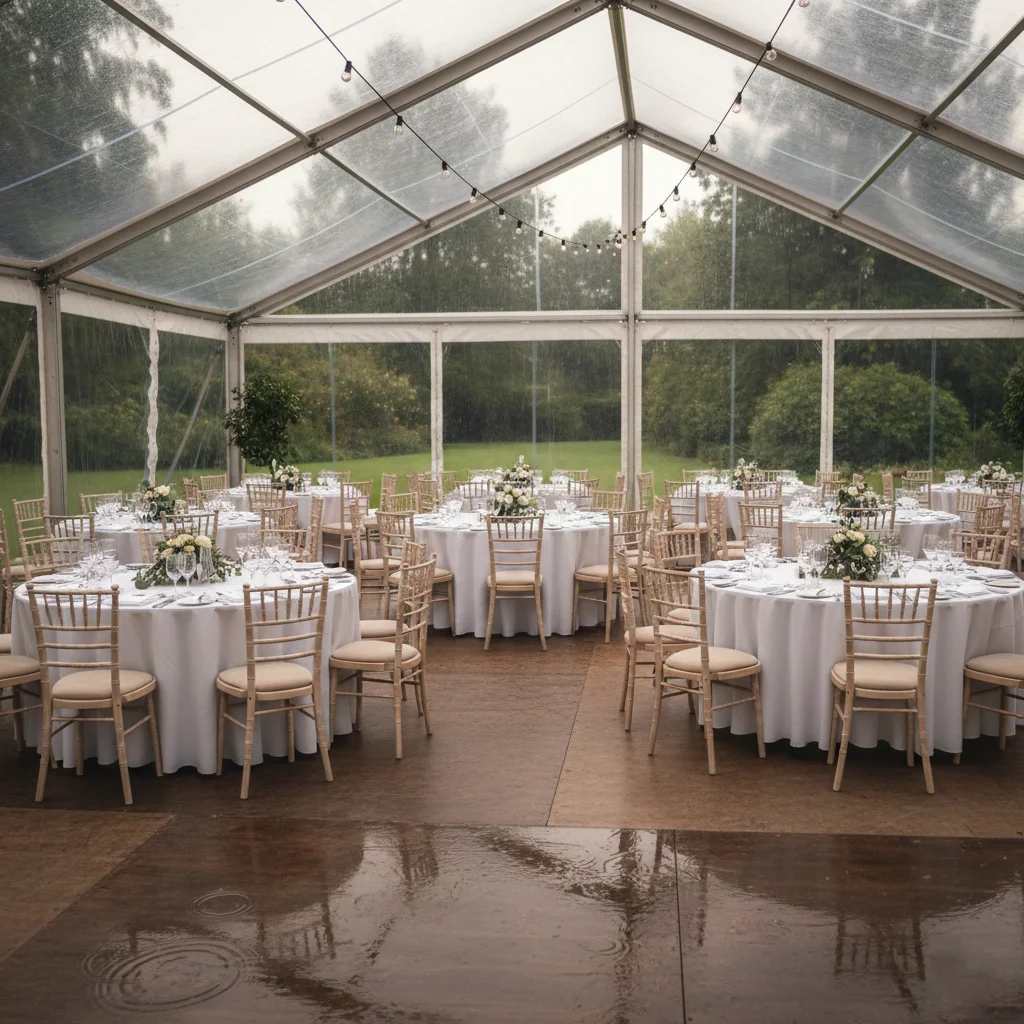
Weather delays, transportation issues, or last-minute guest changes happen more often than planners expect.
Using platforms like greatEvent allows planners to compare similar venues quickly if they need alternatives—especially when deciding between event venues in DC with flexible policies.
A Simple DC Venue-Selection Game Plan
- Define your event purpose and guest range
- Explore relevant Washington DC event venues
- Narrow down by event type (wedding, corporate, private party)
- Compare total cost—not just venue price
- Confirm logistics, noise rules, and layout
- Review contracts and cancellation terms
- Book with a realistic backup plan
Why greatEvent Makes Venue Selection Easier
First-time planners don’t struggle because they lack taste—they struggle because venue information is scattered.
greatEvent brings together:
- Wedding, corporate, and private party venues
- Transparent filters for size, use case, and availability
- Search tools that help planners move faster and smarter
The right venue choice starts with better information—and fewer surprises.
Frequently Asked Questions
How early should you book an event venue in Washington DC? ▾
For peak-season weddings and Saturday events, most venues should be booked 12–18 months in advance. Corporate weekday events typically need 6–9 months, while off-season or weekday events may allow more flexibility. High-demand periods like Cherry Blossom season and fall weekends book fastest.
What is the biggest mistake first-time planners make when choosing a venue? ▾
The most common mistake is choosing a venue before defining the event’s purpose, guest count, and budget range. This often leads to poor layout fit, unexpected costs, and compromises later in the planning process.
Is the venue rental price the total cost of the venue? ▾
No. In Washington DC, the rental fee is rarely the full cost. Most venues also require food and beverage minimums, service charges, taxes, AV fees, staffing, security, and potential overtime charges. Always compare venues using an estimated all-in cost.
Are wedding venues and corporate event venues priced differently in DC? ▾
Yes. Wedding venues often include catering minimums, décor restrictions, and longer event timelines, while corporate venues may charge more for AV, internet, branding, and labor. The pricing structure depends more on use case than room size.
How important is Metro access when choosing a DC event venue? ▾
Metro access is extremely important, especially for out-of-town guests and corporate events. Venues that are difficult to reach often cause late arrivals, higher transportation costs, and guest frustration—regardless of how beautiful the space is.
Should you choose an indoor or outdoor event venue in Washington DC? ▾
That depends on season and risk tolerance. Outdoor venues offer great ambiance but require strict backup plans due to weather and DC noise regulations. Indoor venues provide more predictability, especially for timelines, sound, and guest comfort.
Can you rely on venue photos when making a decision? ▾
Photos are helpful, but they don’t show lighting conditions, noise levels, layout flow, or neighborhood logistics. A site visit—or at least a live virtual tour—is strongly recommended before signing a venue contract.
What should you look for in a venue contract before signing? ▾
Key items to review include cancellation policies, required vendors, setup and breakdown hours, noise curfews, overtime fees, and décor restrictions. In DC, many critical limitations are outlined only in the contract fine print.
How can first-time planners compare event venues more efficiently? ▾
Using a centralized platform like greatEvent allows planners to compare venues by event type, size, location, and use case—reducing time spent on unsuitable options and helping avoid costly surprises later.
Related Post




Search by Category

Contact Us
Please provide your contact information with event details. You will be contacted soon.

Thank You for your submission