How to Host a Corporate 5K: The Complete Planning Guide for 2026
TL;DR
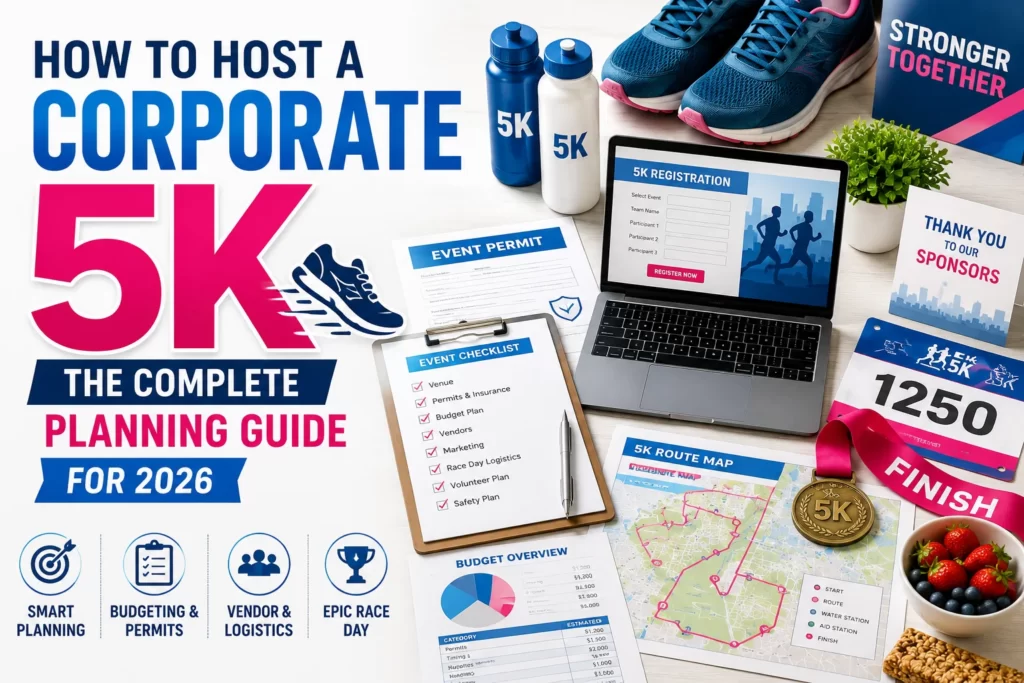
Hosting a successful corporate 5K requires more than picking a running route. Start by defining clear goals, selecting a venue that matches your event size, securing permits and insurance early, building a realistic budget, and coordinating trusted vendors. With thoughtful planning, strong logistics, and a focus on participant experience, your corporate 5K can become a memorable event that promotes employee wellness, strengthens company culture, and supports community engagement.
How to Host a Corporate 5K starts with clear goals, the right venue, early permit planning, and detailed logistics. Successful events balance participant experience, safety, budgeting, and vendor coordination while creating meaningful employee engagement. This guide walks you through venue selection, permits, race-day operations, budgeting, timelines, and practical planning tips to help you organize a memorable and well-executed corporate 5K.
How to Host a Corporate 5K: A Step-by-Step Guide
Imagine arriving at work on a crisp Saturday morning. Instead of heading into a conference room, hundreds of employees gather beneath a branded start arch, colleagues cheer each other on, local vendors prepare refreshments, and families line the finish area with handmade signs. Conversations replace emails, high-fives replace handshakes, and your company culture comes alive in a way that no boardroom meeting ever could.
That is the power of a well-planned corporate 5K.
Over the past decade, corporate wellness initiatives have evolved far beyond gym reimbursements and occasional fitness challenges. Companies now invest in experiences that encourage teamwork, improve employee well-being, strengthen employer branding, and support charitable causes. A corporate 5K accomplishes all of these goals while creating memorable moments that employees genuinely enjoy. Organizations looking for inspiration for future celebrations often explore greatEvent to discover venues and trusted event professionals for corporate gatherings of every size.
However, organizing a successful race isn’t as simple as selecting a route and inviting participants. Every decision—from choosing the right venue and applying for permits to coordinating volunteers and preparing emergency plans—plays an important role in the event’s success. Small oversights can quickly turn into logistical headaches, while thoughtful planning creates an experience that participants remember for years.
Whether you’re an HR manager organizing your first wellness initiative, an event coordinator planning a charity fundraiser, or a business leader looking to strengthen company culture, this guide will help you understand how to host a corporate 5K from start to finish.
If your organization regularly plans professional events, understanding event planner fees can also help you decide whether to manage the event internally or partner with experienced professionals who can simplify logistics and vendor coordination.
Why Host a Corporate 5K?
A corporate 5K delivers benefits that extend well beyond race day. While participants enjoy a fun and active experience, organizations gain measurable improvements in employee engagement, brand visibility, and workplace morale.
Unlike traditional networking events or company dinners, a 5K encourages authentic interactions. Employees from different departments naturally connect while training together, volunteering, or celebrating at the finish line. These shared experiences help strengthen workplace relationships and foster a greater sense of belonging.
For companies focused on employee wellness, a corporate 5K can become the centerpiece of a broader health initiative. Encouraging physical activity, friendly competition, and team participation demonstrates a genuine investment in employee well-being rather than simply promoting wellness through internal communications.
Corporate races also provide excellent opportunities to support nonprofit organizations. Many businesses choose to dedicate registration proceeds or sponsorship contributions to local charities, creating meaningful community impact while enhancing corporate social responsibility efforts. Companies that regularly organize employee experiences often combine wellness initiatives with other corporate event planning strategies to keep teams engaged throughout the year.
From a marketing perspective, the event creates valuable opportunities for branding through race bibs, finish-line photography, sponsor booths, branded merchandise, and social media content generated by participants.
Common Objectives
Before planning begins, clearly define what success looks like.
Some organizations focus primarily on employee wellness.
Others prioritize community engagement or fundraising.
Many combine several objectives into one event.
Typical goals include:
- Improving employee health and wellness
- Encouraging cross-department collaboration
- Supporting charitable organizations
- Increasing employer brand awareness
- Celebrating company milestones
- Strengthening relationships with clients and partners
- Creating memorable team-building experiences
Clearly identifying your objectives early helps guide every decision that follows—from venue selection to budgeting and marketing.
If you’re deciding whether to manage the event internally or hire professionals, understanding event planner fees can help you determine which planning approach best fits your organization’s goals and budget.
Establish Success Metrics Before You Spend a Dollar
One of the biggest mistakes companies make is measuring success only by attendance.
Attendance matters.
But it doesn’t tell the whole story.
Instead, establish Key Performance Indicators (KPIs) before planning begins.
| Objective | Example KPI |
|---|---|
| Employee Wellness | 60% employee participation |
| Engagement | 90% satisfaction survey score |
| Charity Impact | $15,000 raised |
| Marketing | 250 social media posts using event hashtag |
| Budget | Remain within ±5% of planned budget |
| Community | 10 local sponsor partnerships |
Tracking these metrics helps demonstrate the event’s value to leadership while providing valuable insights for future events.
💡 Pro Tip: Create a simple post-event survey within 48 hours of the race. Feedback collected immediately after the event is often more accurate and actionable than surveys sent weeks later.
Step 1: Choose the Right Venue
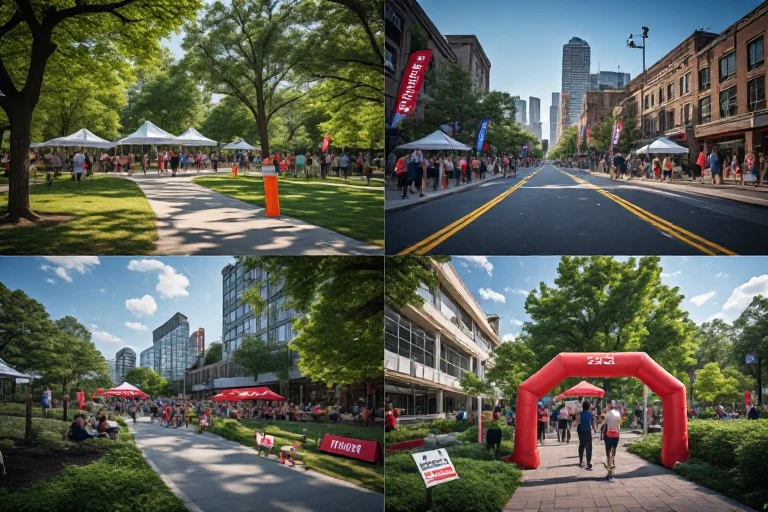
Selecting the right venue is one of the most important decisions you’ll make when learning how to host a corporate 5K. The venue influences everything from participant capacity and permit requirements to parking, sponsorship opportunities, race-day logistics, and the overall attendee experience.
A beautiful location may attract registrations, but if it lacks adequate parking, staging space, or emergency access, operational challenges can quickly overshadow the experience. Conversely, a practical venue with excellent infrastructure often creates a smoother event for participants, volunteers, and vendors alike.
Before comparing locations, estimate your expected attendance, spectator numbers, vendor requirements, and finish-line activities.
If your organization hosts multiple employee events throughout the year, comparing rental halls near me can help you identify flexible venues that work well for appreciation dinners, networking events, and indoor celebrations in addition to wellness initiatives.
These details will help determine the amount of space you’ll need beyond the running course itself.
The Four Most Common Venue Types
Each venue option offers unique advantages depending on your goals, budget, and logistical requirements.
| Venue Type | Best For | Advantages | Considerations |
|---|---|---|---|
| Public Parks | Community races, wellness events | Scenic, family-friendly, fewer traffic concerns | Park permits, limited parking, trail restrictions |
| City Streets | Large public events | High visibility, iconic routes, sponsor exposure | Road closures, police support, extensive permits |
| Corporate Campuses | Employee-only events | Greater control, familiar environment, existing facilities | Limited course variety, restricted public access |
| Private Venues | Premium branded experiences | Flexible layouts, exclusive use, simplified logistics | Rental costs, capacity limitations |
Choosing the right venue isn’t just about where participants run—it’s about creating an experience that aligns with your event’s objectives while supporting safe and efficient operations.
Step 2: Evaluate Your Venue Like an Event Professional
After narrowing down your venue options, it’s time to evaluate each location beyond aesthetics. A venue that looks perfect in photos may create significant operational challenges on event day if it lacks essential infrastructure or accessibility.
Professional event planners assess venues based on logistics first and appearance second. Organizations comparing in-house planning with outsourced support should also review event planning price packages before selecting vendors, as pricing structures can vary depending on the services included.
Taking the same approach helps reduce risk, improve participant satisfaction, and simplify race-day management.
Venue Evaluation Checklist
Before signing any agreements, ask yourself the following questions:
| Evaluation Area | Questions to Consider |
|---|---|
| Capacity | Can the venue comfortably accommodate runners, spectators, vendors, and volunteers? |
| Parking | Is there enough parking, or will shuttle transportation be required? |
| Accessibility | Are parking areas, restrooms, and pathways ADA compliant? |
| Utilities | Are electrical connections and water access available? |
| Restrooms | Are permanent facilities available, or will portable restrooms be needed? |
| Start & Finish Area | Is there enough space for registration, sponsor booths, food vendors, and awards? |
| Emergency Access | Can ambulances and emergency vehicles access the course quickly? |
| Noise Restrictions | Are there restrictions on music or announcements? |
| Weather Protection | Is there adequate shelter in case of rain or excessive heat? |
A thorough venue inspection often reveals issues that aren’t visible during an online search or virtual tour. Walking the course at the same time of day as your planned event can also help identify traffic patterns, lighting conditions, and potential bottlenecks.
💡 Insider Tip: Visit your shortlisted venues on a weekend morning. This gives you a more realistic understanding of parking availability, pedestrian traffic, and nearby community activity.
Step 3: Secure Permits and Understand Legal Requirements

One of the most overlooked aspects of hosting a corporate 5K is the permitting process. Regardless of how well your event is planned, failing to obtain the appropriate approvals can delay or even cancel the race.
Permit requirements vary by city, county, and venue type, so it’s important to begin researching local regulations as early as possible. Public roads, parks, and large gatherings often require multiple approvals from different authorities.
In general, you should begin the permitting process three to six months before your event. Larger cities or high-profile locations may require even more lead time.
Common Permits You May Need
Depending on your event location, you may need one or more of the following:
- Special Event Permit
- Park Reservation Permit
- Road Closure Permit
- Traffic Control Approval
- Temporary Signage Permit
- Amplified Sound Permit
- Food Vendor Permit
- Temporary Structure Permit (for tents or stages)
- Health Department Approval (if serving food)
- Alcohol Permit (if applicable)
Each permit may have different processing times and documentation requirements, so maintaining a permit checklist is essential.
Permit Lead Time by Venue Type
| Venue | Typical Approval Time | Difficulty |
|---|---|---|
| Corporate Campus | 2–4 Weeks | Low |
| Private Venue | 2–6 Weeks | Low–Medium |
| Public Park | 1–2 Months | Medium |
| Downtown Streets | 2–6 Months | High |
If your course includes public roads, expect additional coordination with local transportation departments, law enforcement, and emergency services.
Businesses organizing larger public events often compare private event planning services to ensure permitting, logistics, and vendor coordination are handled efficiently from the outset.
Don’t Forget Liability Insurance
Insurance isn’t just a recommendation—it’s often a mandatory requirement for obtaining event permits.
Most municipalities require organizers to carry general liability insurance and list the city or property owner as an additional insured party. Coverage requirements vary, but policies commonly provide at least $1 million in liability protection.
In addition to general liability coverage, consider:
- Participant accident insurance
- Volunteer insurance
- Equipment coverage
- Weather cancellation protection
- Vendor insurance verification
Collecting signed participant waivers during registration also helps reduce legal risk. Digital waiver systems integrated into online registration platforms make this process straightforward while maintaining organized records.
Build a Safety Plan Before You Need One
Participants rarely notice a well-executed safety plan—but they’ll immediately notice when one is missing.
Your safety strategy should be developed alongside your event logistics rather than as an afterthought. Every member of your organizing committee should understand emergency procedures, communication protocols, and escalation processes.
Your Safety Plan Should Include
- Emergency contact list
- Medical response procedures
- Ambulance access routes
- Lost child protocol
- Severe weather plan
- Evacuation procedures
- Volunteer communication plan
- Incident reporting forms
If your event attracts several hundred participants, consider establishing a dedicated command center where race officials, medical personnel, and volunteers can coordinate operations throughout the day.
💡 Pro Tip: Hold a short pre-event briefing with volunteers, vendors, and key staff before participants arrive. Reviewing emergency procedures together helps everyone respond confidently if unexpected situations arise.
Accessibility Should Never Be an Afterthought
An outstanding corporate 5K welcomes participants of all abilities.
When evaluating venues and planning logistics, ensure that everyone—including participants, spectators, volunteers, and vendors—can comfortably access the event.
Consider:
- Accessible parking spaces
- Wheelchair-friendly routes
- ADA-compliant restrooms
- Accessible registration areas
- Viewing spaces for spectators with mobility needs
- Clear directional signage
- Accessible hydration stations
Accessibility isn’t simply about meeting legal requirements—it’s about creating an inclusive event experience that reflects your organization’s values.
Plan Your Course With the Participant Experience in Mind
The running course is the centerpiece of your event, but participants remember far more than the route itself.
They’ll remember:
- Was registration easy?
- Were signs clear?
- Was there enough water?
- Did volunteers encourage runners?
- Was the finish line exciting?
- Were results communicated quickly?
These moments shape the overall perception of your event just as much as the course design.
Clear participant communication is equally important. Understanding RSVP meaning and following proper invitation etiquette can improve attendance forecasting and help organizers prepare more accurate race-day logistics.
When mapping your course, prioritize simplicity. Complex routes with multiple intersections increase staffing requirements and raise the likelihood of participants taking wrong turns. Whenever possible, choose a route that minimizes confusion while showcasing attractive surroundings.
If your event includes families or first-time runners, a looped course through a park or corporate campus often creates a safer and more welcoming experience than a route requiring multiple street closures.
Step 4: Build a Realistic Corporate 5K Budget

One of the quickest ways for an event to lose momentum is an unrealistic budget. Many first-time organizers underestimate costs by focusing only on obvious expenses such as venue rental and race shirts while overlooking permits, insurance, portable restrooms, traffic management, medical support, and contingency funds.
A successful corporate 5K budget isn’t about spending the most money—it’s about investing in the areas that have the biggest impact on participant experience and operational safety.
Start by separating expenses into three categories:
- Essential Costs – Items required for the event to operate safely.
- Experience Enhancements – Features that improve participant satisfaction.
- Optional Upgrades – Nice-to-have additions if the budget allows.
This approach makes it easier to reduce costs later without affecting the core event.
Sample Budget Breakdown (300 Participants)
| Category | Estimated Cost |
|---|---|
| Venue Rental / Park Fees | $300–$2,500 |
| Event Permits | $200–$1,000 |
| Liability Insurance | $300–$800 |
| Race Timing Services | $800–$2,000 |
| Participant Bibs | $150–$400 |
| Race Shirts | $2,000–$4,000 |
| Medals & Awards | $600–$1,500 |
| Portable Restrooms | $500–$1,200 |
| Water & Hydration | $500–$1,000 |
| Finish Line Snacks | $400–$1,200 |
| Barricades & Signage | $700–$2,000 |
| Medical Team | $600–$2,000 |
| Photography | $800–$2,500 |
| Marketing | $500–$2,000 |
| Contingency (10%) | Varies |
Estimated Total: $9,000–$25,000+
The final budget depends on your location, participant count, and whether vendors or sponsors provide in-kind support.
If you’re comparing the cost of managing the event internally versus hiring professionals, reviewing event planning price packages beforehand can help you understand what’s typically included and avoid unexpected planning expenses.
Budget Smarter—Not Smaller
Rather than trying to reduce every expense, focus on the elements participants actually notice.
Invest in:
- Professional race timing
- Clear signage
- Plenty of hydration
- Friendly volunteers
- Comfortable rest areas
- High-quality race shirts
- Great photography
Participants rarely remember whether you saved $200 on barricades, but they will remember waiting in long registration lines or running out of water halfway through the course.
One of the best ways to control costs is by selecting the right venue early. Comparing how much do venues charge for concerts or other large-scale events can provide a useful benchmark when evaluating rental costs for outdoor corporate gatherings.
💡 Pro Tip: Allocate at least 10–15% of your total budget as a contingency fund. Unexpected expenses are common, from last-minute equipment rentals to weather-related adjustments.
Step 5: Secure Sponsors That Add Value
Corporate sponsorships can significantly reduce event costs while enhancing the overall participant experience.
The most successful sponsorships aren’t just financial—they provide products, services, or experiences that improve race day.
Consider approaching:
- Local hospitals
- Fitness centers
- Running stores
- Health insurance companies
- Banks
- Restaurants
- Grocery chains
- Sports apparel brands
- Beverage companies
- Technology companies
Offer multiple sponsorship tiers so businesses of different sizes can participate.
If your company plans an awards ceremony or networking reception after the race, researching how much to rent a hall for party events can help you budget for an indoor celebration without overspending.
Example Sponsorship Levels
| Tier | Investment | Benefits |
|---|---|---|
| Title Sponsor | $10,000+ | Event naming rights, logo on shirts, start arch branding, speaking opportunity |
| Gold Sponsor | $5,000 | Booth space, website logo, medals sponsor |
| Silver Sponsor | $2,500 | Banner placement, social media mentions |
| Community Sponsor | $500 | Vendor booth, logo on printed materials |
Rather than selling sponsorships, present them as opportunities to support employee wellness and community engagement.
Step 6: Choose Vendors That Can Handle Live Events
Your vendors become an extension of your organizing team.
Experience matters.
A photographer who specializes in weddings may not be prepared to capture runners crossing a finish line. Likewise, a catering company accustomed to indoor banquets may struggle with outdoor hydration stations.
When selecting vendors, prioritize experience with outdoor sporting or corporate events.
Essential Vendors
- Race Timing Company
- Tent Rental Provider
- Portable Restroom Supplier
- Barricade & Traffic Equipment Company
- Audio & PA System Provider
- Photographer
- Videographer
- First Aid / EMS Team
- Food Vendors
- Waste Management Company
- Security Personnel
Always request references and confirm backup plans for weather, staffing shortages, or equipment failures.
If you’re evaluating whether to coordinate vendors yourself or hire an experienced planner, understanding how much do event planners charge can help you determine which approach offers the best value for your event.
Don’t Underestimate the Power of Great Photography
Long after the finish line is packed away, your event lives on through photos and videos.
Professional event photography helps:
- Celebrate employee achievements
- Support employer branding
- Attract future participants
- Showcase sponsors
- Generate social media engagement
- Create marketing assets for future wellness initiatives
Investing in quality visual content often provides value long after race day.
High-quality photos also make it easier to promote future wellness initiatives, celebrate employee achievements, and encourage greater participation in upcoming company events.
Step 7: Registration Should Be Fast and Frictionless
Nothing discourages participants faster than a confusing registration process.
Choose an online platform that allows participants to:
- Register in minutes
- Sign digital waivers
- Purchase merchandise
- Make charitable donations
- Join company teams
- Receive automated confirmations
- Access race updates
Collect only the information you truly need. Long forms increase abandonment rates.
Providing clear invitations and timely reminders is just as important as collecting registrations. Understanding RSVP meaning helps organizers communicate expectations clearly while improving attendance forecasting and race-day planning
For larger organizations, consider offering department challenges, team leaderboards, or fundraising competitions to encourage participation before race day.
Make Packet Pickup Part of the Experience
Instead of treating packet pickup as an administrative task, transform it into the beginning of the event experience.
Offer:
- Sponsor activations
- Music
- Product samples
- Wellness screenings
- Photo opportunities
- Branded merchandise
- Networking spaces
A positive packet pickup experience reduces race-day congestion while building excitement before the starting horn sounds.
Digital invitation platforms like gE Invite can also simplify packet pickup reminders, schedule updates, parking instructions, and last-minute event announcements, ensuring participants stay informed before race day.
If your company frequently organizes celebrations in addition to wellness events, understanding how much do event planners charge can help you compare internal planning costs with professional event management services.
Organizations evaluating venues for future celebrations may also find it useful to compare rental halls near me or explore renting a place for a party when planning employee appreciation events, holiday gatherings, or award ceremonies. These comparisons can simplify budgeting and help identify flexible spaces that support a variety of corporate functions.
Volunteer Management Is Your Secret Weapon
Even with outstanding vendors, your volunteers shape the participant experience more than anyone else.
Friendly volunteers create energy.
Confused volunteers create chaos.
Recruit volunteers early and assign clear responsibilities.
Recommended Volunteer Roles
| Role | Responsibilities |
|---|---|
| Registration Team | Check-in, packet distribution |
| Course Marshals | Direct participants, report hazards |
| Aid Station Crew | Water, snacks, encouragement |
| Parking Team | Direct vehicle traffic |
| Finish Line Crew | Medals, refreshments, recovery area |
| Setup Team | Tents, banners, equipment |
| Cleanup Team | Waste removal, venue restoration |
Provide every volunteer with:
- Schedule
- Contact information
- Site map
- Emergency procedures
- Assigned supervisor
- Event T-shirt or badge
- Food and water
Volunteers who feel prepared create a smoother experience for everyone involved.
Step 8: Master Race-Day Logistics
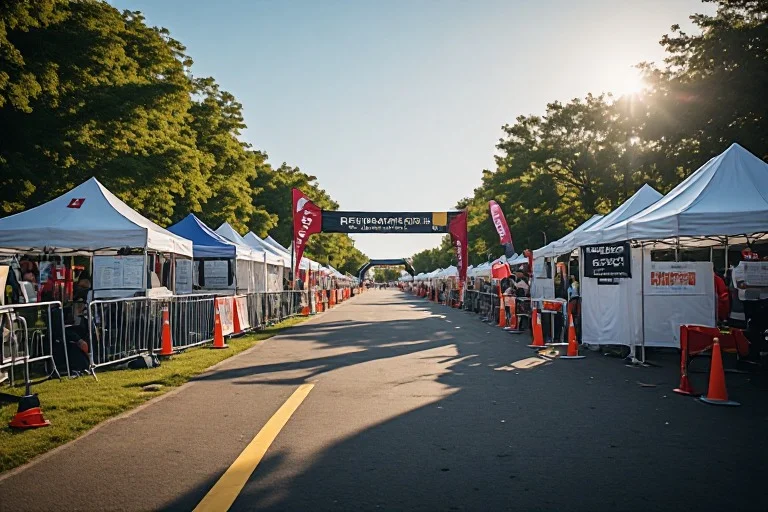
Months of planning ultimately come down to a few critical hours on race day. While participants see a smooth, enjoyable event, organizers know that success depends on countless moving parts working together behind the scenes.
Think of race day as a carefully choreographed production. Registration, volunteer coordination, medical support, hydration stations, timing systems, and finish-line celebrations must all operate seamlessly. A detailed operational plan helps your team stay focused even when unexpected challenges arise.
The key is to create systems rather than relying on last-minute decisions.
Build a Race-Day Operations Timeline
Every team member should know where they need to be and what they should be doing at every stage of the event.
| Time | Activity | Responsible Team |
|---|---|---|
| 5:30 AM | Venue access and equipment delivery | Operations Team |
| 6:00 AM | Registration setup | Registration Volunteers |
| 6:30 AM | Vendor arrival and setup | Vendor Coordinator |
| 7:00 AM | Course inspection | Course Manager |
| 7:15 AM | Medical briefing | EMS Team |
| 7:30 AM | Volunteer briefing | Volunteer Coordinator |
| 8:00 AM | Registration opens | Check-in Team |
| 8:45 AM | Opening announcements | Event Host |
| 9:00 AM | Race begins | Race Director |
| 10:00 AM | First finishers arrive | Finish Line Team |
| 10:45 AM | Awards ceremony | Event Host |
| 11:30 AM | Cleanup begins | Operations Team |
Having a minute-by-minute schedule reduces confusion and helps volunteers respond confidently throughout the event.
💡 Pro Tip: Print multiple copies of the event timeline and distribute them to every team leader. Digital schedules are useful, but printed versions remain accessible even if mobile service is unreliable.
Design a Finish Line Participants Will Remember
The finish line is often the emotional highlight of the entire event.
After completing the course, participants should immediately feel celebrated. A welcoming finish area reinforces the positive emotions associated with the event and encourages future participation.
Consider including:
- Branded finish arch
- Professional race announcer
- Music and entertainment
- Medal presentation area
- Recovery zone
- Photo backdrop
- Sponsor booths
- Healthy refreshments
- Seating for families and spectators
A thoughtfully designed finish area also creates valuable opportunities for photography, sponsor visibility, and employee recognition.
Hydration Isn’t Just About Water
Hydration stations are one of the most important operational elements of any 5K. Participants should never have to search for water or wait in long lines.
Best Practices for Hydration Stations
- Place water stations near the halfway point and at the finish line.
- Clearly mark each station with visible signage.
- Separate water and sports drinks to avoid confusion.
- Position waste bins immediately after the station to reduce litter.
- Ensure volunteers understand how to hand cups safely to runners.
- Keep backup supplies nearby to avoid running out during peak traffic.
If your event is held during warmer months, increase the number of hydration points and consider adding misting fans or cooling stations.
Medical Support Should Be Visible and Accessible
No organizer expects a medical emergency, but every organizer should prepare for one.
Depending on your participant count and venue, medical support may include:
- Certified first aid responders
- EMTs
- Ambulance services
- Automated External Defibrillators (AEDs)
- Medical tents
- Bicycle response teams for larger courses
Clearly identify medical stations on participant maps and include emergency contact information in pre-event communications.
Before race day, conduct a walkthrough with medical personnel to review access routes, evacuation procedures, and communication protocols.
Traffic Management Matters More Than Most Organizers Expect
If your route includes public roads or shared pathways, traffic management becomes one of your highest priorities.
Coordinate with local authorities to determine where road closures, barricades, and crossing guards are required. Communicate detours to nearby residents and businesses well in advance to minimize disruptions.
Volunteers should never attempt to direct vehicle traffic unless specifically authorized and trained. Their role is to guide participants, report issues, and communicate with race officials.
Good traffic management protects participants while maintaining positive relationships with the surrounding community.
Weather Can Change Everything
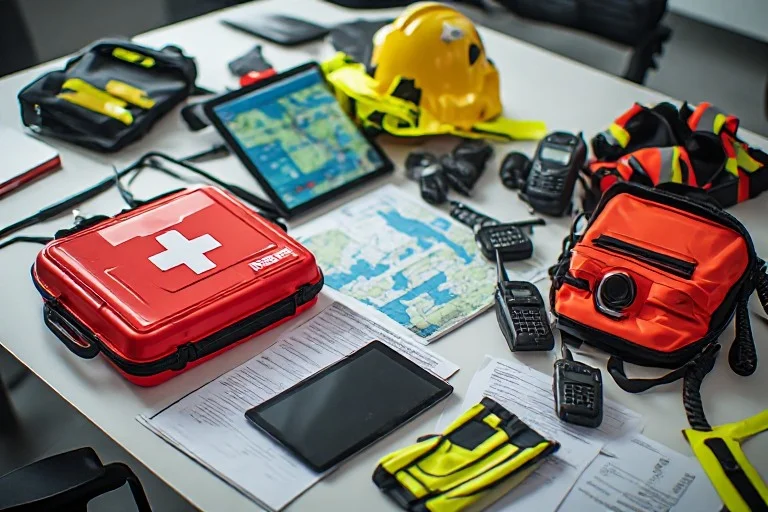
Even the most carefully planned event must remain flexible.
Develop contingency plans for:
- Heavy rain
- Extreme heat
- High winds
- Lightning
- Poor air quality
- Unexpected venue restrictions
Monitor weather forecasts regularly during the week leading up to the event and establish clear decision-making criteria for delays or cancellations.
Communicate weather policies to participants before race day so expectations are clear.
💡 Insider Tip: Identify an indoor backup location for registration, volunteer check-in, and awards whenever possible. Even if the race proceeds outdoors, sheltered gathering spaces improve the participant experience during unexpected weather changes.
Communication Keeps Everything Moving
Strong communication is one of the biggest differences between an average event and an exceptional one.
Create communication plans for:
Before the Event
- Registration confirmations
- Parking information
- Course maps
- Weather updates
- What to bring
- Frequently asked questions
During the Event
- PA announcements
- Volunteer radios
- Text messaging groups
- Emergency communication procedures
After the Event
- Results
- Photo galleries
- Sponsor acknowledgements
- Participant surveys
- Thank-you emails
Maintaining clear communication before, during, and after the race builds trust and encourages future participation.
Step 9: Build an Experience Participants Want to Repeat
People don’t remember every operational detail.
They remember how the event made them feel.
That emotional experience begins the moment they register and continues long after they cross the finish line.
Simple touches can make a lasting impression:
- Personalized welcome signage
- Department team photos
- Live music or DJ
- Local food trucks
- Interactive sponsor booths
- Family-friendly activities
- Kids’ fun run
- Recovery lounge
- Social media photo stations
These experiences transform a corporate 5K from a fitness activity into a memorable company tradition.
If your organization plans multiple employee celebrations throughout the year, exploring how much to rent a hall for party events or comparing how much do venues charge for concerts can help you build a more comprehensive annual event budget. Likewise, reviewing club house rental near me options may uncover flexible venues suitable for smaller wellness workshops, appreciation events, or post-race celebrations.
Organizations that coordinate invitations across multiple company events can also benefit from understanding RSVP meaning and using digital invitation platforms like gE Invite to simplify attendee management and improve response tracking.

6-Month Corporate 5K Planning Timeline
| Timeline | Key Activities |
|---|---|
| 6 Months Before | Define goals, establish budget, form planning committee, shortlist venues |
| 5 Months Before | Secure venue, begin permit applications, identify sponsors |
| 4 Months Before | Confirm vendors, launch registration website, announce event |
| 3 Months Before | Recruit volunteers, finalize course design, order shirts and medals |
| 2 Months Before | Review permits, confirm logistics, intensify marketing efforts |
| 1 Month Before | Conduct venue walkthrough, finalize participant numbers, confirm vendors |
| 2 Weeks Before | Volunteer training, packet preparation, emergency planning review |
| Race Week | Equipment checks, weather monitoring, final communications, course inspection |
Step 10: Create an Event-Day Master Checklist
By the time race day arrives, your planning should shift from decision-making to execution. A detailed checklist ensures every team member knows their responsibilities and reduces the risk of overlooked tasks.
Use this checklist as a final review during the week leading up to your event.
Pre-Event Checklist
Administration
- Finalize participant registration list
- Confirm signed digital waivers
- Print emergency contact information
- Verify permits and insurance certificates
- Confirm vendor contracts
- Review sponsorship agreements
Venue Preparation
- Walk the entire course
- Confirm start and finish layouts
- Inspect parking areas
- Test electrical connections
- Identify emergency access points
- Install directional signage
Equipment
- Registration tables
- Chairs
- Tents
- PA system
- Timing equipment
- Barricades
- Water stations
- Trash and recycling bins
- Finish line arch
- Award podium
Volunteer Coordination
- Assign final positions
- Share emergency contacts
- Provide event maps
- Review communication procedures
- Distribute identification badges
- Confirm arrival times
Medical & Safety
- First-aid kits
- AED availability
- Ambulance confirmation
- Ice and cooling supplies
- Emergency communication devices
- Incident report forms
Completing these tasks before participants arrive allows your team to focus on delivering an exceptional experience rather than solving preventable problems.
Step 11: Measure Success After the Finish Line
The race doesn’t end when the final participant crosses the finish line.
Some of the most valuable work happens afterward.
Conducting a structured post-event review helps identify successes, improve future events, and demonstrate return on investment to company leadership.
Post-Event Metrics
Measure performance using both quantitative and qualitative data.
| KPI | Measurement |
|---|---|
| Registration | Total registrations vs. target |
| Attendance | Actual participants |
| Employee Engagement | Participation by department |
| Satisfaction | Survey results |
| Fundraising | Dollars raised |
| Sponsorship | Sponsor retention and feedback |
| Marketing | Social media reach and engagement |
| Budget | Planned vs. actual spending |
Gather Meaningful Feedback
Send participant surveys within 24–48 hours while the event is still fresh in attendees’ minds.
Ask questions such as:
- How satisfied were you with the event?
- Was registration easy?
- How would you rate the venue?
- Were hydration stations adequate?
- What should we improve next year?
- Would you participate again?
Open-ended questions often provide insights that numerical ratings cannot.
Turn One Event Into an Annual Tradition
The most successful corporate 5Ks aren’t treated as one-time events—they become part of the organization’s culture.
Build excitement for future races by:
- Sharing professional photo galleries
- Publishing race results promptly
- Recognizing volunteers and sponsors
- Highlighting fundraising achievements
- Celebrating employee milestones
- Announcing next year’s event early
Consistency builds anticipation and encourages higher participation each year.
Common Mistakes to Avoid
Even experienced organizers encounter challenges. Recognizing common mistakes can help you avoid unnecessary stress.
Waiting Too Long to Apply for Permits
Permit processing often takes longer than expected, particularly for events involving public roads or parks.
Underestimating Volunteer Requirements
Too few volunteers create bottlenecks at registration, aid stations, and intersections.
Ignoring Weather Contingencies
Hope for ideal weather—but always prepare for alternatives.
Overcomplicating the Course
Simple, well-marked routes improve participant safety and reduce staffing requirements.
Cutting Costs in the Wrong Areas
Reducing investment in hydration, signage, medical support, or participant communication can negatively affect the overall experience.
Why the Right Venue Makes Everything Easier
No amount of planning can fully compensate for a venue that doesn’t support your event’s needs.
Look for venues that offer:
- Flexible outdoor space
- Convenient parking
- Accessible facilities
- Vendor-friendly layouts
- Easy participant flow
- Nearby accommodations for traveling guests
- Space for sponsor activations and post-race celebrations
If your organization hosts a variety of employee events throughout the year, comparing event venues in Washington DC or exploring unique wedding venues DC can also provide inspiration for versatile spaces that accommodate wellness events, galas, and corporate celebrations. For more intimate company gatherings or team celebrations, researching small party venues in DC may reveal flexible locations suitable for networking receptions or volunteer appreciation events.
Corporate 5K Planning Checklist
| Task | Status |
|---|---|
| Define event goals | ☐ |
| Set budget | ☐ |
| Form planning committee | ☐ |
| Secure venue | ☐ |
| Obtain permits | ☐ |
| Purchase insurance | ☐ |
| Confirm sponsors | ☐ |
| Book vendors | ☐ |
| Launch registration | ☐ |
| Recruit volunteers | ☐ |
| Order shirts and medals | ☐ |
| Finalize course | ☐ |
| Confirm medical support | ☐ |
| Prepare participant packets | ☐ |
| Conduct venue walkthrough | ☐ |
| Execute race day | ☐ |
| Collect feedback | ☐ |
| Review KPIs | ☐ |
If your race concludes with an indoor reception or recognition ceremony, researching renting a place for a party alongside your outdoor venue search can simplify planning and create a seamless attendee experience.
Conclusion
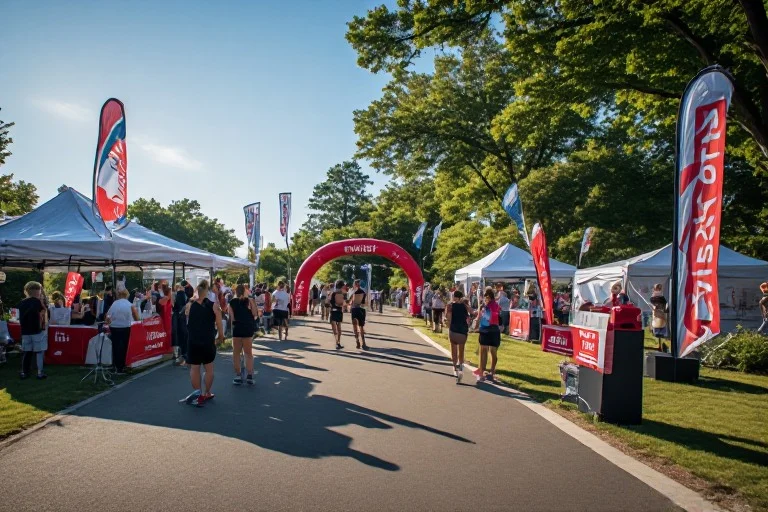
Learning how to host a Corporate 5K is about much more than organizing a race. It’s about creating an experience that brings people together, strengthens workplace culture, encourages healthier lifestyles, and leaves participants feeling proud of what they’ve accomplished.
The most memorable corporate events don’t happen because everything goes perfectly—they happen because organizers prepare thoroughly, adapt confidently, and keep the participant experience at the center of every decision.
From selecting the right venue and navigating permits to coordinating volunteers, managing vendors, and celebrating every finisher, each step contributes to an event that reflects your organization’s values and commitment to its people.
Whether you’re planning your first employee wellness initiative or expanding an established corporate event program, investing time in thoughtful preparation will pay dividends long after the finish line has been packed away.
Ready to Plan Your Corporate Event?
Every successful corporate event starts with the right location and trusted event partners.
Whether you’re organizing a corporate 5K, employee appreciation celebration, fundraiser, conference, or company milestone event, greatEvent helps you discover and compare venues and event professionals that fit your goals, budget, and vision.
Learn more about us, browse curated event spaces, and contact us when you’re ready to start planning your next corporate event with confidence.
Related Post









Search by Category

Contact Us
Please provide your contact information with event details. You will be contacted soon.

Thank You for your submission