TL;DR
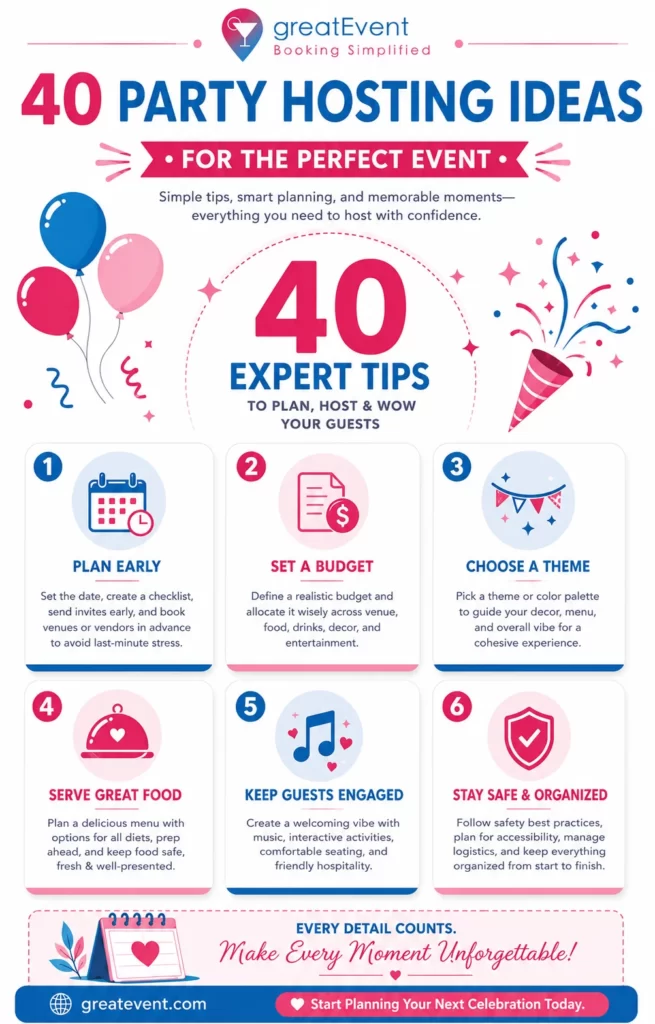
Great parties don’t happen by accident—they’re carefully planned. These 40 party hosting ideas cover every stage of hosting, from choosing the perfect venue and setting a budget to designing memorable guest experiences, organizing food, managing logistics, and wrapping up your event successfully. Whether you’re hosting a birthday, engagement party, family reunion, graduation celebration, or corporate gathering, these practical tips will help you create a stress-free event your guests will remember.
Introduction
Every unforgettable celebration begins long before the first guest walks through the door. Whether you’re organizing a milestone birthday, engagement party, holiday gathering, graduation, or casual backyard celebration, the difference between a stressful event and an enjoyable one often comes down to thoughtful preparation.
These Party Hosting Ideas combine practical planning strategies with creative inspiration to help hosts stay organized without losing the excitement of the occasion. Instead of scrambling during the final week, you’ll learn how to create a realistic timeline, manage your budget, design an inviting atmosphere, serve great food, and keep guests engaged from arrival to farewell.
If you’re considering hosting outside your home, comparing different rental halls near me can help you understand venue pricing before making a decision, especially when planning for larger guest lists.
Whether your celebration includes 15 guests or 150, this guide walks you through every important decision with actionable advice that saves both time and money.
Let’s begin with the planning stage—the foundation of every successful party.
Planning & Timeline
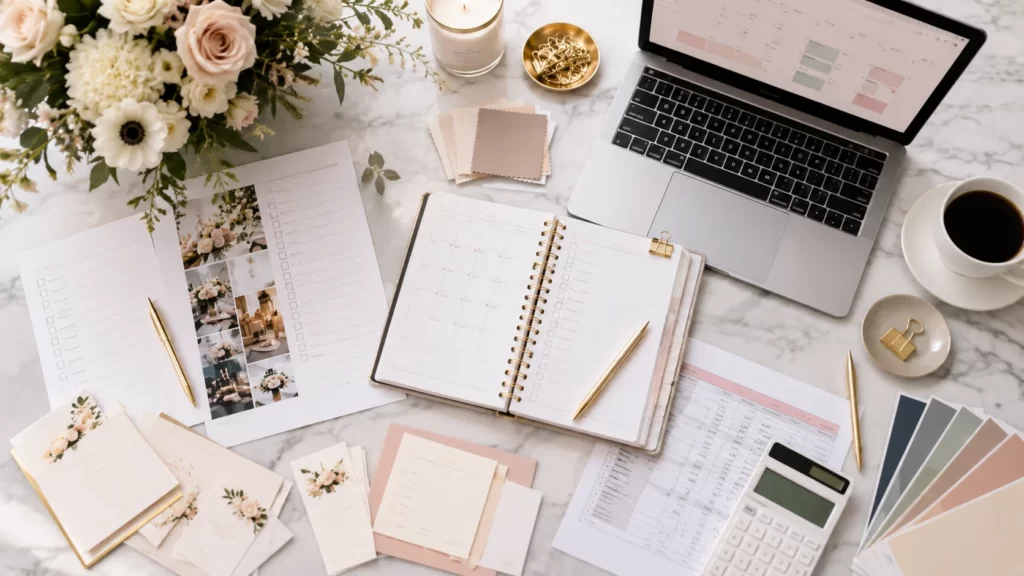
Great hosts know that preparation is what creates a relaxed atmosphere on event day. Starting early reduces last-minute expenses, scheduling conflicts, and unnecessary stress.
1. Choose the Date Early
Selecting the right date is one of the most important decisions you’ll make. Check major holidays, local festivals, sporting events, and school schedules before finalizing your plans.
For larger celebrations, creating a digital poll allows close friends and family to vote on preferred dates before invitations are sent.
Priority: Essential
Estimated Time: 30–60 minutes
2. Build a Realistic Budget
Your budget should guide every major decision instead of limiting them later.
A simple planning framework looks like this:
| Category | Suggested Budget |
|---|---|
| Food | 40% |
| Drinks | 20% |
| Decorations | 15% |
| Entertainment | 10% |
| Emergency Buffer | 15% |
If you’re comparing professional planning support, understanding how much do event planners charge can help determine whether hiring an expert fits within your overall event budget.
⭐ Pro Tip
Reserve at least 10–15% of your budget for unexpected expenses. Last-minute rentals, additional food, or weather-related changes happen more often than hosts expect.
3. Pick a Theme Before Shopping
A cohesive theme simplifies dozens of later decisions.
Examples include:
- Backyard BBQ
- Garden Brunch
- Hollywood Glam
- Tropical Luau
- Rustic Barn Dinner
- Black & White Cocktail Party
Once the theme is chosen, decorations, invitations, playlists, and even menu selections become much easier.
4. Create Your Guest List Early
Your guest count influences nearly every planning decision:
- Venue size
- Seating
- Food quantity
- Beverage orders
- Parking
- Budget
Instead of sending invitations individually, many hosts now use digital invitation platforms that simplify RSVP tracking.
If you’re unsure about invitation etiquette, understanding the RSVP meaning helps ensure guests know exactly when and how to respond.
5. Send Invitations 4–6 Weeks Ahead
For birthdays and casual gatherings, three to four weeks is usually enough.
For weddings, anniversaries, or larger celebrations, six weeks gives guests adequate notice.
Digital invitations also make it easier to send reminders without additional printing costs.
6. Track RSVPs Carefully
Waiting until the last week often leads to ordering too much—or too little.
Create a simple spreadsheet that includes:
- Guest names
- RSVP status
- Meal preferences
- Dietary restrictions
- Children attending
This list becomes your master planning document.
7. Delegate Responsibilities
Hosting doesn’t mean doing everything yourself.
Assign trusted friends or family members to handle:
- Photography
- Music
- Greeting guests
- Drink station
- Dessert table
- Cleanup
Delegating lets you spend more time enjoying your own event.
8. Book Vendors Early
Popular venues, photographers, DJs, caterers, and bakeries often fill their calendars months in advance.
If you’re searching for a celebration space, browsing event venues in Washington DC or researching unique wedding venues DC can provide inspiration for both private and formal events.
Booking early usually provides more choices and sometimes lower pricing.
9. Stay Organized with Checklists
Instead of relying on memory, create milestone deadlines.
Four Weeks Before
- Finalize guest list
- Send invitations
- Book vendors
Two Weeks Before
- Confirm RSVPs
- Finalize menu
- Purchase decorations
One Week Before
- Grocery shopping
- Deep cleaning
- Confirm vendor arrival times
One Day Before
- Decorate
- Prepare make-ahead food
- Set tables
Themes & Décor
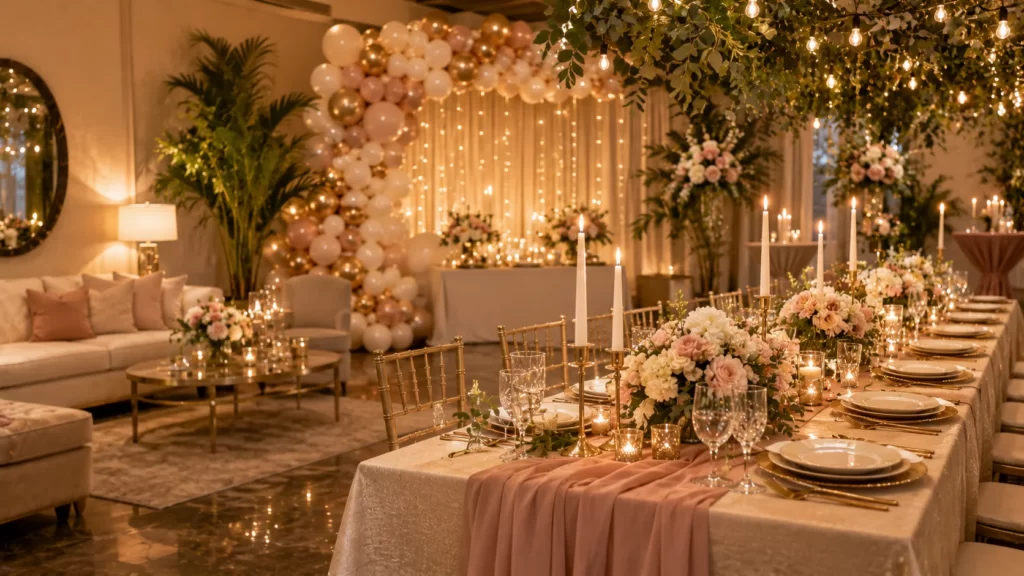
Decor isn’t about spending the most money—it’s about creating a memorable atmosphere.
10. Choose a Consistent Color Palette
Using three complementary colors creates visual harmony throughout the venue.
Examples:
- Navy + Gold + White
- Sage + Cream + Blush
- Black + Silver + Emerald
Matching napkins, balloons, flowers, and signage instantly elevate the space.
11. Invest in Reusable Decorations
Rather than purchasing disposable decorations for every event, consider items you can reuse throughout the year:
- LED string lights
- Neutral table runners
- Glass candle holders
- Artificial greenery
- Wooden serving boards
These investments often save money after only a few events.
12. Add Personal Details
Guests remember thoughtful touches more than expensive decorations.
Ideas include:
- Childhood photo displays
- Custom cocktail menus
- Personalized welcome signs
- Memory walls
- Family heirlooms
These details make celebrations feel unique rather than generic. They also create photo-worthy moments that inspire guests to share their favorite memories online with creative NYC captions.
⭐ Insider Tip
Create one “Instagram-worthy” photo area instead of decorating every corner. A beautifully styled backdrop often delivers a bigger visual impact while keeping costs under control.
13. Layer Lighting
Lighting completely changes the atmosphere.
Consider combining:
- Warm string lights
- Candles
- Lanterns
- Soft uplighting
- Table lamps
Avoid harsh overhead lighting whenever possible.
14. Use DIY Decorations Strategically
DIY works best when focused on a few statement pieces.
Popular ideas include:
- Balloon arches
- Floral centerpieces
- Welcome signs
- Photo booth backdrops
- Handmade table numbers
Trying to DIY everything often creates unnecessary stress. This approach is especially effective for small party venues in DC, where a few well-designed decorative elements can create a polished look without overwhelming the space.
Food & Drinks
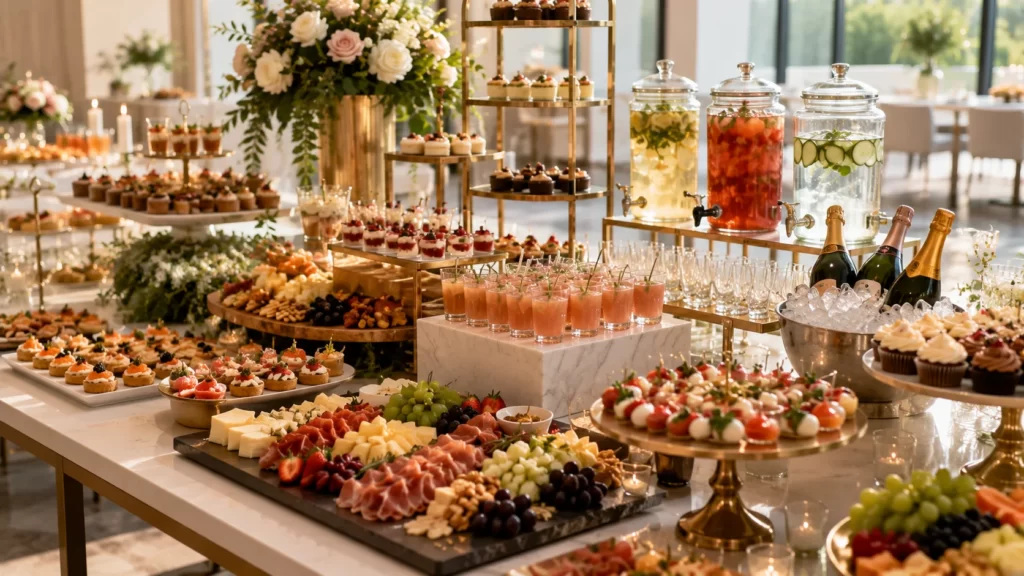
Guests may forget the decorations—but they’ll always remember the food.
15. Prepare Most Dishes in Advance
Aim to have roughly 70% of your menu completed before event day.
Great make-ahead options include:
- Pasta salads
- Charcuterie boards
- Brownies
- Cookies
- Chili
- Lasagna
- Sandwich platters
This leaves only final assembly on the day of the event.
16. Plan for Dietary Needs
Ask about food allergies when collecting RSVPs.
Offer at least:
- One vegetarian option
- One gluten-free option
- Clearly labeled allergens
Small accommodations help every guest feel welcome. Whether you’re deciding who pays for an engagement party or splitting costs among family members, planning an inclusive menu helps avoid unexpected last-minute expenses.
17. Create a Signature Drink
A themed beverage adds personality without significantly increasing costs.
Examples include:
- Citrus Spritz
- Berry Lemonade
- Tropical Punch
- Lavender Mocktail
Always offer a non-alcoholic alternative alongside alcoholic beverages.
18. Build a Self-Serve Beverage Station
Rather than constantly refilling drinks, organize a dedicated beverage station with:
- Water
- Ice
- Cups
- Garnishes
- Soft drinks
- Signature beverage
- Cocktail napkins
This encourages guests to help themselves while reducing congestion in the kitchen.
19. Order Enough Appetizers
A simple guideline:
- Light gathering: 6–8 pieces per guest
- Dinner replacement: 12–15 pieces per guest
Running out of appetizers is one of the quickest ways to disappoint hungry guests.
20. Practice Food Safety
Keep hot foods hot and cold foods cold.
Use:
- Slow cookers
- Chafing dishes
- Ice trays
- Food thermometers
Replace buffet items regularly instead of allowing them to sit out for extended periods. Protecting your food investment is just as important as managing your budget, whether you’re hosting a party or planning for the average wedding cost 2026.
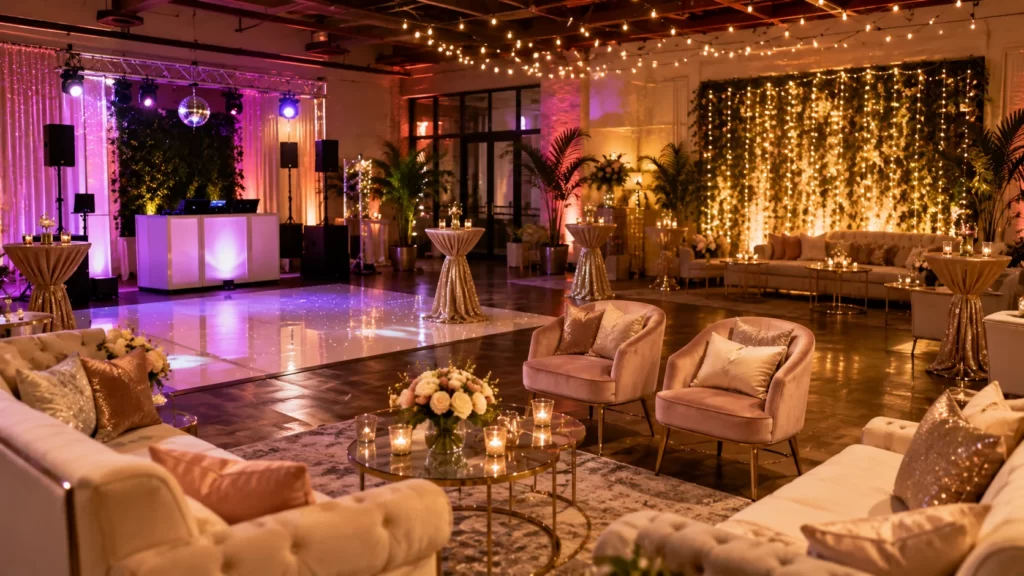
Guest Experience & Entertainment
Once your planning, décor, and menu are ready, your attention should shift to the people who matter most—your guests. A memorable party isn’t defined by expensive decorations alone. It’s created through thoughtful interactions, comfortable spaces, and experiences that encourage people to connect.
21. Welcome Guests with a Great First Impression
The first few minutes set the tone for the entire event.
Instead of simply opening the door, greet guests personally and offer a welcome drink or light appetizer. This immediately helps people feel comfortable while others continue arriving.
Simple welcome ideas include:
- Sparkling lemonade
- Signature mocktail
- Mini appetizers
- Fresh fruit-infused water
These small gestures make guests feel appreciated from the beginning.
22. Plan One Interactive Activity
Not every party needs a packed schedule, but having one shared activity helps break the ice.
Popular options include:
- Trivia games
- Photo booth challenges
- DIY dessert stations
- Wine tasting
- Backyard games
- Group toast
Activities encourage conversations between guests who may not already know one another.
⭐ Pro Tip
Plan one highlight—not five.
People remember one outstanding experience much more than several average activities.
23. Prepare Your Playlist Before Guests Arrive
Music creates energy without demanding attention.
Think about your event in stages:
| Event Stage | Music Style |
|---|---|
| Guest Arrival | Soft acoustic or jazz |
| Dinner | Background lounge music |
| Social Hour | Pop classics |
| Dancing | High-energy favorites |
| Closing | Relaxed acoustic playlist |
Download playlists beforehand in case your internet connection becomes unreliable.
24. Spend Time With Your Guests
Hosts often disappear into the kitchen.
Instead:
- Finish food preparation beforehand.
- Set drinks out early.
- Ask someone to refill platters if needed.
Your guests came to spend time with you—not watch you wash dishes.
25. Design Comfortable Conversation Areas
Rather than placing all seating around one table, create smaller conversation spaces throughout the venue.
Good layouts include:
- Lounge corners
- Outdoor seating groups
- High-top cocktail tables
- Firepit circles
Guests naturally move between groups, creating a more relaxed atmosphere.
26. Make Navigation Easy
Large homes and rented venues can confuse guests.
Simple signs directing people toward:
- Restrooms
- Food stations
- Beverage bars
- Outdoor spaces
help eliminate awkward questions.
27. End the Evening Graciously
A memorable farewell leaves the same positive impression as a warm welcome.
Before guests leave:
- Thank them personally.
- Offer leftover desserts where appropriate.
- Share when event photos will be available.
For engagement celebrations, guests often appreciate thoughtful messages. If you’re unsure what to include in cards, these short bridal shower wishes can inspire meaningful notes for similar celebrations.
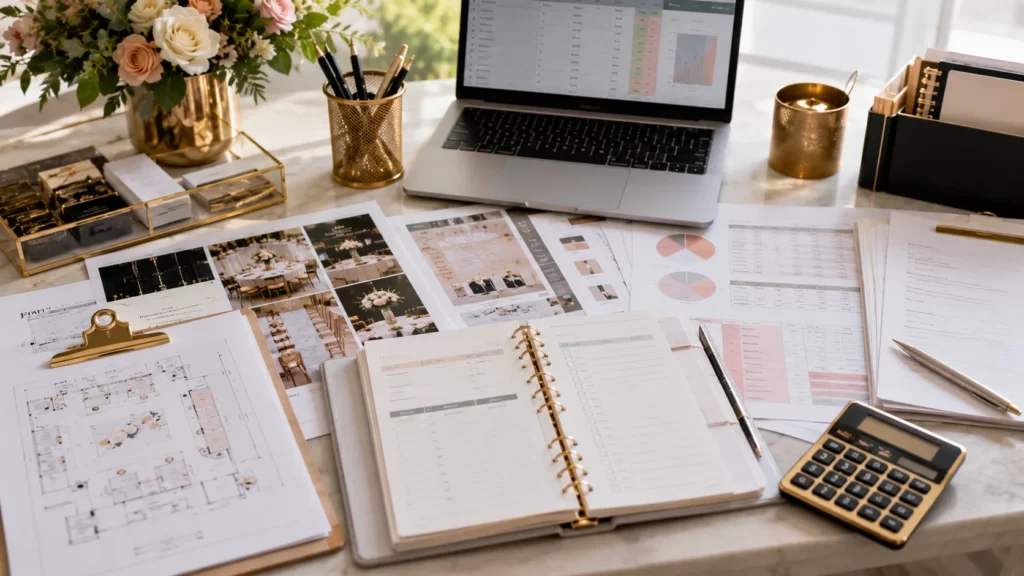
Logistics & Budget
The best hosts manage the behind-the-scenes details so guests never notice them.
28. Monitor Spending Throughout Planning
Waiting until the event is over to calculate costs is a common mistake.
Track purchases as they happen using:
- Google Sheets
- Excel
- Budgeting apps
- Receipt folders
Review expenses weekly to avoid overspending.
29. Shop Early Whenever Possible
Buying decorations, beverages, and non-perishable items in advance allows you to:
- Compare prices
- Use seasonal discounts
- Avoid last-minute shortages
Bulk warehouse stores are especially helpful for larger guest lists.
30. Compare Renting Versus Buying
Before purchasing equipment you’ll only use once, compare rental pricing.
Items commonly rented include:
- Tables
- Chairs
- Tents
- Dance floors
- Speakers
- Cocktail tables
If you’re researching club house rental near me, comparing venue packages may reveal that furniture and setup are already included, saving both money and effort.
31. Prepare a Cleanup Plan
Cleanup becomes much easier when it’s planned before the party begins.
Create labeled bins for:
- Trash
- Recycling
- Compost
Assign one or two helpers so everything doesn’t fall on the host.
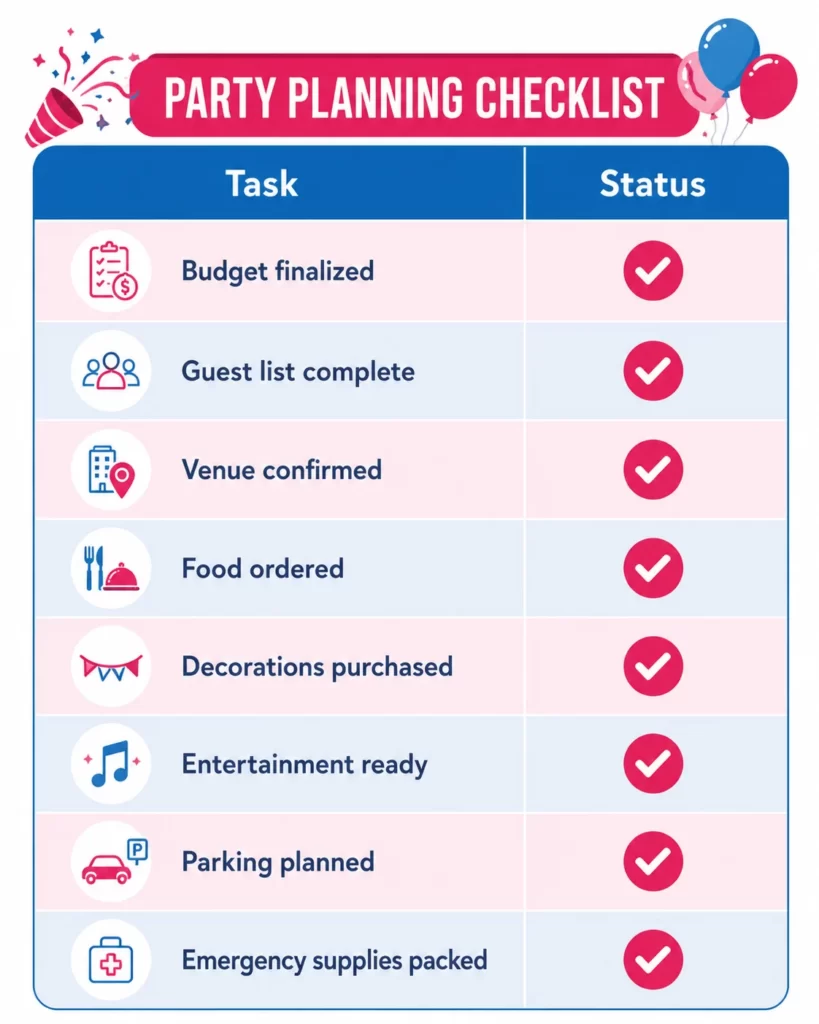
Quick Planning Checklist
Safety & Accessibility
Creating an enjoyable party also means making every guest feel safe, comfortable, and included.
32. Review Venue Rules
Before signing any rental agreement, understand:
- Noise restrictions
- Alcohol policies
- Decoration limitations
- Cleanup requirements
- Event insurance requirements
If you’re comparing venues through greatEvent, reviewing venue details in advance helps avoid surprises on event day.
33. Notify Neighbors and Plan Parking
For residential parties, a quick message to nearby neighbors is both courteous and practical.
Also consider:
- Overflow parking
- Rideshare pickup areas
- Handicap-accessible spaces
Good parking management keeps arrivals smooth.
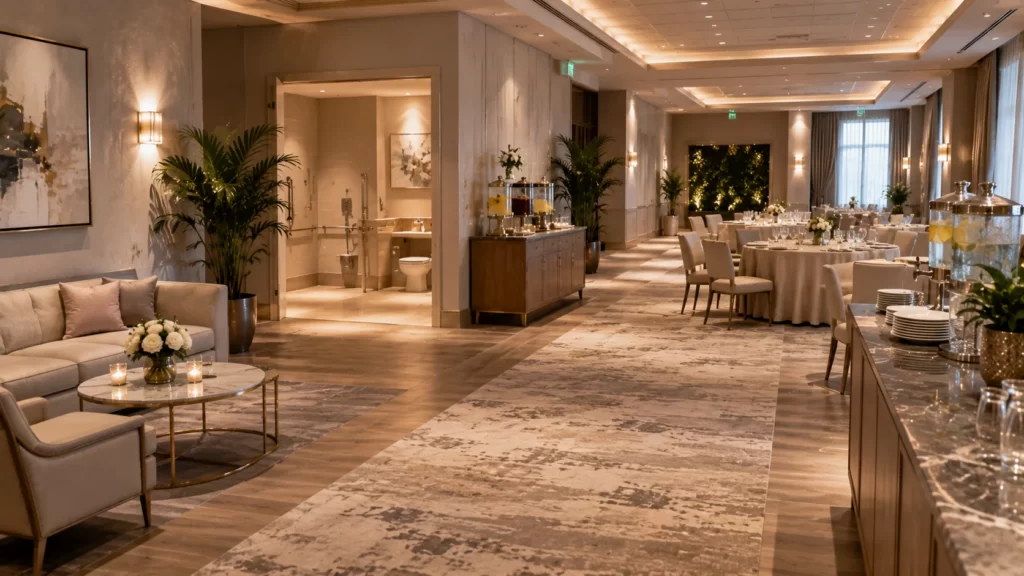
34. Make Accessibility a Priority
Think beyond wheelchair access.
Check for:
- Wide walkways
- Adequate lighting
- Stable flooring
- Comfortable seating
- Accessible restrooms
Small adjustments make a significant difference.
⭐ Insider Tip
Walk through your venue as if you’re attending for the first time.
You’ll quickly notice obstacles, confusing layouts, or safety hazards that guests may encounter.
35. Create a Quiet Space
Not everyone enjoys loud music all evening.
A quieter room with:
- Comfortable seating
- Soft lighting
- Water
- Light snacks
gives guests a place to recharge before rejoining the celebration.
36. Prepare for Emergencies
Keep these essentials nearby:
- First-aid kit
- Flashlights
- Phone chargers
- Extra extension cords
- Bottled water
If alcohol is served, stop service before the event ends and encourage rideshare transportation when needed.
Post-Event
Hosting doesn’t end when the last guest leaves.
A few thoughtful follow-up steps help wrap everything up successfully.
37. Clean Up Promptly
Store leftover food immediately and begin clearing tables before fatigue sets in.
Breaking cleanup into smaller tasks makes the process much less overwhelming.
38. Store Leftovers Properly
Label containers with dates before refrigerating or freezing.
Offer guests containers to take food home whenever appropriate.
Reducing food waste benefits both your budget and the environment.
39. Send Thank-You Messages
A simple text or email within 48 hours shows appreciation.
Include:
- Group photos
- Funny memories
- Gratitude for attending
These follow-ups often strengthen relationships beyond the event itself.
40. Evaluate What Worked
Every event teaches something valuable.
Ask yourself:
- Which activities were most popular?
- Was there enough food?
- Did guests arrive on time?
- Did the venue meet expectations?
Keeping notes makes your next event even easier to plan.
Conclusion
Hosting an exceptional event isn’t about spending the most money—it’s about thoughtful planning, meaningful details, and creating an environment where guests genuinely enjoy themselves.
Whether you’re organizing an intimate dinner, milestone birthday, graduation party, engagement celebration, or large family gathering, these 40 Party Hosting Ideas provide a practical roadmap from your first planning session to the final thank-you message.
Remember that every successful event begins with a clear plan, realistic expectations, and enough flexibility to enjoy the celebration yourself. If you’d like to learn more about us and our mission to help people discover venues and event services, explore our resources for additional planning tips and inspiration.
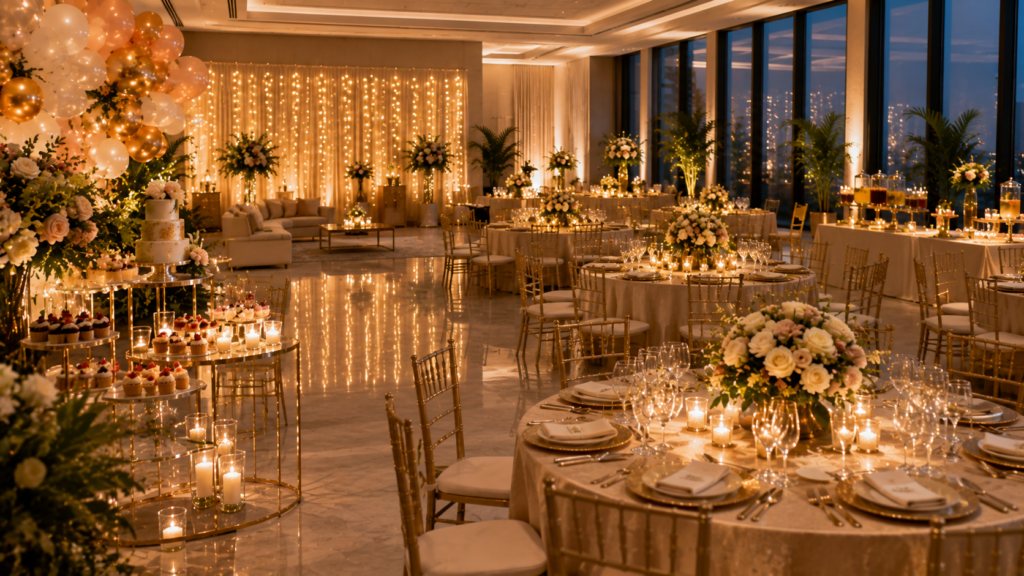
Finding the right venue is often the biggest decision you’ll make when planning a celebration. Whether you’re searching for an intimate private space, a banquet hall, or a unique event location, booking early gives you the best selection and pricing. Explore curated venues, compare options, and connect with trusted event professionals through greatEvent to simplify your planning journey. Start planning your next party today and turn your ideas into a celebration your guests will remember.
Frequently Asked Questions
What are the most important party hosting ideas? ▾
The most important party hosting ideas include setting a realistic budget, choosing the right venue, sending invitations early, planning food in advance, and creating a comfortable guest experience. Staying organized, preparing ahead of time, and focusing on your guests often have a bigger impact than expensive decorations.
How far in advance should I start planning a party? ▾
Small gatherings usually require three to four weeks of planning. Larger celebrations such as engagement parties, milestone birthdays, or corporate events should ideally begin six to eight weeks in advance so you have enough time to secure your venue, vendors, and guest confirmations.
Where can I find party venues near me? ▾
You can compare party venues by looking at guest capacity, location, amenities, parking availability, pricing, and included services. Starting your search early gives you access to more venue options, especially during busy wedding and holiday seasons.
Should I hire an event planner for a private party? ▾
Hiring an event planner depends on your budget, guest count, and the complexity of your event. Large celebrations often benefit from professional planning, while smaller gatherings can usually be managed with a detailed checklist and support from family or friends.
What’s the best season for hosting an outdoor party in the U.S.? ▾
Spring and fall are generally the best seasons for outdoor parties because of their mild temperatures and comfortable weather. However, the ideal season depends on your location, local climate, and the type of event you’re hosting.
Compare vendors for your next event
Search caterers, photographers, florists, planners, and rentals — then send one request to several vendors at once.