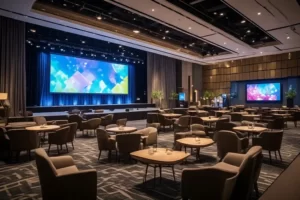
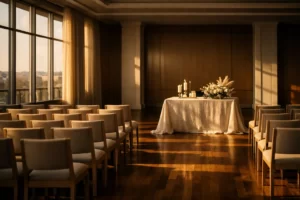
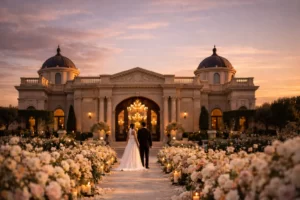
TL;DR
Choosing the right corporate holiday party venue involves more than finding a beautiful space. From capacity and budget to catering, accessibility, technology, and guest experience, every decision affects the success of your event. This guide explains how to compare venue types, estimate costs, negotiate contracts, and book a location that reflects your company culture while delivering a memorable celebration.
Introduction
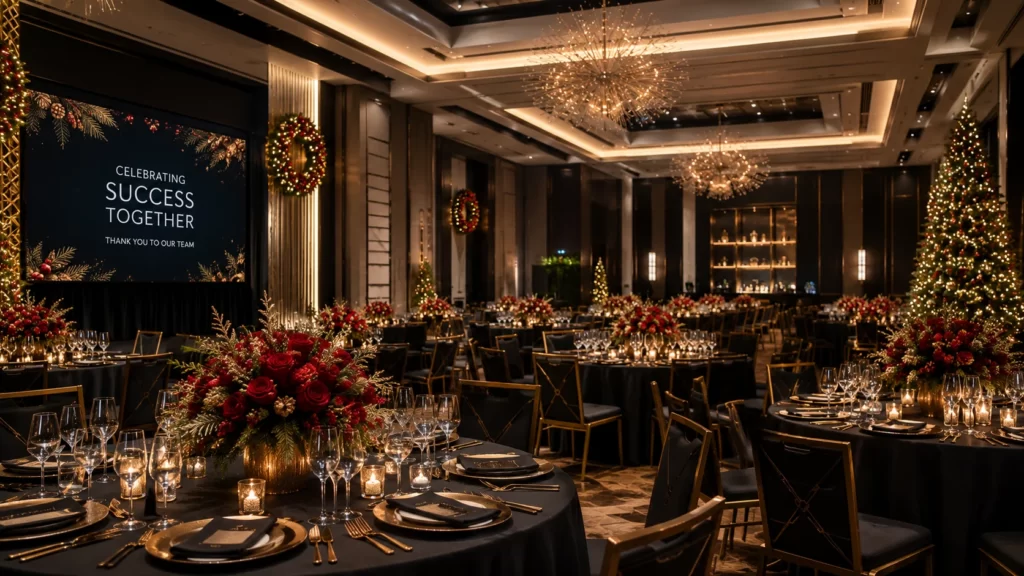
A successful holiday celebration starts with choosing one of the best corporate holiday party venues for your team. The right venue does more than accommodate your guest list—it shapes the atmosphere, enhances employee engagement, and creates an experience that reflects your company’s culture and values. Whether you’re planning an elegant awards banquet, a relaxed networking event, or a festive year-end celebration, your venue becomes the foundation of the entire event.
Today’s businesses have an incredible range of options, from luxury hotels and rooftop lounges to historic estates, restaurants, wineries, industrial lofts, museums, and modern event spaces. Each venue type offers unique advantages depending on your budget, guest count, entertainment plans, and desired atmosphere. Before comparing locations, it’s worth understanding event space costs so you can establish a realistic budget and narrow your options before requesting proposals from venues.
Planning ahead is equally important because the most desirable venues often book months in advance, especially during the busy holiday season. If you’re working with a dedicated planning team or considering outside assistance, understanding how much it costs to hire a corporate event planner can help you determine whether professional support fits within your overall event budget while simplifying the planning process.
According to current industry trends, organizations are placing greater emphasis on flexible event spaces, memorable guest experiences, hybrid meeting capabilities, and sustainable venue practices when selecting locations for company celebrations. These evolving priorities make venue selection more strategic than ever before and reinforce the importance of evaluating every option beyond its appearance alone.
In this guide, you’ll learn how to evaluate venue types, compare costs, avoid common booking mistakes, negotiate better contracts, and choose a space that delivers an exceptional holiday experience for employees, clients, and guests alike.
Why Your Venue Choice Matters More Than Ever
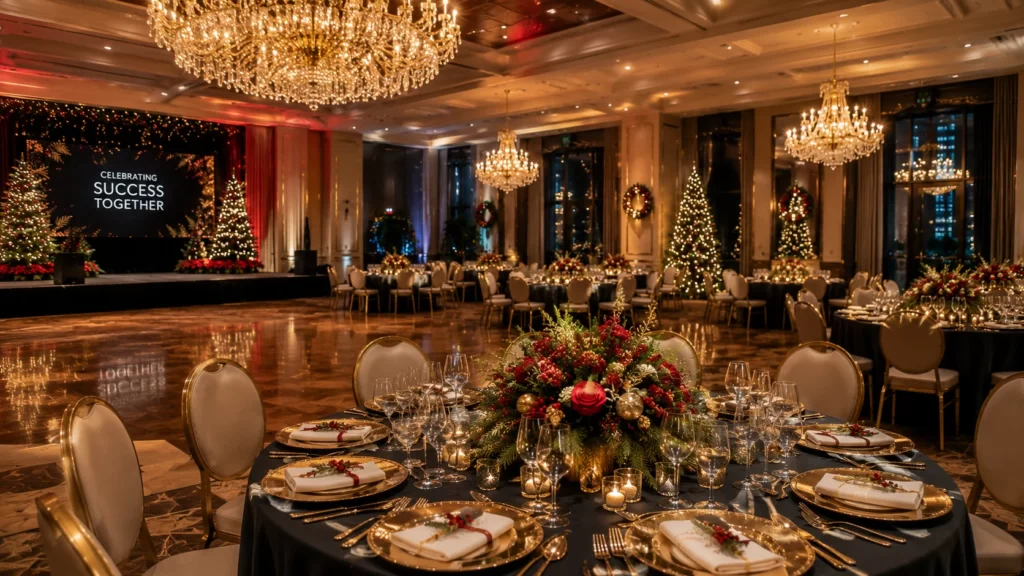
Corporate holiday parties have evolved far beyond traditional dinner-and-dance events. Today, they’re an opportunity to recognize employee achievements, strengthen workplace culture, celebrate milestones, and leave a lasting impression on clients and business partners. The venue you choose plays a significant role in shaping those experiences, influencing everything from guest engagement to the overall success of the event.
Modern employees also have higher expectations than ever before. Rather than attending a standard banquet in a generic ballroom, many now appreciate unique experiences that feel personalized and memorable. Choosing a venue that aligns with your company’s culture can encourage stronger attendance, increase participation, and create moments employees genuinely enjoy sharing with colleagues.
Before you start comparing venues, it’s helpful to understand the differences between event planners and coordinators because the level of support you need can influence which venues are practical for your event. Some venues include an on-site coordinator, while others require you to manage every aspect of planning yourself.
Research also shows that companies are increasingly prioritizing venues with flexible floor plans, built-in audiovisual technology, hybrid meeting capabilities, sustainability initiatives, and customizable catering options instead of choosing locations based solely on price. These features not only improve the guest experience but also reduce logistical challenges on the day of the event.
Benefits of Choosing the Right Venue
Selecting the right venue can positively impact both your event and your organization. A thoughtfully chosen space helps create a smoother planning process while ensuring guests enjoy the celebration from start to finish.
Some of the biggest advantages include:
- Higher employee engagement and attendance
- Stronger company culture and team morale
- Better networking opportunities
- More flexibility for entertainment and activities
- Improved guest comfort and accessibility
- Easier event logistics and vendor coordination
- A more professional impression for clients and partners
On the other hand, choosing the wrong venue can create unnecessary challenges. Limited parking, poor acoustics, cramped layouts, outdated technology, or restrictive vendor policies can quickly affect the guest experience and increase your overall costs.
Common Venue Mistakes Companies Make
Even experienced planners occasionally overlook details that become costly later. Avoiding these common mistakes can save both time and money during the planning process.
| Mistake | Potential Impact |
|---|---|
| Booking too late | Limited venue availability and higher rental costs |
| Choosing based only on appearance | Poor functionality during the event |
| Underestimating guest count | Overcrowded spaces and uncomfortable seating |
| Ignoring parking and accessibility | Guest frustration before the event begins |
| Not reviewing vendor restrictions | Additional unexpected expenses |
| Overlooking technology requirements | Presentation or entertainment issues |
| Failing to read the contract carefully | Hidden fees and unfavorable cancellation policies |
Taking the time to evaluate these factors early makes comparing venues much easier and reduces the likelihood of last-minute surprises.
What Today’s Companies Expect from Corporate Holiday Party Venues
Venue expectations have changed significantly over the past few years. Businesses are no longer looking for a space that simply accommodates guests—they’re searching for venues that enhance the overall experience.
Some of the most requested venue features include:
- Flexible seating layouts
- Modern audiovisual equipment
- High-speed Wi-Fi
- Indoor and outdoor event options
- Sustainable practices
- On-site catering or flexible catering policies
- Convenient parking
- ADA accessibility
- Private event spaces
- Attractive photo opportunities for company memories
Many organizations also look for venues that can easily transition between presentations, networking sessions, dinner service, and entertainment without requiring major room changes throughout the evening.
Expert Tip
Instead of ranking venues based only on aesthetics, create a comparison scorecard that evaluates every important category equally. Consider capacity, accessibility, parking, catering flexibility, technology, contract terms, location, and overall guest experience. A structured evaluation process helps justify your final decision to company leadership while reducing the chances of overlooking critical details. This recommendation aligns with the planning framework outlined in your research materials.
How to Define Your Corporate Holiday Party Goals Before Choosing a Venue
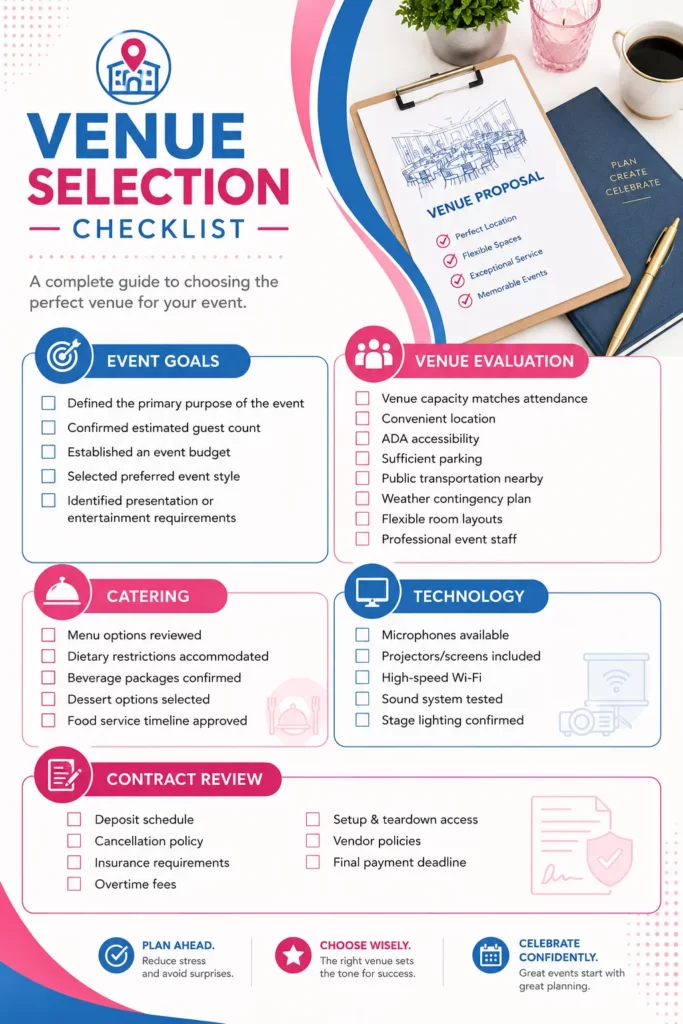
One of the biggest mistakes companies make is scheduling venue tours before defining the purpose of their holiday party. While a venue may look impressive during a walkthrough, it may not support the activities, atmosphere, or guest experience you’re trying to create. Establishing clear event goals before contacting venues helps narrow your options, streamline planning, and prevent costly changes later.
Every company celebrates differently. Some organizations prioritize employee appreciation, while others focus on strengthening client relationships, recognizing achievements, or creating networking opportunities. Knowing your primary objective makes it much easier to determine the ideal venue size, layout, catering style, entertainment, and technology requirements.
If you’re still deciding how much planning support you’ll need, understanding event planners vs. coordinators can help you identify whether your team requires full-service planning or simply day-of event coordination before selecting a venue.
Industry research also suggests that organizations with clearly defined event objectives are more likely to choose venues that support guest engagement, operational efficiency, and overall event success. Rather than selecting a venue based solely on aesthetics, successful planners evaluate how well each space aligns with their company’s goals and attendee expectations.
Questions Every Planning Team Should Answer First
Before reaching out to venues, gather your planning committee and answer these essential questions.
| Question | Why It Matters |
|---|---|
| What is the primary purpose of the event? | Determines the atmosphere, venue style, and overall experience. |
| Who will attend? | Influences venue size, seating arrangements, and catering needs. |
| What is your estimated guest count? | Prevents overbooking or paying for unnecessary space. |
| Will clients or executives attend? | May require a more formal venue and elevated dining experience. |
| Will there be speeches or awards? | Determines audiovisual and stage requirements. |
| Is entertainment planned? | Impacts floor layout, dance space, and electrical needs. |
| Will remote employees participate? | Requires hybrid-friendly technology. |
| What’s the maximum budget? | Helps eliminate unsuitable venues early. |
Answering these questions before requesting proposals allows you to compare venues based on practical needs instead of first impressions.
Match Your Goals to the Right Venue Type
Once you’ve defined your event objectives, it becomes much easier to identify the type of venue that best supports your celebration.
| Event Goal | Recommended Venue |
|---|---|
| Employee Appreciation | Hotel ballroom, banquet hall, country club |
| Client Entertainment | Luxury hotel, rooftop venue, private restaurant |
| Casual Team Celebration | Brewery, winery, restaurant, outdoor venue |
| Awards Ceremony | Conference hotel, theater, event center |
| Holiday Networking | Rooftop lounge, museum, historic venue |
| Family-Friendly Celebration | Resort, community venue, outdoor event space |
| Company Milestone Celebration | Historic estate, luxury venue, unique event space |
Rather than choosing a venue because it’s trendy or visually impressive, focus on selecting one that complements your event objectives and provides the experience your guests will appreciate most.
Think Beyond Capacity
Many planners assume that if a venue fits their guest count, it’s automatically suitable for the event. In reality, capacity is only one piece of the decision-making process.
As you compare venues, consider:
- Registration and welcome areas
- Networking space
- Buffet or plated dinner service
- Dance floor requirements
- Entertainment setup
- Presentation stage
- Accessibility
- Coat check
- Restrooms
- Outdoor gathering areas
- Parking availability
If you’re budgeting for all these elements, reviewing event space costs early in the planning process can help you estimate the true cost of hosting your celebration rather than focusing only on the venue rental fee.
Create a Venue Evaluation Scorecard
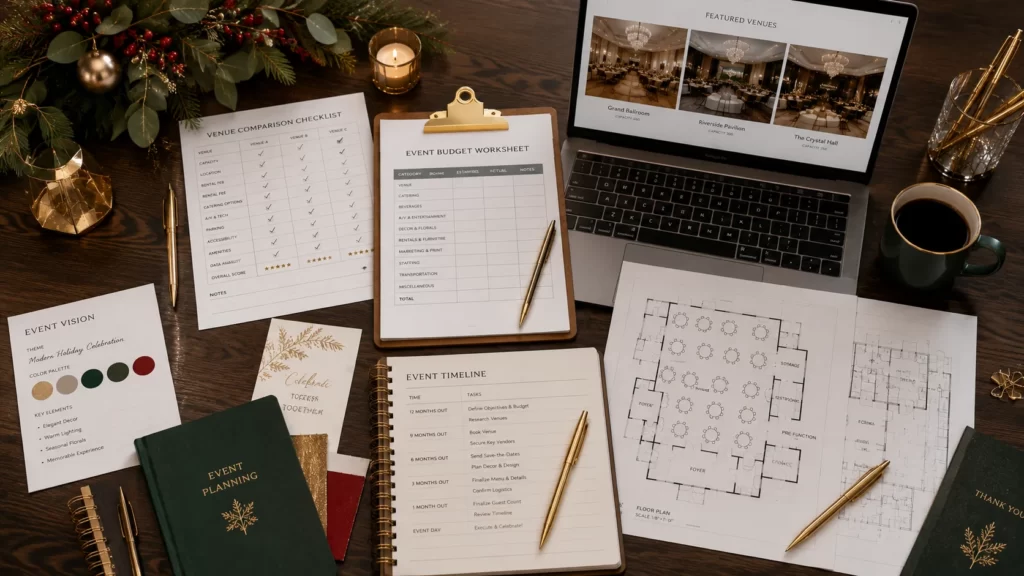
Instead of relying on opinions after venue tours, use a standardized scorecard so every venue is evaluated fairly.
| Evaluation Criteria | Importance |
|---|---|
| Guest Capacity | ⭐⭐⭐⭐⭐ |
| Location | ⭐⭐⭐⭐⭐ |
| Parking | ⭐⭐⭐⭐ |
| Accessibility | ⭐⭐⭐⭐⭐ |
| Catering Options | ⭐⭐⭐⭐ |
| AV Technology | ⭐⭐⭐⭐ |
| Flexibility | ⭐⭐⭐⭐ |
| Holiday Availability | ⭐⭐⭐⭐⭐ |
| Venue Reputation | ⭐⭐⭐⭐ |
| Overall Value | ⭐⭐⭐⭐⭐ |
Scoring venues consistently makes discussions with stakeholders much easier and provides objective reasons for selecting one venue over another.
Pro Tip
Create a “must-have” and “nice-to-have” checklist before touring venues. Must-have features should include items that directly affect the success of your event, such as guest capacity, accessibility, technology, and parking. Nice-to-have features—like rooftop views, architectural character, or premium décor—can help differentiate venues but shouldn’t outweigh operational requirements. This structured approach reduces emotional decision-making and keeps your planning team focused on practical priorities.
Types of Corporate Holiday Party Venues
Not every venue creates the same experience. A luxury hotel ballroom may be ideal for a formal awards banquet, while a rooftop lounge or winery might better suit a relaxed holiday celebration. Choosing the right venue starts with understanding what each type of space offers and how it aligns with your company’s goals, guest expectations, and budget.
Instead of searching for the “best” venue, focus on finding the one that delivers the experience you want. Companies that take time to compare venue types are more likely to choose spaces that improve employee engagement, simplify logistics, and maximize their event budget.
If you’re still estimating expenses, reviewing event space costs before requesting proposals can help you compare venues with realistic pricing expectations.
Quick Comparison of Popular Corporate Holiday Party Venues
| Venue Type | Best For | Guest Capacity | Budget |
|---|---|---|---|
| Hotel Ballroom | Formal galas & awards | 100–1,000+ | $$$$ |
| Restaurant | Small teams | 20–120 | $$–$$$ |
| Rooftop Venue | Networking & cocktails | 50–300 | $$$ |
| Winery or Brewery | Casual celebrations | 40–250 | $$$ |
| Historic Venue | Premium experiences | 75–500 | $$$$ |
| Museum or Gallery | Unique corporate events | 100–600 | $$$$ |
| Industrial Loft | Modern celebrations | 50–350 | $$$ |
| Resort | Multi-day company events | 100–2,000+ | $$$$ |
Hotel Ballrooms
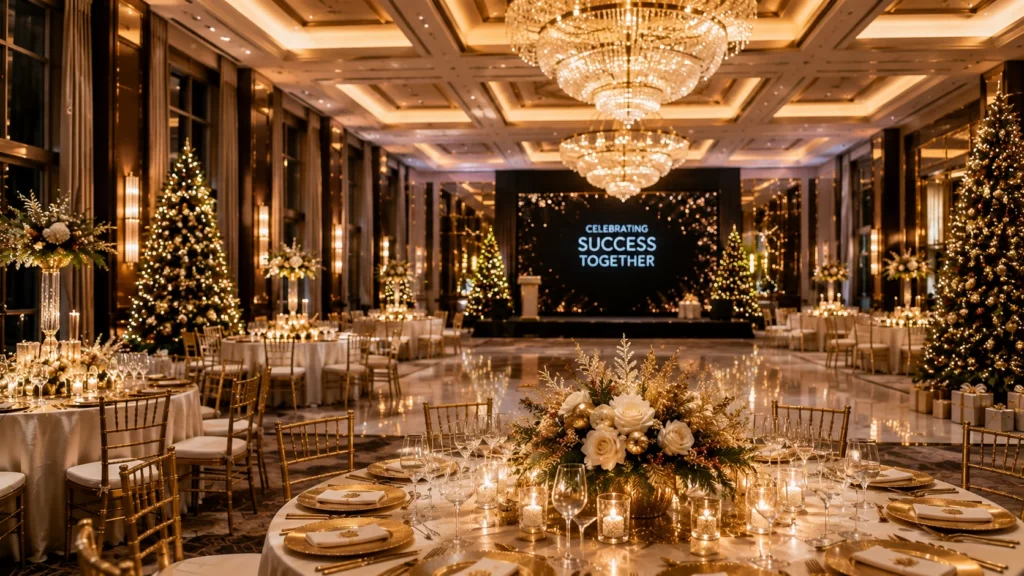
Hotel ballrooms remain one of the most popular corporate holiday party venues because they offer an all-in-one solution for businesses. From catering and event furniture to audiovisual equipment and overnight accommodations, hotels simplify the planning process while providing a polished atmosphere suitable for companies of every size.
They’re especially valuable for organizations hosting executives, clients, or employees traveling from other cities. Many hotels also assign dedicated event managers, reducing the workload for internal planning teams. Before deciding whether you need outside planning assistance, it’s worth understanding how much it costs to hire a corporate event planner since many hotel venues already include planning support as part of their event packages.
Best For
- Company-wide holiday parties
- Awards ceremonies
- Executive dinners
- Client appreciation events
- Black-tie celebrations
Advantages
- Professional catering
- Built-in audiovisual systems
- Multiple room configurations
- Guest accommodations
- Dedicated event staff
- Valet parking at many locations
Potential Drawbacks
- Higher rental costs
- Holiday dates book quickly
- Less flexibility with outside vendors
- Minimum food and beverage requirements
Restaurants & Private Dining Rooms
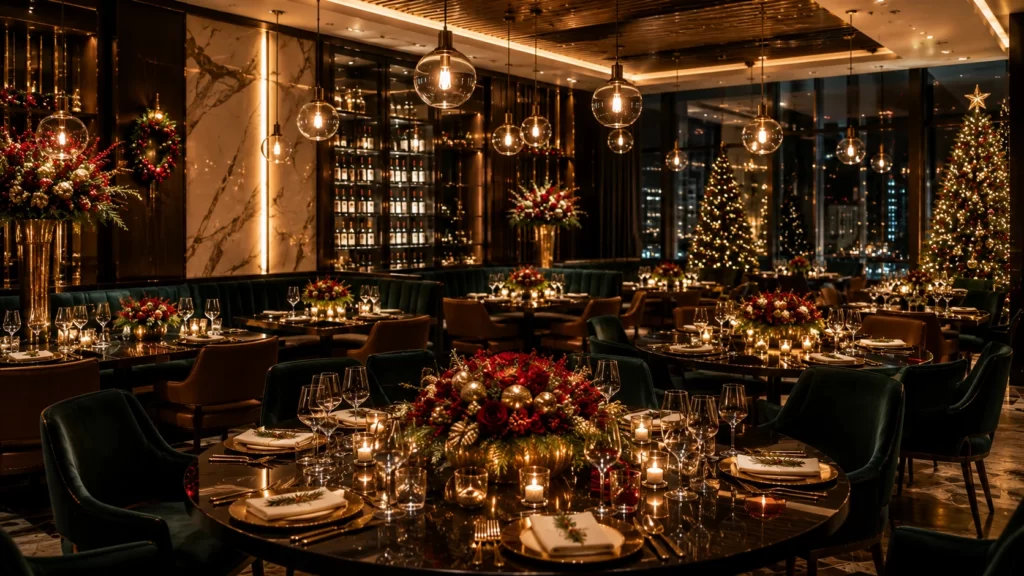
Restaurants continue to be one of the most practical options for companies hosting smaller holiday celebrations. They provide an intimate atmosphere, high-quality dining, and significantly less planning than larger event venues. Private dining rooms are especially popular for leadership teams, department celebrations, and client appreciation dinners.
Many restaurants include customizable menus, experienced service staff, and private event spaces, making them ideal for businesses that want a relaxed yet professional environment. If your event focuses on relationship building rather than entertainment, restaurants often provide better value than renting a larger venue.
Best For
- Teams of 20–120 guests
- Leadership dinners
- Client entertainment
- Department holiday parties
Advantages
- Excellent food quality
- Lower venue costs
- Minimal decorating required
- Comfortable atmosphere
- Easier planning
Potential Drawbacks
- Limited entertainment space
- Smaller guest capacity
- Less flexibility for presentations
- Parking varies by location
Rooftop Venues
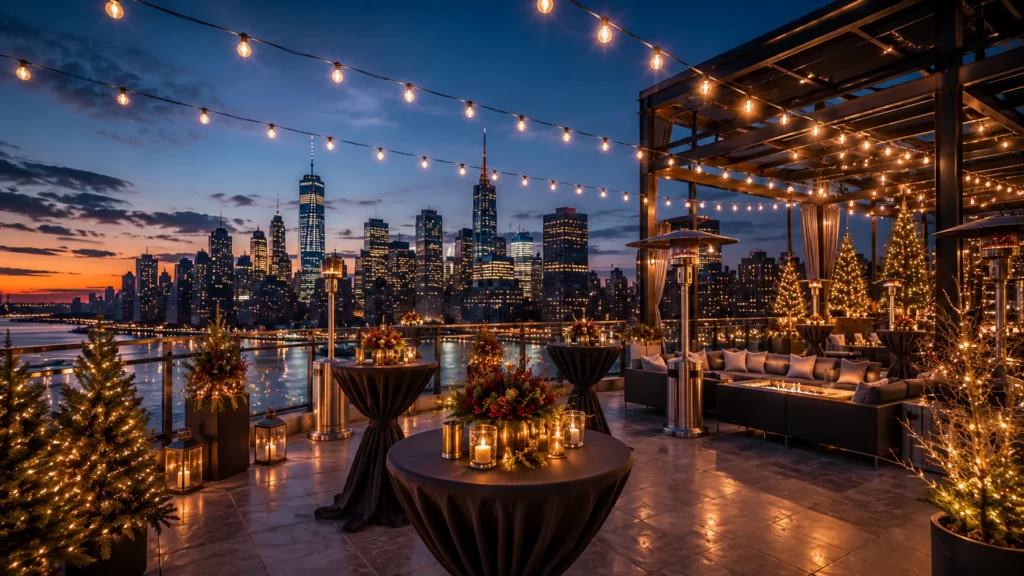
Rooftop venues have become increasingly popular for businesses looking to create memorable holiday experiences without the formality of a ballroom. Their panoramic city views, modern architecture, and relaxed atmosphere naturally encourage networking and conversation, making them ideal for cocktail receptions and social gatherings.
Because weather can affect outdoor events, look for rooftop venues with enclosed spaces or retractable roofs that provide flexibility during winter celebrations. While evaluating unique venues like rooftops, it’s also helpful to compare event venue costs since pricing often varies based on season, day of the week, and included amenities.
Best For
- Cocktail receptions
- Networking events
- Young professional teams
- Client mixers
- Holiday happy hours
Advantages
- Memorable skyline views
- Modern atmosphere
- Excellent networking environment
- Great photography opportunities
Potential Drawbacks
- Weather considerations
- Noise restrictions
- Capacity limitations
- Seasonal availability
Wineries & Breweries
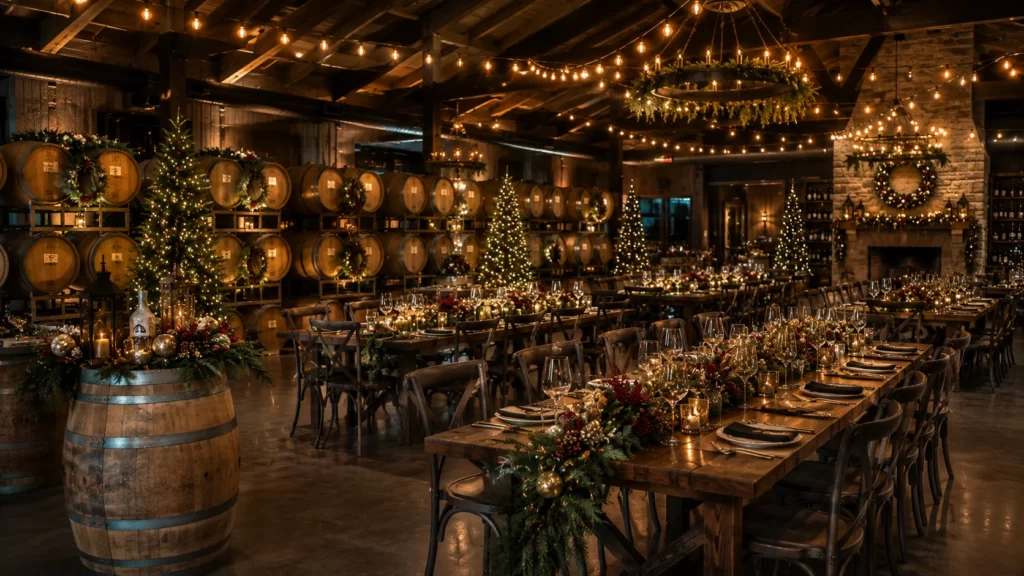
For companies looking to create a relaxed and conversational atmosphere, wineries and breweries offer a refreshing alternative to traditional event spaces. These venues naturally encourage social interaction while providing distinctive surroundings that employees often find more memorable than conventional banquet halls.
Many wineries feature scenic indoor tasting rooms, rustic barrel halls, landscaped outdoor patios, and private event spaces that work well for holiday dinners, appreciation events, and networking receptions. Breweries, on the other hand, typically offer industrial-chic interiors with customizable seating arrangements and a casual ambiance that appeals to creative teams and growing businesses.
Choosing these venues works particularly well for organizations that value experiences over formality. If you’re still building your planning timeline, understanding how much it costs to hire a corporate event planner can help you decide whether to coordinate the event internally or bring in professional assistance, especially when working with unique venues that may have different vendor requirements.
Best For
- Employee appreciation events
- Team-building celebrations
- Networking receptions
- Casual holiday dinners
- Mid-sized company gatherings
Advantages
- Relaxed atmosphere
- Distinctive venue character
- Built-in beverage experiences
- Flexible event layouts
- Great photo opportunities
Potential Drawbacks
- Limited availability during peak holiday weekends
- Outdoor areas may be weather dependent
- Transportation planning may be necessary for guests
Historic Mansions & Estates
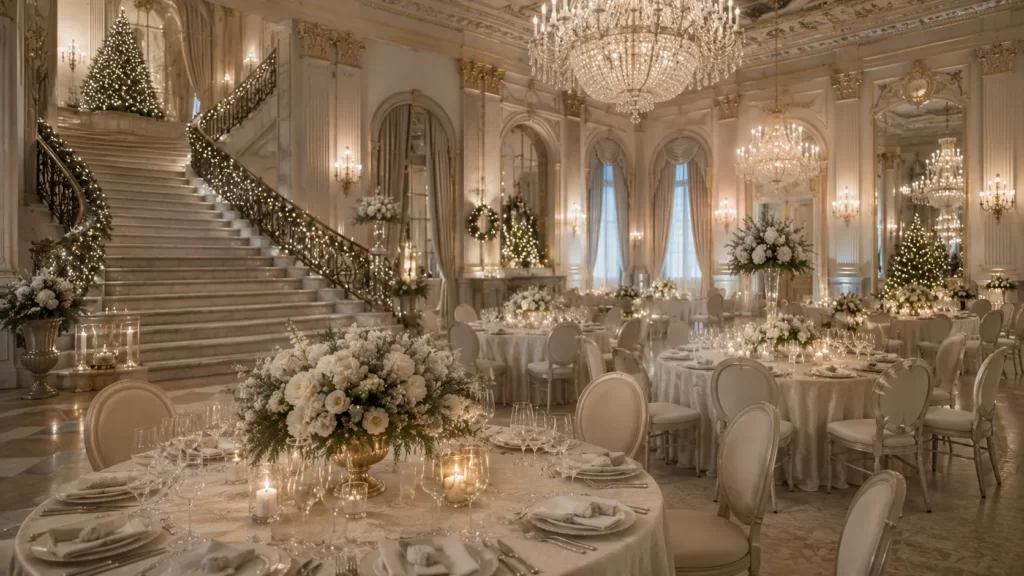
Historic mansions and estates offer a timeless setting for companies that want to create a sophisticated holiday celebration. Featuring grand architecture, landscaped gardens, elegant ballrooms, and unique character, these venues provide an experience that standard event spaces often can’t replicate. They’re especially popular for executive gatherings, client appreciation dinners, and milestone celebrations where first impressions matter.
Unlike traditional banquet halls, historic venues naturally create conversation and memorable photo opportunities. However, because these properties are often protected landmarks, they may have restrictions on decorations, entertainment, or vendor access. Before booking, it’s important to review venue policies carefully and compare event space costs so you understand what’s included in the rental fee and what services require additional budgeting.
Best For
- Executive holiday galas
- Client appreciation dinners
- Company anniversary celebrations
- Luxury corporate events
- Formal holiday receptions
Advantages
- Stunning architecture
- Exclusive atmosphere
- Memorable guest experience
- Beautiful indoor and outdoor spaces
- Exceptional photography locations
Potential Drawbacks
- Premium pricing
- Vendor restrictions
- Limited availability
- Historic preservation rules
- Parking may be limited
Museums & Art Galleries
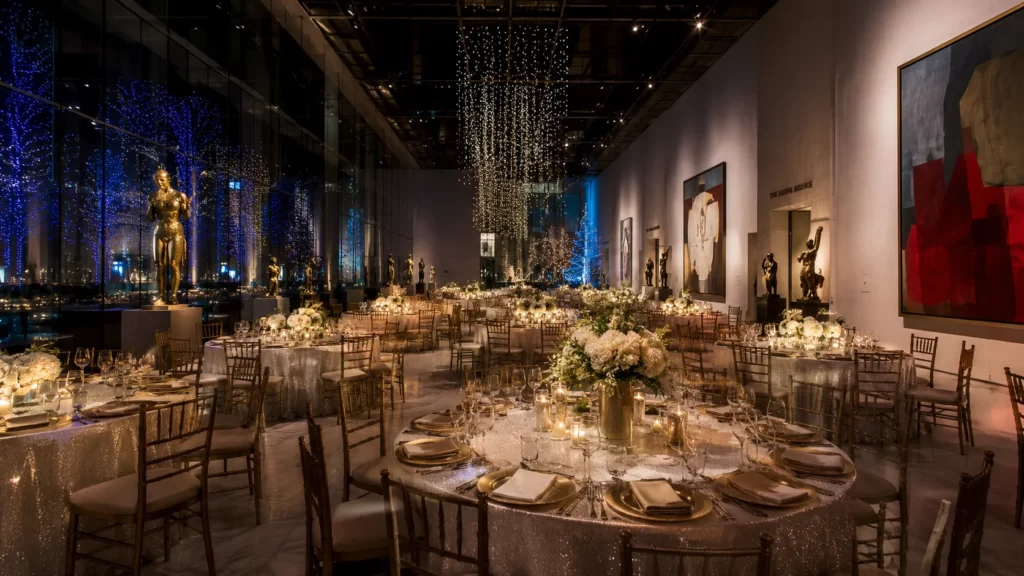
For businesses looking to host an unforgettable event, museums and art galleries provide a distinctive backdrop that combines culture, creativity, and sophistication. These venues encourage exploration and conversation, making them particularly well suited for networking events, client receptions, and holiday celebrations designed to leave a lasting impression.
Many museums also offer exclusive evening rentals, giving guests private access to exhibits while enjoying dinner, cocktails, or live entertainment. Because these venues often have specific operating procedures, learning event planners vs. coordinators can help determine whether you need full-service planning or simply on-site coordination to manage vendor schedules and guest flow.
Best For
- Networking receptions
- Client appreciation events
- Creative industry celebrations
- Executive holiday parties
- Company milestone events
Advantages
- Unique atmosphere
- Built-in entertainment
- Premium guest experience
- Excellent branding opportunities
- Memorable event setting
Potential Drawbacks
- Restricted setup times
- Limited decorating flexibility
- Higher rental fees
- Strict preservation guidelines
Industrial Lofts & Modern Event Spaces
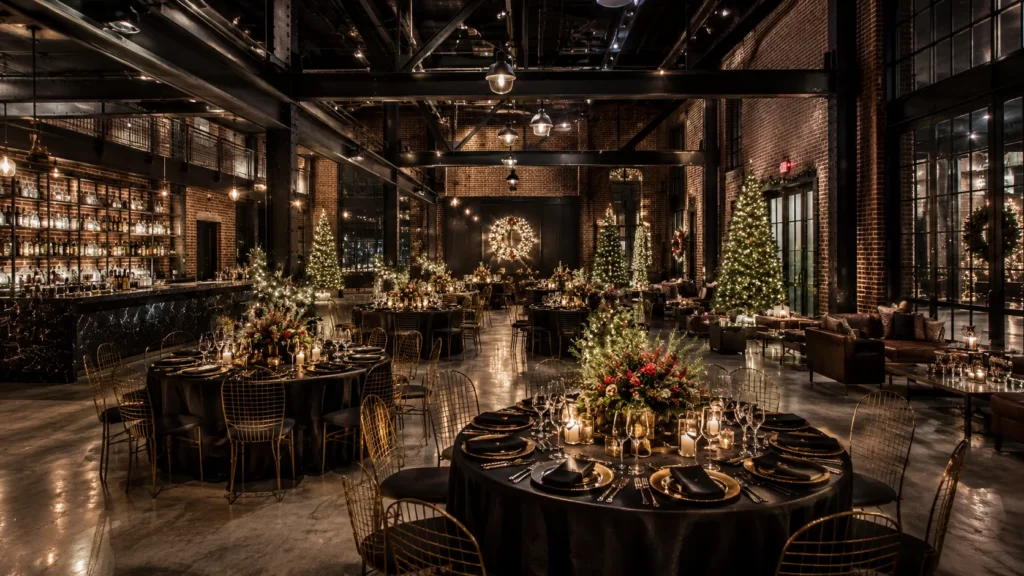
Industrial lofts have become one of the fastest-growing choices for modern corporate celebrations. Their exposed brick walls, high ceilings, open layouts, and contemporary design provide a blank canvas that companies can customize to match their brand identity and holiday theme.
These venues are especially attractive for technology companies, startups, creative agencies, and businesses looking for a less traditional celebration. Their flexible layouts make it easy to combine networking, dining, presentations, and entertainment within a single open space.
Before committing to a loft venue, evaluate whether you’ll need additional rentals for furniture, lighting, staging, or audiovisual equipment. Reviewing event space costs can help you account for these extras when comparing seemingly affordable venue rentals.
Best For
- Startup holiday parties
- Tech company celebrations
- Product launches
- Networking events
- Creative agency gatherings
Advantages
- Flexible layouts
- Contemporary atmosphere
- Brand customization
- High ceilings and spacious interiors
- Excellent photo opportunities
Potential Drawbacks
- May require additional rentals
- Limited built-in amenities
- Parking varies
- Vendor coordination may be more complex
Resorts & Conference Centers
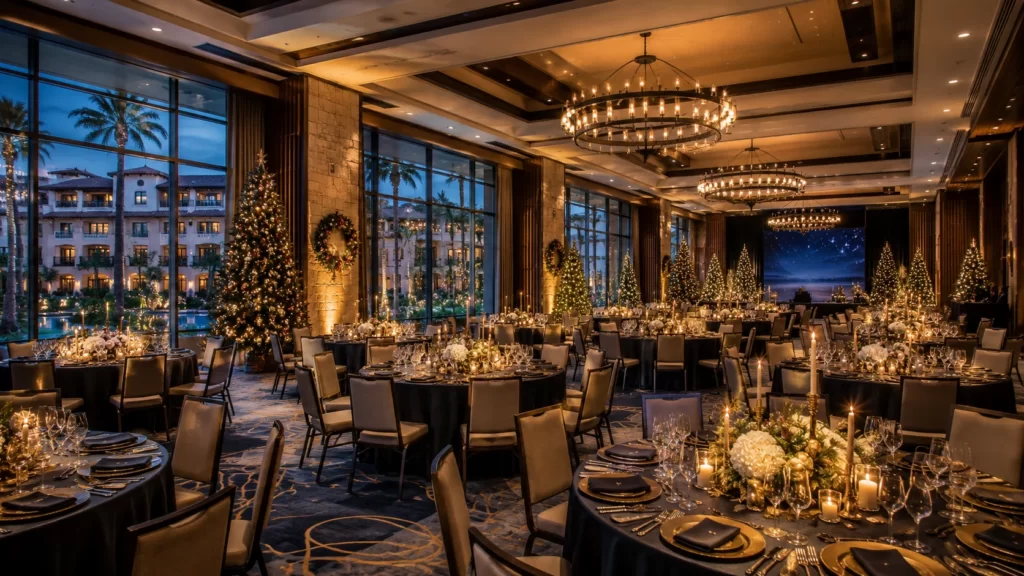
Resorts and conference centers are ideal for organizations planning large-scale celebrations or multi-day holiday events. In addition to spacious event facilities, these venues often include guest accommodations, restaurants, meeting rooms, recreational amenities, and dedicated event teams, making them a convenient choice for companies with traveling employees or nationwide teams.
Hosting your celebration at a resort also creates opportunities for team-building activities, leadership meetings, wellness experiences, and extended networking beyond the holiday party itself. If you’re deciding whether to manage a large event internally, understanding how much it costs to hire a corporate event planner can help you determine if professional planning support is worth the investment for a multi-day program.
Best For
- National company meetings
- Leadership retreats
- Multi-day celebrations
- Employee recognition programs
- Large corporate holiday parties
Advantages
- On-site accommodations
- Multiple event spaces
- Dedicated planning teams
- Team-building opportunities
- Comprehensive guest services
Potential Drawbacks
- Higher overall budgets
- Longer booking timelines
- Resort fees
- Travel logistics for guests
Outdoor Gardens & Seasonal Event Spaces
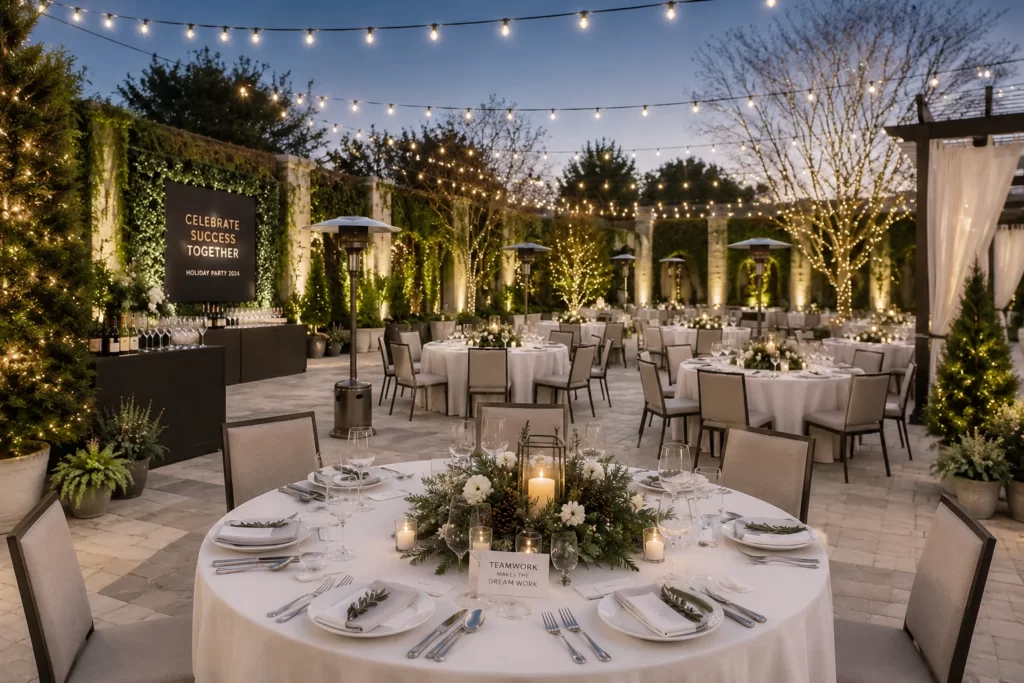
Outdoor gardens, botanical venues, and seasonal event spaces offer a refreshing alternative to traditional indoor celebrations, particularly in regions with mild winter weather. These venues provide natural scenery, open-air flexibility, and a relaxed atmosphere that works well for daytime holiday parties, company picnics, or evening celebrations under decorative lighting.
While outdoor venues can create an unforgettable guest experience, weather should always be part of your planning strategy. Choosing a venue with covered areas or indoor backup spaces helps protect your event from unexpected conditions. As you compare options, understanding event space costs will help you budget for weather contingency plans, tent rentals, heating, or additional décor if required.
Best For
- Casual holiday celebrations
- Family-friendly company events
- Daytime gatherings
- Outdoor networking receptions
- Seasonal festivals
Advantages
- Beautiful natural surroundings
- Flexible layouts
- Relaxed atmosphere
- Great photography opportunities
- Fresh-air environment
Potential Drawbacks
- Weather dependency
- Seasonal availability
- Additional rental requirements
- Outdoor logistics
How to Choose the Best Venue Type for Your Company
After exploring different venue options, narrow your shortlist by focusing on your event objectives instead of aesthetics alone. The best venue isn’t necessarily the most luxurious or the most expensive—it’s the one that aligns with your guest experience, budget, company culture, and operational needs.
If your goal is an executive awards gala, a hotel ballroom or historic estate may be the right fit. For networking-focused celebrations, rooftops and museums encourage conversation, while restaurants, wineries, and breweries create a more intimate atmosphere for smaller teams. Companies hosting multi-day programs often benefit most from resorts and conference centers that combine accommodations with event facilities.
Before making a final decision, compare venues using the same evaluation criteria so every option is judged fairly. This approach helps eliminate emotional decisions and ensures you’re investing in a space that supports the overall success of your corporate holiday celebration.
Venue Selection Decision Matrix
| If Your Priority Is… | Best Venue Choice |
|---|---|
| Formal Awards Gala | Hotel Ballroom |
| Luxury Client Dinner | Historic Estate |
| Networking Event | Rooftop Venue |
| Casual Team Celebration | Brewery or Winery |
| Creative Company Culture | Industrial Loft |
| Executive Retreat | Resort |
| Premium Brand Experience | Museum or Art Gallery |
| Outdoor Celebration | Garden Venue |
Budgeting for Corporate Holiday Party Venues
Choosing the perfect venue is only one part of planning a successful corporate holiday celebration. Understanding the full cost of your event—including venue rental, catering, entertainment, staffing, technology, and unexpected fees—helps you avoid budget overruns while ensuring a memorable guest experience.
Many companies focus only on the advertised venue rental price, but that’s rarely the final amount you’ll pay. Hidden expenses such as service charges, gratuities, overtime, cleaning fees, security, parking, and equipment rentals can significantly increase your total investment. Before requesting proposals, it’s helpful to understand event space costs so you can build a realistic budget and compare venues more accurately.
Average Corporate Holiday Party Venue Costs
While pricing varies by city, season, guest count, and venue type, the following ranges provide a useful starting point when planning your budget.
| Expense Category | Typical Cost Range |
|---|---|
| Venue Rental | $2,000–$15,000+ |
| Catering (per guest) | $50–$200 |
| Beverage Service | $20–$100 per guest |
| Decorations | $500–$5,000 |
| Entertainment | $1,000–$8,000 |
| Photography | $800–$3,500 |
| AV Equipment | $500–$5,000 |
| Event Insurance | $200–$1,000 |
| Transportation | Varies |
| Staffing | Based on event size |
Remember that venues offering all-inclusive packages may initially appear more expensive, but they often reduce overall costs by bundling services that would otherwise be rented separately.
Build Your Budget Before Contacting Venues
Instead of asking venues what they charge, decide how much your company can comfortably invest before requesting proposals.
A simple budgeting framework might look like this:
| Budget Category | Suggested Percentage |
|---|---|
| Venue | 30% |
| Food & Beverage | 35% |
| Entertainment | 10% |
| Décor | 8% |
| Photography & Video | 5% |
| Transportation | 4% |
| Contingency Fund | 8% |
Having a predetermined budget makes negotiations easier and prevents spending too much in one area while neglecting another.
Hidden Venue Fees to Watch For
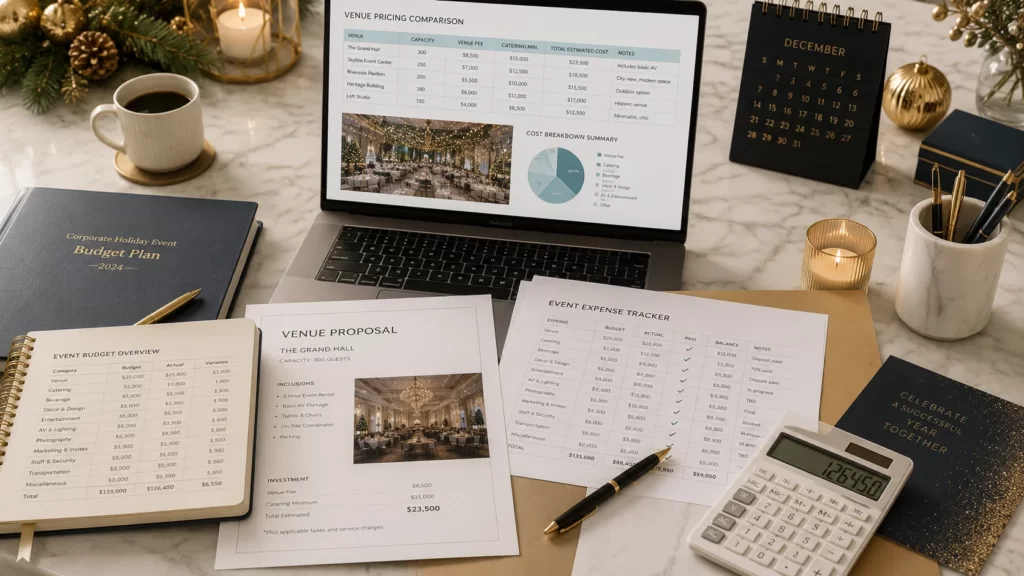
The advertised rental fee rarely tells the whole story. Many venues charge additional fees that aren’t immediately obvious during initial discussions.
Before signing a contract, ask whether these costs apply:
- Service charges
- Administrative fees
- Cleaning fees
- Security personnel
- Valet parking
- Coat check
- Cake cutting fees
- Vendor access charges
- Overtime fees
- Equipment rentals
- Holiday surcharges
- Early setup or late teardown fees
Understanding these costs upfront prevents unpleasant surprises after your event.
Pro Tip
Request a complete itemized estimate instead of relying on a summary quote. Itemized pricing allows you to compare venues fairly and identify opportunities to reduce costs by removing unnecessary services or negotiating package inclusions.
When Should You Book a Corporate Holiday Party Venue?
Timing is one of the most overlooked factors in successful event planning. Many of the most sought-after corporate holiday party venues begin accepting reservations nearly a year in advance, and prime dates in November and December often sell out quickly.
If your company waits too long, you’ll likely have fewer venue choices, higher rental costs, and limited availability for preferred vendors. Building a realistic planning timeline helps secure better venues while giving your team more flexibility throughout the planning process.
If you’re unsure whether to manage the planning internally, reviewing how much it costs to hire a corporate event planner can help you determine whether professional support is worthwhile, especially for large or multi-location celebrations.
Recommended Booking Timeline

| Time Before Event | Tasks |
|---|---|
| 9–12 Months | Establish budget, define goals, research venues |
| 8–10 Months | Tour venues and request proposals |
| 6–8 Months | Sign contracts and secure preferred date |
| 5–6 Months | Book entertainment and photographers |
| 3–4 Months | Finalize menu and décor concepts |
| 2 Months | Confirm guest list and vendors |
| 1 Month | Final venue walkthrough |
| 1 Week | Confirm timelines with every vendor |
Companies planning celebrations for more than 300 guests should consider starting even earlier, particularly if they expect attendees to travel.
Peak Booking Season
Holiday venue demand typically increases during:
- Late November
- Early December
- Thursdays
- Fridays
- Saturday evenings
Booking events on weekdays, Sunday afternoons, or earlier in the holiday season often results in lower rental fees and greater venue availability.
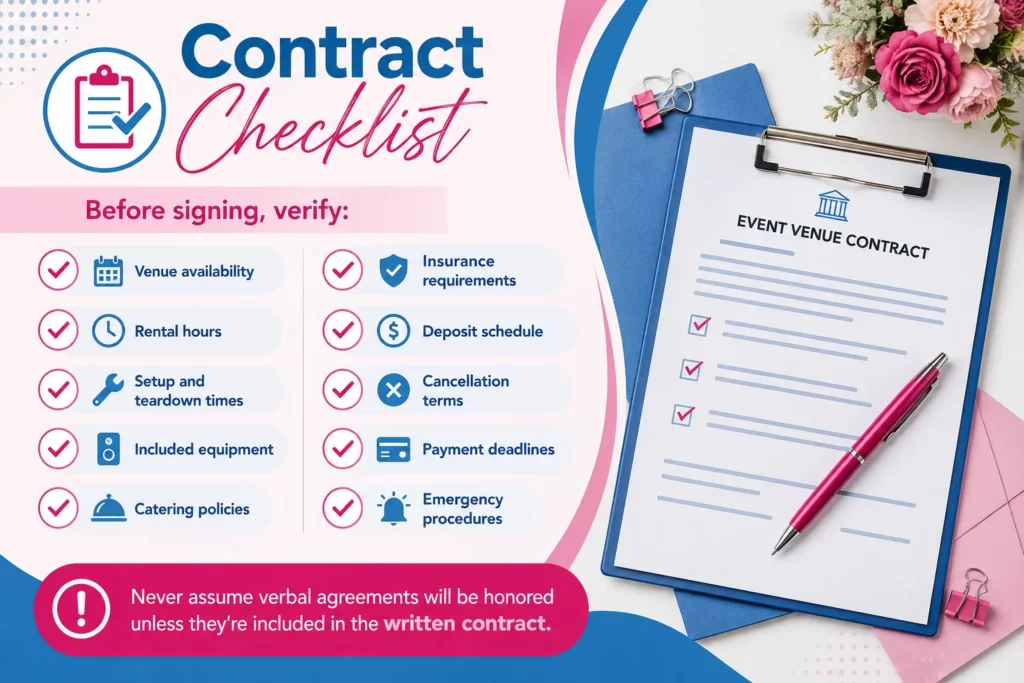
Questions to Ask Before Signing a Venue Contract
A beautiful venue means very little if the contract doesn’t protect your company. Before committing to any location, review every detail carefully to avoid misunderstandings later.
Important questions include:
- What exactly is included in the rental fee?
- Are tables, chairs, linens, and dinnerware provided?
- Are there food and beverage minimums?
- Can outside vendors be used?
- Is event insurance required?
- What is the cancellation policy?
- When is the final guest count due?
- What happens if attendance changes?
- Are overtime charges billed hourly?
- What parking options are available?
Companies comparing multiple proposals often benefit from understanding event planners vs. coordinators because experienced professionals can identify contract terms that may otherwise be overlooked during negotiations.
Expert Tip
Ask the venue to clarify every fee in writing—even if it seems obvious. Small details such as setup access times, staffing levels, corkage fees, or audiovisual support can significantly affect your final invoice. A transparent contract protects both your company and the venue while making expectations clear from the start.
If you’re still comparing proposals, reviewing event space costs one final time can help ensure you’re evaluating every venue using the same pricing criteria rather than relying solely on advertised rental rates.
10 Common Mistakes to Avoid When Booking Corporate Holiday Party Venues
Even experienced event planners can overlook small details that lead to larger problems later. Avoiding these mistakes can save your company money while creating a smoother experience for guests.
1. Waiting Too Long to Book
The best corporate holiday party venues are often reserved months in advance. Delaying your decision reduces availability and may increase rental costs.
2. Choosing a Venue Based Only on Appearance
An impressive ballroom doesn’t guarantee a successful event. Capacity, technology, accessibility, and guest flow are often more important than aesthetics.
3. Ignoring Hidden Fees
Always request an itemized proposal before signing. Comparing event space costs helps identify unexpected expenses such as service charges, setup fees, overtime, or mandatory staffing.
4. Underestimating Guest Count
Booking a venue that’s too small creates congestion, while an oversized venue can reduce the overall atmosphere.
5. Not Visiting the Venue
Photos rarely tell the full story. Tour the venue whenever possible to evaluate lighting, parking, accessibility, acoustics, and guest flow.
6. Forgetting Technology Requirements
Presentations, awards ceremonies, and entertainment often require microphones, projectors, lighting, and reliable Wi-Fi.
7. Overlooking Accessibility
Ensure every guest can comfortably access entrances, restrooms, dining areas, and event spaces.
8. Skipping Contract Details
Review every clause carefully. Companies often benefit from understanding event planners vs. coordinators because experienced professionals frequently identify contractual details that internal teams might overlook.
9. Trying to Do Everything Internally
Large events require significant coordination. Reviewing how much it costs to hire a corporate event planner can help determine whether professional assistance will save time and reduce stress.
10. Forgetting the Guest Experience
The venue should feel comfortable, welcoming, and enjoyable—not just functional. Consider the event from your guests’ perspective rather than focusing exclusively on logistics.
Conclusion
Finding the perfect corporate holiday party venue isn’t about selecting the most expensive space—it’s about choosing one that aligns with your company’s goals, budget, and guest expectations. By defining your objectives early, comparing venue types, planning your budget carefully, and reviewing every contract in detail, you can create a celebration that recognizes your team’s accomplishments while leaving a lasting impression on employees, clients, and partners.
Whether you’re planning an intimate executive dinner or a company-wide holiday gala, taking a structured approach to venue selection will help you avoid common mistakes and make informed decisions every step of the way. As you continue planning, understanding event space costs, evaluating event planners vs. coordinators, and exploring how much it costs to hire a corporate event planner can provide additional insights that support a successful and stress-free event.
Frequently Asked Questions
What are the best corporate holiday party venues? ▾
The best venue depends on your event goals, budget, and guest experience. Hotel ballrooms work well for formal galas, restaurants are ideal for smaller gatherings, while rooftops, wineries, museums, and historic venues provide memorable alternatives for companies looking to create unique experiences.
How far in advance should I book a corporate holiday party venue? ▾
Most companies should begin researching venues 9 to 12 months in advance, especially for November and December events when demand is highest.
How much does a corporate holiday party venue cost? ▾
Costs vary depending on venue type, city, guest count, and included services. Reviewing event space costs provides a better understanding of typical pricing and helps establish a realistic planning budget.
Should I hire an event planner? ▾
For large celebrations, multi-day programs, or executive events, professional planning can simplify logistics and reduce stress. Understanding how much it costs to hire a corporate event planner allows you to decide whether the investment aligns with your event goals.
What should be included in a venue contract? ▾
A contract should clearly outline rental hours, pricing, deposits, payment schedules, cancellation terms, included equipment, catering policies, insurance requirements, overtime fees, and vendor restrictions.
Compare vendors for your next event
Search caterers, photographers, florists, planners, and rentals — then send one request to several vendors at once.