TL;DR
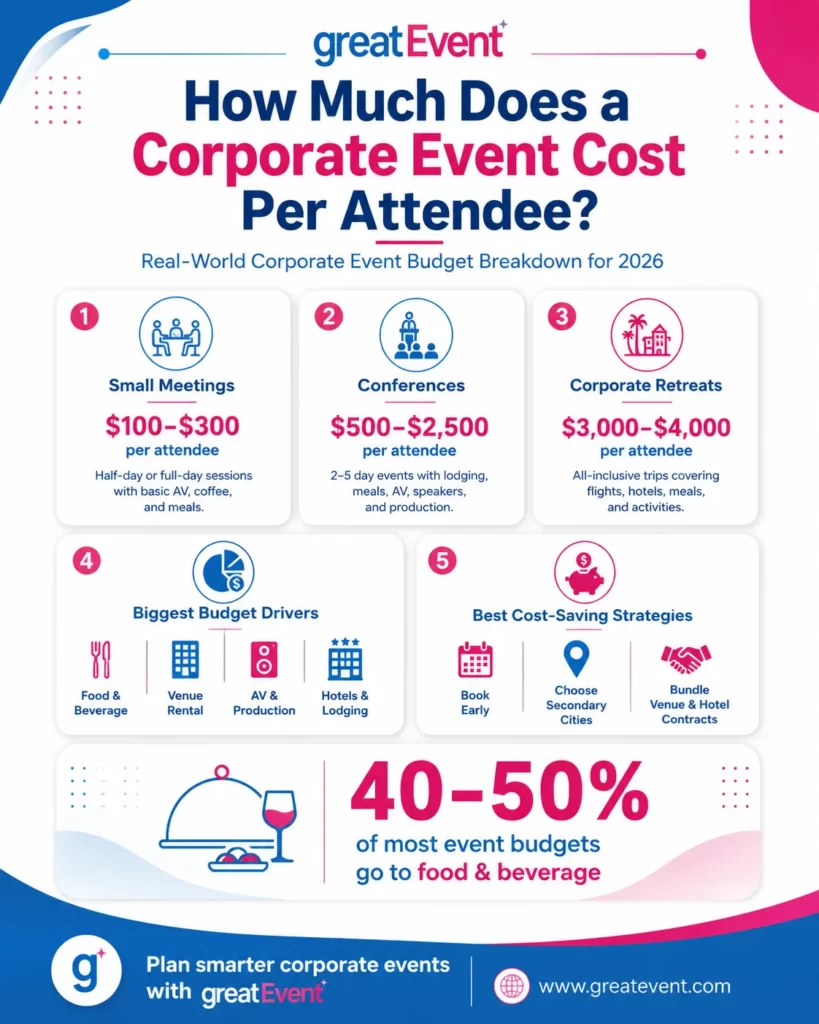
Most corporate events cost between $100 and $4,000 per attendee depending on event type, duration, travel, and city. Small internal meetings typically range from $100–$300 per person, while multi-day conferences land between $500–$2,500. Corporate retreats with flights and lodging included can exceed $3,000 per attendee. Food, venue rental, and AV production remain the biggest budget drivers, but strategic planning can reduce costs significantly without hurting the guest experience.
Budgeting per attendee?
Compare corporate venues near you
See capacity and pricing side by side before you build the budget.
How Much Does a Corporate Event Cost Per Attendee? A Planner’s Real-World Breakdown
A CFO leans across the conference table and asks the question every planner eventually hears:
“So… what’s this going to cost us per person?”
The answer is never one neat number.
A quick internal strategy session in Houston may cost less than a team dinner in Manhattan during peak season. Meanwhile, a three-day conference with hotel blocks, staging, and speakers can swing hundreds of dollars per attendee depending on the city and venue availability.
That’s why understanding how much does a corporate event cost per attendee matters before contracts get signed. Companies today are scrutinizing budgets harder than ever, especially as catering, labor, and hotel pricing continue climbing across the U.S.
Whether you’re planning a leadership retreat, annual sales kickoff, client summit, or company-wide conference, understanding the real math behind event pricing helps you avoid budget surprises later.
Platforms like greatEvent help planners compare venues, vendors, and meeting spaces faster — which becomes especially important when venue pricing can shift 20–40% simply based on city and seasonality.
Let’s break down where the money actually goes.
What Does a Corporate Event Cost Per Attendee by Event Type?
Small Corporate Meetings (10–50 Attendees)
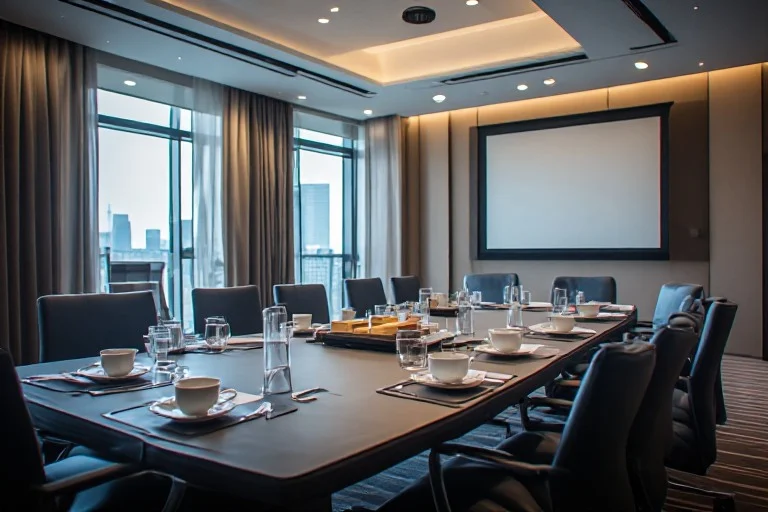
Typical Cost: $100–$300 per person
These are usually half-day or full-day meetings held inside hotels, coworking venues, or conference centers.
A straightforward setup often includes:
- Meeting room rental
- Coffee service
- Basic AV package
- Working lunch
- Wi-Fi access
A recent 30-person sales kickoff booked at a midtown property came to roughly $116 per attendee with:
- Coffee on arrival
- Basic projection package
- Sandwich lunch
- Four-hour room rental
The number jumped close to $180 per person after:
- Adding hot breakfast
- Upgraded coffee stations
- Additional afternoon break
- Extended room access
One hidden cost many teams miss? AV markups.
Hotels frequently advertise affordable meeting rooms, then charge separately for:
- Screens
- Projectors
- Microphones
- Extension cords
- Onsite technicians
This is where understanding how much do event planners charge becomes important because experienced planners often negotiate these extras before contracts are finalized.
Multi-Day Conferences (200+ Attendees)
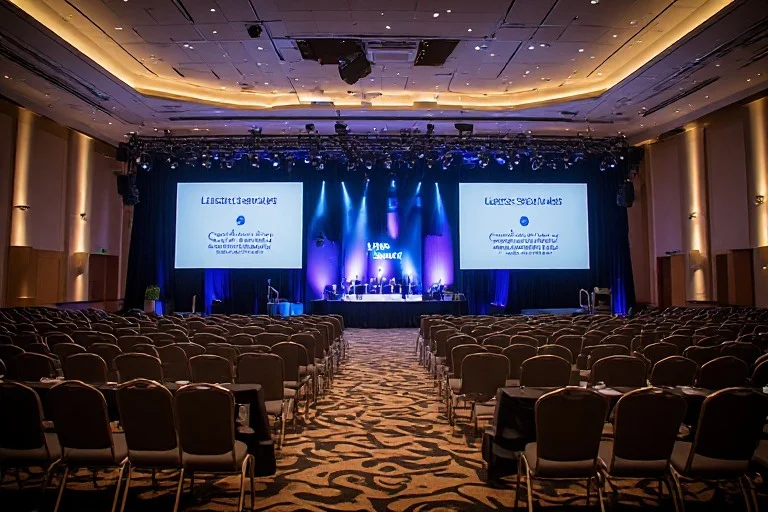
Typical Cost: $500–$2,500 per person
This category has the widest pricing range because “conference” can mean:
- A modest educational summit
- A branded customer event
- A large-scale industry conference
- A heavily produced leadership experience
Entry-Level Conference
$500–$800 per attendee
Usually includes:
- Basic venue
- Limited catering
- Minimal stage production
- Standard breakout rooms
Mid-Range Conference
$800–$1,500 per attendee
Includes:
- Enhanced AV
- Better catering
- Evening reception
- Professional staging
- Speaker support
- Branded materials
Premium Conference
$1,500–$2,500+ per attendee
These events often feature:
- Celebrity speakers
- Multi-camera production
- LED walls
- Luxury hotels
- Open bars
- Concierge experiences
For many planners, once a conference crosses the 300-attendee mark, production complexity increases dramatically.
According to multiple industry reports from Cvent and American Express Meetings & Events, planners continue reporting rising spend on catering, labor, and hybrid event technology heading into 2026.
Large Conferences (500–1,000+ Attendees)
Typical Cost: $600–$900 per attendee
At scale, certain expenses become more efficient:
- Speaker fees spread across larger audiences
- Registration software costs flatten
- Marketing assets scale better
But other costs surge quickly:
- Venue minimums
- Ballroom buyouts
- Union labor
- Security
- Crowd management
A realistic two-day conference for 500 attendees in Chicago or San Francisco with lodging included can easily reach $700–$800 per person.
Food and venue alone often consume 60–70% of the total budget.
Pro Tip
Book large conferences 9–12 months in advance. Premium conference inventory disappears fast in cities like Miami, Las Vegas, and New York during peak convention seasons.
If you’re still comparing space options, researching event venues in Washington DC can help benchmark pricing expectations against major U.S. markets.
Corporate Retreat and Offsite Costs

Typical Cost: $3,000–$4,000 per attendee
Retreats are different because companies usually cover:
- Flights
- Hotels
- Meals
- Activities
- Transportation
- Facilitation
A three-night domestic resort retreat for 50 attendees recently landed around $2,700 per person.
An international executive offsite for 20 leadership attendees exceeded $3,800 per attendee after adding:
- International airfare
- Luxury accommodations
- Executive facilitation
- Premium dining experiences
Budget distribution usually looks like this:
| Expense Category | Typical Share |
|---|---|
| Lodging | 30–35% |
| Flights & Transportation | 20% |
| Food & Beverage | 20% |
| Activities & Experiences | 15% |
| Facilitation & Staffing | 10–15% |
Companies increasingly prioritize experience-focused retreats because retention and company culture have become measurable business priorities after remote-work expansion.

Where the Money Actually Goes
Understanding budget allocation helps planners quickly identify overpriced quotes.
| Budget Category | Typical Share | Estimated Per Person ($300 Event) |
| Food & Beverage | 40–50% | $100–$150 |
| Venue Rental | 20–25% | $60–$75 |
| AV & Production | 10–15% | $30–$45 |
| Staffing & Security | 5–10% | $10–$30 |
| Event Technology | 3–5% | $5–$20 |
| Decor & Branding | 5–10% | $15–$30 |
| Insurance & Permits | 1–3% | $5–$10 |
| Contingency | 10–15% | $20–$45 |
Food & Beverage

This remains the single largest expense.
Typical pricing:
- Coffee break: $5–$15 per person
- Buffet lunch: $35–$65
- Plated dinner: $75–$180
- Open bar packages: $35–$120+
Beverage costs quietly destroy budgets faster than almost anything else.
Insider Tip
Switching from full open bars to drink-ticket systems can reduce evening reception costs by 20–35% without hurting attendee satisfaction.
Venue Rental Costs
Venue pricing varies wildly by:
- City
- Season
- Day of week
- Venue demand
- Event size
Downtown Manhattan, San Francisco, and Miami consistently command premium pricing.
Meanwhile, secondary markets like:
- Columbus
- Phoenix
- Houston
- Nashville
often reduce venue and hotel spend by 20–40%.
Companies searching for alternatives to expensive downtown conference hotels increasingly explore flexible spaces similar to club house rental near me options for smaller corporate gatherings and networking events.
Sample Corporate Event Budgets by Attendance Size
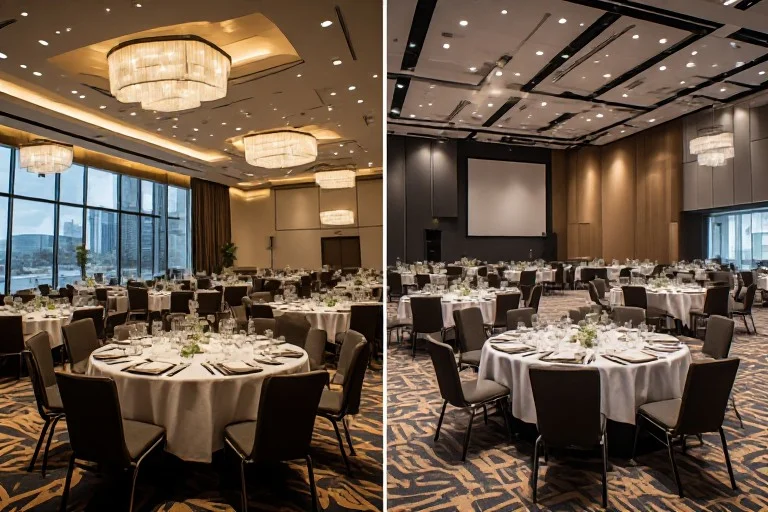
Below is a realistic mid-range pricing comparison for two-day events.
| Category | 50 Attendees | 200 Attendees | 1,000 Attendees |
| Venue Rental | $45 | $80 | $50 |
| Catering | $105 | $140 | $130 |
| AV & Production | $30 | $100 | $80 |
| Staffing & Security | $15 | $20 | $10 |
| Speakers | $36 | $50 | $5 |
| Travel & Lodging | — | $300 | $300 |
| Transportation | — | $5 | $5 |
| Event Technology | $10 | $10 | $5 |
| Marketing & Registration | $15 | $2 | $5 |
| Decor & Branding | $15 | $10 | $5 |
| Insurance & Permits | $6 | $2 | $5 |
| Contingency | $23 | $20 | $10 |
| Total Per Attendee | $300 | $739 | $610 |
Notice how the 1,000-person conference actually costs less per attendee than the 200-person event.
That’s the advantage of scale.
Fixed expenses like keynote speakers, registration systems, and stage builds become more efficient when spread across larger audiences.
Biggest Cost Drivers That Affect Corporate Event Pricing
1. City Selection
Location remains the single largest pricing lever.
A corporate conference in:
- Manhattan
- San Diego
- Miami
- Chicago
can cost dramatically more than the same event in:
- Dallas
- Charlotte
- Columbus
- Denver
Even moving dates by a few weeks can save tens of thousands.
2. Hotel Inventory
When cities host:
- Major conventions
- Sporting events
- Festivals
- Trade shows
hotel pricing spikes rapidly.
Always check local event calendars before locking dates.
3. Headcount Accuracy
Every extra attendee impacts:
- Catering
- Seating
- Transportation
- Staffing
- Registration
- Materials
Overestimating by 50 attendees can quietly add tens of thousands to a budget.
Using organized RSVP systems like ge invite helps planners maintain more accurate guest forecasting and registration management.
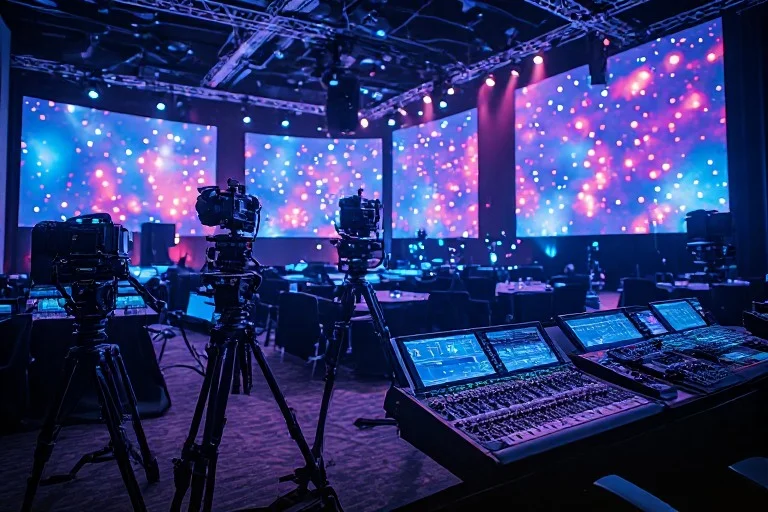
4. AV Complexity
Simple presentations stay manageable.
But costs climb rapidly with:
- Live streaming
- IMAG cameras
- LED walls
- Simultaneous breakout recording
- Hybrid event platforms
Keeping production streamlined is one of the easiest ways to control spending.
How to Reduce Corporate Event Costs Without Hurting the Experience
Here are the strategies planners consistently use to lower per-attendee costs:
Bundle Venue + Hotel Contracts
Combined negotiations almost always outperform separate agreements.
Book Earlier
The closer you get to the event date, the less leverage you have.
Use Secondary Markets
This single decision can cut costs by 20–40%.
Simplify Food Service
Buffets and limited beverage programs reduce waste.
Keep Headcounts Tight
Every “maybe attendee” has real financial impact.
Protect Your Contingency
A 10–15% reserve prevents last-minute surprises from wrecking the budget.
Pro Tip
The events that stay on budget are rarely the cheapest. They’re the ones with the clearest planning process and the fewest late-stage surprises.
Companies researching broader event planning costs also compare related expenses like how much do party planners charge when budgeting mixed-format corporate celebrations and employee appreciation events.
Final Thoughts
Corporate event pricing has never been more dynamic.
Rising labor costs, hotel demand, inflation, and attendee expectations all continue pushing budgets upward. But the biggest factor still comes down to planning decisions made early:
- City
- Timing
- Venue selection
- Production complexity
- Headcount discipline
The good news? Smart planning protects both the attendee experience and the budget.
Whether you’re organizing a leadership summit, company retreat, annual conference, or client-facing event, working with vetted venues and trusted vendors can dramatically reduce both cost overruns and planning stress.
Explore curated meeting venues, event spaces, and vendor options through about us or reach out through contact us to start planning your next corporate event with confidence.
Ready to plan?
Find a venue that fits your per-person budget
Browse corporate meeting venues near you and request quotes.
Compare vendors for your next event
Search caterers, photographers, florists, planners, and rentals — then send one request to several vendors at once.