TL;DR — Quick Checklist Before You Book
- Define your event type, budget, and guest count
- Match venue style with your event experience
- Verify real capacity and layout flexibility
- Review contracts, deposits, and cancellation terms
- Confirm amenities, AV setup, catering, and logistics
- Plan vendors, staffing, and safety requirements
- Compare venues efficiently using greatEvent
Introduction: Why Choosing the Right Hall Matters
Selecting the right venue is more than just finding availability—it is about choosing a space that aligns with your event goals, logistics, and guest expectations. Whether you are searching for halls to rent near me for a celebration or comparing event space rental options for a corporate function, your choice directly impacts the entire experience.
Many people begin with a simple search like rent a hall near me, but proximity alone is not enough. Factors like layout, amenities, contracts, and vendor flexibility play a much bigger role in execution.
If you are planning an engagement event, understanding cost responsibilities early can guide your venue selection. This guide on who pays for an engagement party offers useful context before booking.
This checklist will help you evaluate venues strategically and make confident decisions.
What Should You Consider Before Booking an Event Hall?
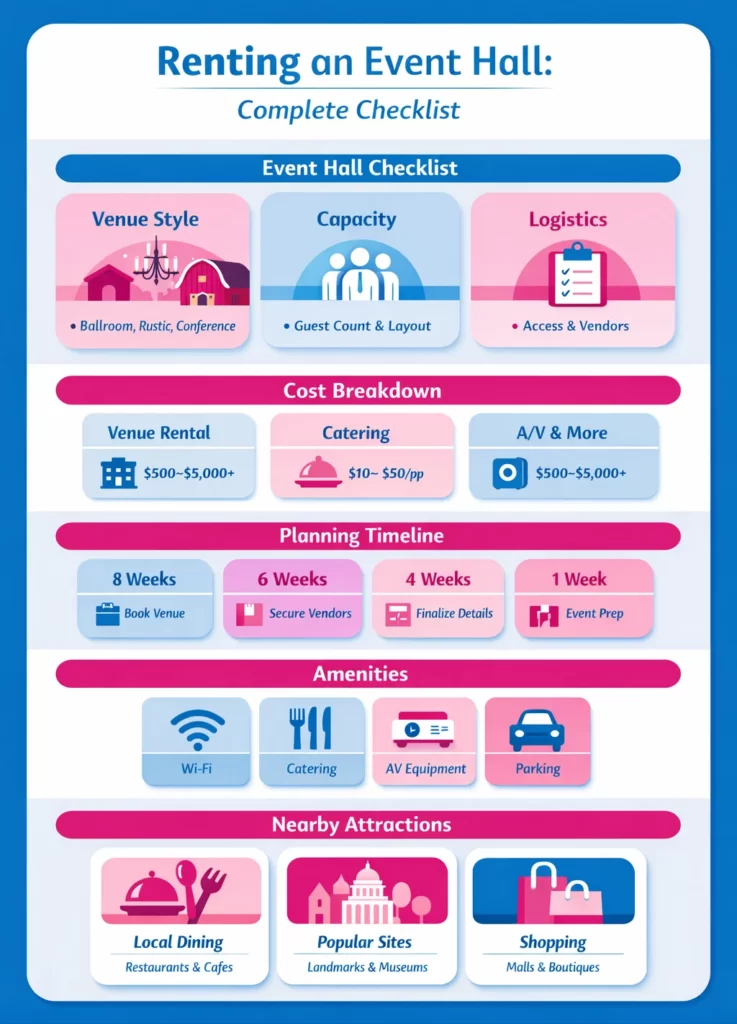
1. Venue Style and Ambiance
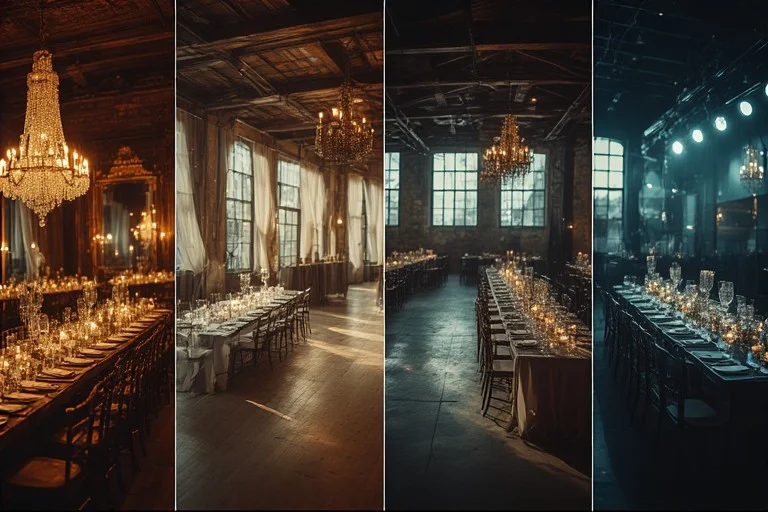
The venue sets the tone for your entire event. A ballroom creates a formal atmosphere, while rustic or outdoor venues feel more relaxed. Conference halls are ideal for professional gatherings, while banquet halls offer flexibility for social events.
If you are exploring flexible formats, considering options like pop-up party venues can give you more control over timing and customization.
Always check whether the venue allows décor flexibility, branding, and customization, and whether fixed elements limit your vision.
2. Capacity and Layout Accuracy

Capacity is not just a number—it is about comfort and usability. Always confirm legal occupancy limits and test different layouts such as banquet or theater seating.
A venue that technically fits your guest list may still feel cramped depending on setup.
If you are planning a celebration, understanding budget alongside guest size is important. This breakdown of birthday party planner charges helps align expectations.
3. Floor Plan and Space Utilization

A detailed floor plan ensures smooth execution. It helps you visualize movement, seating arrangements, and vendor placement.
Check entry and exit points, restrooms, stage areas, and dining sections. Efficient layouts improve guest experience and prevent congestion.
4. Rental Duration and Access
Clarify how long you have access to the venue, including setup and teardown time. Limited access can disrupt vendor coordination and increase pressure on the event day.
Also confirm overtime policies and additional charges.
5. Included Amenities
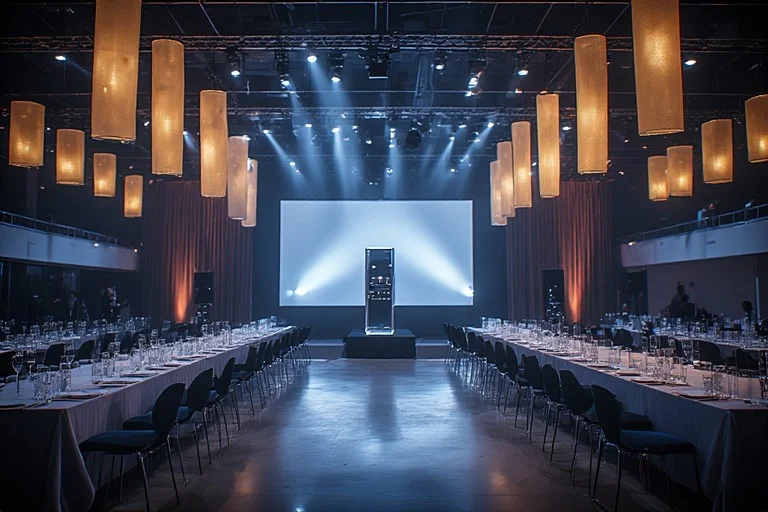
Venues vary widely in what they include. Some offer full-service packages, while others provide only the space.
Confirm whether seating, linens, air conditioning, cleaning services, and basic AV equipment are included.
6. Permits and Insurance Requirements
Most venues require liability insurance and may need permits for alcohol, sound, or occupancy.
Handling these early ensures compliance and avoids last-minute issues.
What Should Be Included in the Venue Contract?
Contracts define your financial and legal responsibilities. Always review them carefully.
Key elements include deposit structure, payment schedules, cancellation policies, overtime fees, and liability clauses. A force majeure clause is essential for handling unexpected situations.
What Logistics Should You Plan For?
Parking and Transportation
Ensure there is sufficient parking or nearby alternatives for guests. Vendor parking should also be considered.
If you are planning in a competitive location, reviewing trends such as events in Washington DC 2026 can help you understand demand and availability.
Load-In and Load-Out
Check for vendor-friendly access points, loading docks, and elevators if required.
Power and Internet
Make sure the venue supports lighting, DJ equipment, catering setups, and internet needs without issues.
HVAC and Comfort
Proper ventilation and climate control are critical, especially for large gatherings.
Catering and Kitchen Access
Clarify whether the venue provides a full kitchen or prep space, and whether outside catering is allowed. Also confirm corkage fees if applicable.
Alcohol Policy
Understand whether the venue offers in-house bar services or allows external vendors. Licensing requirements should be clearly defined.
What Technical Setup Do You Need?
Confirm availability of microphones, speakers, lighting systems, and display equipment.
Some venues require in-house AV services, which can affect both cost and flexibility.
How Do You Ensure Safety and Accessibility?
Ensure the venue meets accessibility standards and includes emergency exits and fire safety systems.
For larger events, consider security staff, crowd management, and first-aid readiness.
What Vendors and Staffing Should You Plan?

Events require coordination between multiple vendors including catering, décor, photography, and entertainment.
Staffing such as coordinators, security, and cleaning crews ensures smooth execution. To understand budgeting for professional help, refer to event planner pricing guide.
How Much Does It Cost to Rent an Event Hall?

Understanding pricing is essential when comparing event space rental options. Costs vary depending on location, capacity, and included services.
Typical Cost Breakdown
| Expense | Low | Mid | High |
|---|---|---|---|
| Venue Rental | $500 | $2,000 | $5,000+ |
| Security | $15/hr | $30/hr | $50+/hr |
| Cleaning | $100 | $300 | $500+ |
| Insurance | $200 | $500 | $1,000+ |
| AV Setup | $500 | $1,500 | $5,000+ |
| Catering | $10/pp | $30/pp | $50+/pp |
Many people searching for rent a hall near me focus only on base pricing, but additional costs can significantly increase the total. This guide on event space costs and party venues provides deeper insights.
How Do You Negotiate the Best Deal?
Negotiation is about maximizing value, not just reducing cost.
Identify priorities, ask for bundled inclusions, and consider off-peak bookings. Always ensure pricing transparency and avoid agreements with unclear terms.
What Is the Ideal Event Planning Timeline?
A structured timeline keeps planning organized:
- 8 weeks: Book venue and pay deposit
- 6–7 weeks: Secure vendors and permits
- 4 weeks: Finalize logistics
- 2 weeks: Confirm arrangements
- 1 week: Conduct walkthrough
How to Choose the Right Venue Quickly?
When searching for halls to rent near me, it is easy to feel overwhelmed by too many options. A structured approach simplifies the process.
- Define your event type
- Estimate guest count
- Set your budget
- Match venue style
- Evaluate logistics
Instead of relying only on searches like rent a hall near me, exploring curated listings such as event venues in DC helps you compare multiple event space rental options efficiently. You can also discover unique spaces through hidden gem venues in Washington DC.
Why Use greatEvent for Booking Your Hall?

With greatEvent, you can simplify your search for halls to rent near me by filtering venues based on budget, capacity, and event type.
Instead of manually comparing scattered event space rental listings, the platform allows you to evaluate options in a structured way.
If you are planning a wedding, browsing curated options like unique wedding venues in Washington DC can help you discover standout locations.
For direct assistance, visit the greatEvent contact page. Once your event is finalized, you can streamline invitations using the GE Invite tool.
Final Thoughts
Choosing the right event hall is a strategic decision that influences every aspect of your event. From logistics to guest experience, the venue acts as the foundation.
By following this checklist and using the right tools, you can confidently move from searching halls to rent near me to booking a venue that truly fits your needs.
Frequently Asked Questions
What is the most important factor when choosing a venue? ▾
Capacity, layout, and logistics are the most important factors.
How far in advance should I book a venue? ▾
Ideally 6–8 weeks in advance, or earlier during peak seasons.
Can I bring my own vendors? ▾
This depends on the venue. Always confirm vendor policies before booking.
Do I need event insurance? ▾
Yes, most venues require liability insurance.
How do I find the best halls to rent near me? ▾
Start by defining your requirements and then compare event space rental options using structured platforms instead of relying only on basic search results.
Compare vendors for your next event
Search caterers, photographers, florists, planners, and rentals — then send one request to several vendors at once.