Hybrid Event Venues: The Complete Guide to Choosing the Right Space for Corporate Networking & Business Events
TL;DR
Selecting the right hybrid event venue goes beyond choosing an attractive location. The best venues combine flexible layouts, reliable technology, professional audiovisual capabilities, comfortable networking spaces, and excellent guest experiences. This guide explains how to evaluate venues, compare venue types, avoid common mistakes, and create successful corporate networking mixers and hybrid business events.
A successful corporate event starts long before the first guest checks in. It begins with selecting a venue that supports your event goals, your audience, and the experience you want every attendee to have.
Today’s business events are no longer limited to a room full of guests listening to presentations. Organizations frequently host executive networking mixers, client appreciation events, product launches, leadership summits, training sessions, and company meetings that combine in-person participation with live streaming for remote employees, partners, and clients. These events require more than a beautiful ballroom—they require Hybrid Event Venues that seamlessly integrate hospitality, technology, and collaboration.
The right venue influences how easily people connect, how effectively presenters communicate, and how professionally your brand is perceived. A flexible floor plan encourages conversations, dependable internet keeps virtual attendees connected, and thoughtful amenities help create an event people remember for the right reasons.
Whether you’re planning a networking reception for local professionals or evaluating event venues in Washington DC for a regional conference, understanding what separates an average venue from an exceptional one can help you avoid costly mistakes and create a more engaging experience for everyone involved.
Why Choosing the Right Hybrid Event Venue Matters
Many planners focus on rental costs, capacity, or location, but those are only part of the decision. The right hybrid event venue shapes the entire attendee experience—from networking and presentations to live streaming and event logistics.
A great venue supports:
- Guest interaction
- Reliable event technology
- Effective networking
- Smooth vendor coordination
- Quality food and beverage service
- Strong brand presentation
Even a beautiful venue can fall short if poor acoustics, weak internet, or overcrowded layouts disrupt the event. The best hybrid event venues balance technology, functionality, and guest experience to create a seamless event for both in-person and virtual attendees.
If your event also includes outside planners or consultants, understanding how much do event planners charge can help you build a realistic planning budget before comparing venue proposals.
The Evolution of Corporate Events
Corporate events have evolved to connect both in-person and virtual audiences. As remote work has become more common, businesses are increasingly choosing hybrid events that combine face-to-face networking with online participation.
Today’s venues need to offer more than meeting space. They should provide:
- Reliable live streaming
- Flexible event layouts
- Interactive networking opportunities
- Strong internet and AV technology
- Professional presentation spaces
The best hybrid event venues create engaging experiences for both in-person and virtual attendees, ensuring everyone can actively participate throughout the event.
Expert Insight
Hybrid events succeed when the venue is designed for two audiences simultaneously—the people inside the room and the people watching from anywhere in the world. Every layout, technology, and staffing decision should improve the experience for both groups.
What Makes Hybrid Event Venues Different?
Not every venue with Wi-Fi is ready for a hybrid event. A true hybrid event venue combines modern event technology with flexible spaces that support both in-person attendees and virtual participants.
Key features include:
- Dedicated high-speed internet
- Venue-wide Wi-Fi
- Professional AV and sound systems
- Multiple presentation screens
- Flexible seating layouts
- Camera-friendly lighting
- Dedicated production space
- On-site technical support
These features help deliver smooth presentations, reliable live streaming, and an engaging experience for both in-person and remote audiences.
Guest Experience Should Always Come First
Technology is important, but the guest experience is what attendees remember most. A successful event should feel welcoming, comfortable, and easy to navigate.
Ask yourself:
- Was registration quick and organized?
- Could guests network comfortably?
- Were speakers easy to hear?
- Were food and beverage stations convenient?
Features like wide walkways, lounge seating, cocktail tables, and well-placed refreshment stations encourage natural conversations and create a more engaging networking experience.
For organizers planning receptions, appreciation events, or informal business gatherings, understanding the typical costs of renting a place for a party can also help compare venue packages and identify the best overall value.
Think Beyond Maximum Capacity
Don’t choose a venue based only on its maximum occupancy. A room that’s too large can feel empty, while one that’s too small may become crowded once staging, catering, sponsor booths, and production equipment are added.
Instead, consider:
- Can guests move around comfortably?
- Is there enough space for networking?
- Can production equipment be set up efficiently?
- Are sponsor displays well accommodated?
- Does the layout support both presentations and networking?
Evaluating how the space functions—not just how many people it holds—will help you choose a venue that better supports your event goals.
When invitations begin going out, having a clear understanding of RSVP meaning and response tracking can also improve attendance forecasting, helping you choose a venue that’s appropriately sized instead of relying on rough estimates.
How to Evaluate a Hybrid Event Venue for Networking Success
A successful hybrid event depends on more than just an attractive venue. Layout, technology, guest flow, and amenities all work together to create a smooth and engaging experience.
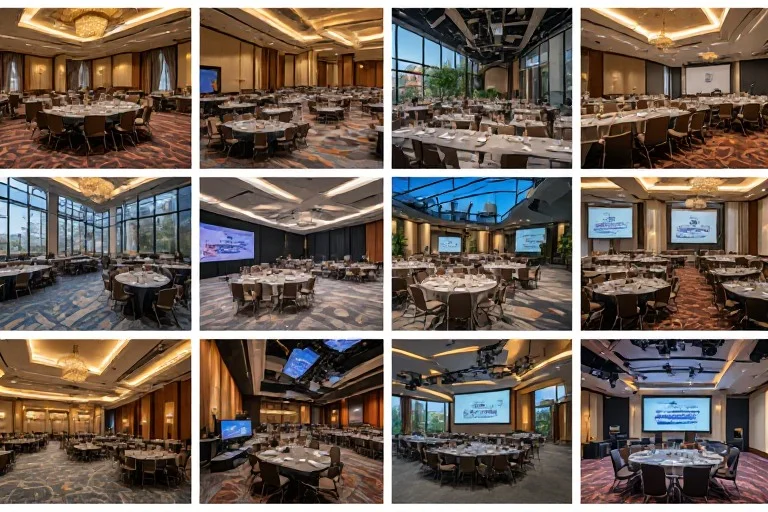
When comparing Hybrid Event Venues, go beyond online photos. Schedule a site visit, walk through the space as your guests would, and evaluate how the venue performs for both networking and live presentations.
Here are the key factors to consider before making your final decision.
Choose a Layout That Encourages Movement
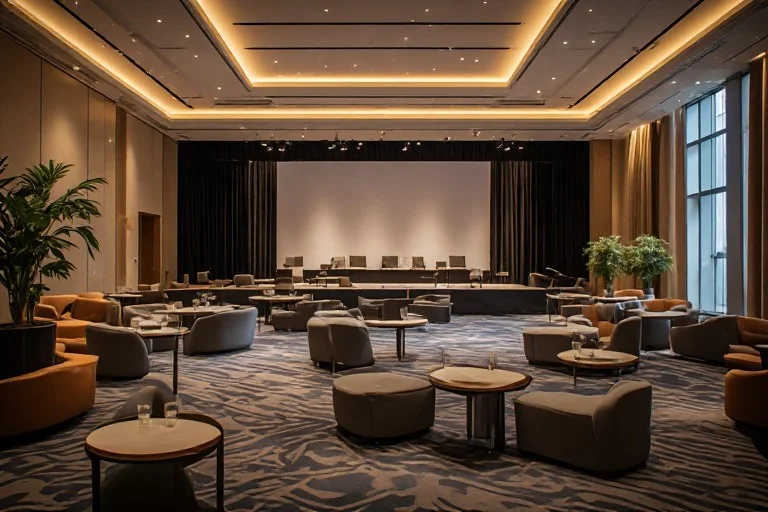
A well-designed layout encourages guests to network naturally instead of staying in one place. Open floor plans with flexible spaces make it easier for attendees to move between conversations, refreshments, and presentations.
When touring a venue, consider:
- Is the registration area easy to access?
- Can guests move comfortably throughout the space?
- Are networking areas easy to find?
- Will food stations create congestion?
- Is there enough room for sponsors or exhibitors?
A venue with good traffic flow creates more opportunities for meaningful conversations and a better overall guest experience.
Design Multiple Networking Zones
Creating dedicated networking areas helps guests connect more naturally while keeping the event organized. Instead of using one large open space, divide the venue into smaller zones with a specific purpose.
Examples include:
- Welcome and registration area
- Networking lounge
- Coffee station
- Cocktail tables
- Sponsor showcase
- Product demonstration area
- Quiet meeting space
- Photo backdrop
- Presentation stage
This layout encourages attendees to explore the venue, start conversations, and prevents overcrowding in any one area.
For organizations considering different venue sizes, comparing rental halls near me can provide a useful benchmark for available layouts, pricing, and included amenities before narrowing down a shortlist.
Conversation-Friendly Acoustics Matter
Good acoustics are essential for productive networking. If guests have to raise their voices to be heard, conversations become uncomfortable and engagement suffers.
When visiting a venue, check for:
- High ceilings that create echoes
- Hard surfaces that reflect sound
- Noise from kitchens, bars, or nearby traffic
- Loud HVAC systems
Venues with carpeting, acoustic panels, or soft furnishings usually provide a quieter environment. Background music should enhance the atmosphere without making conversations difficult.
Lighting Supports Both Networking and Live Streaming
Lighting plays a key role in both the in-person and virtual event experience. It creates a welcoming atmosphere, improves visibility, and helps presentations look professional on camera.
Look for venues that offer:
- Adjustable lighting controls
- Warm ambient lighting
- Even stage illumination
- Accent lighting for branding
- Minimal screen glare
- Consistent color temperature
Natural daylight is a bonus for daytime events, but blackout shades are useful when presentations or live streaming require better lighting control.
Expert Tip
Ask venue staff to switch between daytime, presentation, dinner, and networking lighting scenes during your site visit. This provides a realistic picture of how the venue will look throughout the event instead of relying on staged marketing photos.
Flexible Furniture Encourages Better Networking
The right furniture layout can make networking more comfortable and engaging. Instead of fixed classroom seating, choose venues that offer flexible furniture arrangements to encourage movement and conversation.
Look for options such as:
- High-top cocktail tables
- Lounge seating
- Café tables
- Soft sofas
- Standing conversation areas
- Modular furniture
- Mobile staging
Also, ask whether furniture setup and layout changes are included in the venue rental, as additional setup fees can impact your event budget.
If you’re comparing different venue packages, understanding event planner fees alongside venue costs can help create a more accurate event budget.
Food and Beverage Should Encourage Networking
Food and beverage stations should make it easier for guests to connect, not create long lines. Placing multiple refreshment areas throughout the venue encourages movement and helps conversations happen naturally.
Consider offering:
- Passed appetizers
- Multiple beverage stations
- Coffee bars
- Dessert displays
- Grab-and-go snacks
- Interactive food stations
Before booking a venue, ask:
- Is outside catering allowed?
- Are there food and beverage minimums?
- Can dietary restrictions be accommodated?
- Are bartenders included?
- Do prices include service charges and gratuities?
Reviewing these details upfront can help you avoid unexpected catering costs.
Make the Most of Branding Opportunities
Your venue should make it easy to showcase your brand without distracting from the event experience. Simple, well-placed branding helps create a professional and consistent look.
Ask whether the venue allows:
- Digital welcome screens
- LED displays
- Stage backdrops
- Registration signage
- Window graphics
- Step-and-repeat photo walls
- Directional signage
- Sponsor recognition areas
Before booking, confirm any restrictions on banners, decals, or other branding materials to avoid last-minute surprises.
Prioritize Accessibility
An accessible venue creates a better experience for every attendee. Consider accessibility early in the planning process rather than as a final checklist item.
Look for venues that offer:
- Step-free entrances
- Elevator access
- Accessible restrooms
- Wide walkways
- Wheelchair-friendly seating
- Accessible parking
- Clear directional signage
- Hearing assistance systems
For hybrid events, improve virtual accessibility with live captions, easy-to-read presentation materials, and multiple ways for remote attendees to participate.
Don’t Overlook Arrival and Parking
Even an exceptional venue can create a frustrating first impression if guests struggle to find parking or navigate the entrance.
When evaluating locations, consider:
| Evaluation Area | Questions to Ask |
|---|---|
| Parking | Is there enough parking for peak attendance? |
| Public Transit | Is the venue accessible by bus, subway, or rail? |
| Hotels | Are accommodations available nearby for traveling attendees? |
| Ride-Share Access | Is there a designated pickup and drop-off area? |
| Traffic Patterns | Will rush hour affect arrival times? |
| Wayfinding | Is the venue easy to locate once guests arrive? |
Convenient transportation reduces late arrivals and helps events begin on schedule.
For companies hosting attendees from multiple cities, reviewing unique wedding venues in DC can also provide inspiration for distinctive hospitality spaces that successfully combine accessibility with memorable surroundings, even though the examples focus on weddings.
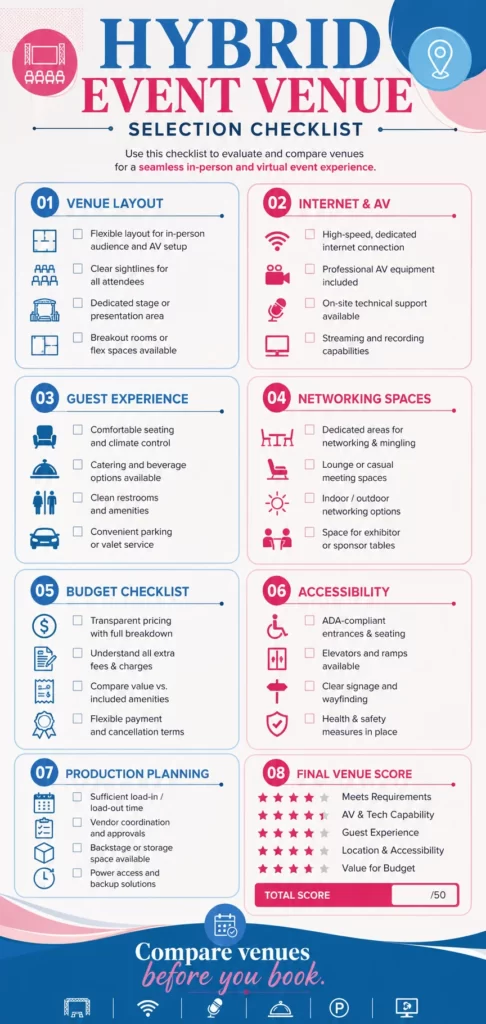
Venue Evaluation Checklist
Use this checklist during every site visit.
Layout
- Open floor plan supports networking
- Flexible furniture available
- Clear attendee flow
- Multiple networking zones
Technology
- Dedicated wired internet
- Reliable Wi-Fi
- Professional AV equipment
- Adequate power outlets
Guest Experience
- Comfortable seating
- Quality catering options
- Accessible restrooms
- Easy registration flow
Operations
- Experienced venue team
- Flexible setup times
- Transparent pricing
- Vendor-friendly policies
Safety
- Clearly marked emergency exits
- ADA-compliant access
- Security procedures
- First-aid availability
Technology & Production Requirements Every Hybrid Event Venue Should Have
Once you’ve narrowed your shortlist based on layout, accessibility, and guest experience, it’s time to evaluate the technology behind the venue.
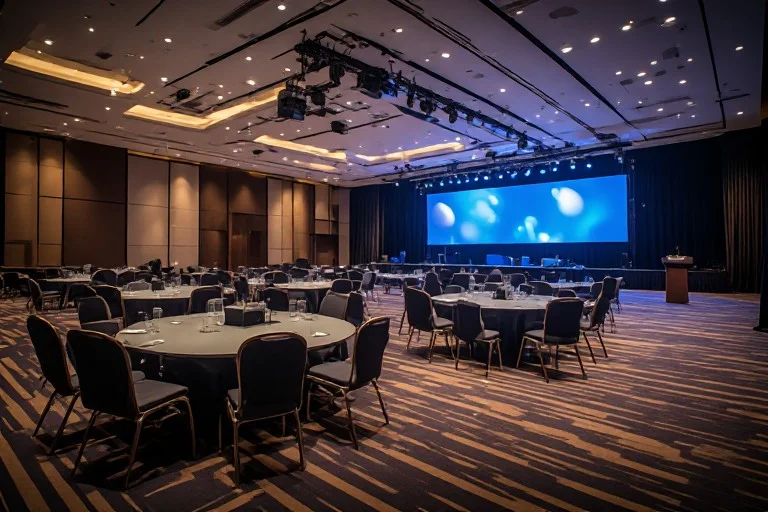
For traditional corporate events, a projector and microphone might be enough. Hybrid events are different. Every presentation must work equally well for attendees sitting in the room and those joining remotely. That requires reliable infrastructure, professional audiovisual equipment, and a venue team that understands live production—not just event setup.
A venue may look impressive during a walkthrough, but without dependable technology, even the best-designed event can face delays, interrupted presentations, or frustrated virtual attendees.
Reliable Internet Is Essential
A fast and reliable internet connection is the backbone of any hybrid event. Poor connectivity can interrupt live streams, affect presentations, and create a frustrating experience for virtual attendees.
When touring a venue, ask:
- Is a dedicated wired internet connection available?
- What upload and download speeds are guaranteed?
- Will bandwidth be shared with other events?
- Is on-site IT support available?
- Are backup internet connections provided?
- Has the venue hosted successful hybrid events before?
For important presentations and live streaming, a dedicated wired connection is usually more reliable than Wi-Fi alone.
Pro Tip
Request an internet speed test during your venue tour. Testing the connection under real-world conditions provides a much clearer picture than marketing brochures or verbal assurances.
Build Redundancy Into Your Technology Plan
Even the best internet service can experience unexpected interruptions.
Professional event planners prepare backup solutions before problems occur.
Your technology contingency plan should include:
- Secondary internet connection
- 4G or 5G failover router
- Backup laptops
- Spare presentation clickers
- Extra microphones
- Additional HDMI and USB-C adapters
- Extension cords and power strips
- Battery backups for critical equipment
These small preparations can prevent minor technical issues from becoming major disruptions.
If your organization works with outside vendors for production or logistics, understanding typical private event planning costs can help determine whether outsourcing technical support is more cost-effective than building an in-house production team.
Professional AV Equipment Makes a Visible Difference
Attendees often forgive minor video imperfections.
Poor audio, however, is much harder to overlook.
Whether guests are seated in the venue or watching remotely, they should clearly hear every presenter without echoes, distortion, or background noise.
When evaluating Hybrid Event Venues, ask about the venue’s existing AV capabilities.
A well-equipped venue may already include:
- Wireless handheld microphones
- Lapel microphones
- Ceiling speaker systems
- Digital audio mixers
- Presentation monitors
- Large LED display walls
- Projection systems
- Confidence monitors for speakers
- Recording capabilities
If equipment must be rented separately, confirm who is responsible for setup, operation, and troubleshooting during the event.
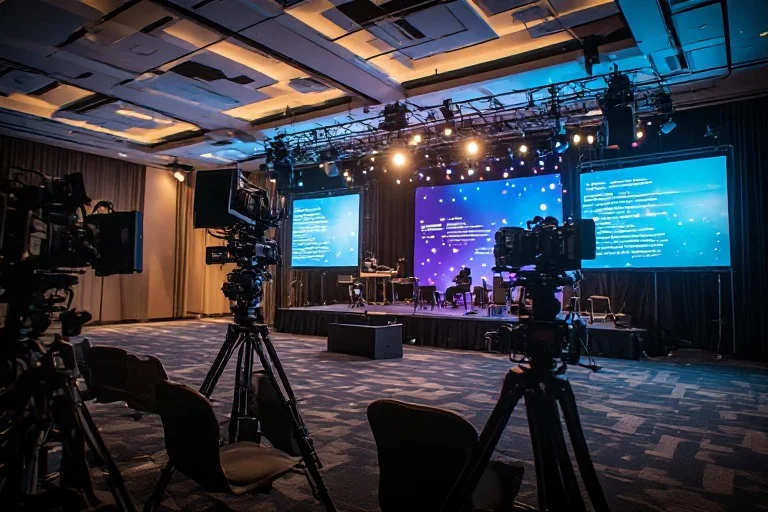
Camera Placement Should Be Planned Early
Hybrid events aren’t simply recorded meetings.
Camera positioning directly influences how engaging the virtual experience feels.
Instead of relying on one stationary camera, professional productions typically use multiple angles.
A common setup includes:
| Camera Position | Purpose |
|---|---|
| Wide Shot | Captures the full stage and audience |
| Speaker Close-Up | Focuses on presenters during keynotes |
| Audience Camera | Shows attendee reactions and engagement |
| Mobile Camera | Captures networking, demonstrations, and sponsor interactions |
Multiple perspectives create a more dynamic viewing experience while helping remote participants feel connected to the event.
Camera locations should never block attendee movement or interfere with networking areas.
Stage Design Should Support Both Audiences
Many venues focus exclusively on the audience seated inside the room.
Hybrid events require a stage that’s equally effective on camera.
When reviewing venue layouts, consider:
- Speaker visibility from every seat
- Camera sightlines
- Space for confidence monitors
- Placement of presentation screens
- Stage lighting
- Background branding
- Room for interpreters or moderators
- Easy access for speakers entering and exiting
A clean, uncluttered stage not only improves production quality but also reinforces a polished corporate image.
Avoid placing banners, floral arrangements, or furniture where they may obstruct cameras or distract virtual viewers.
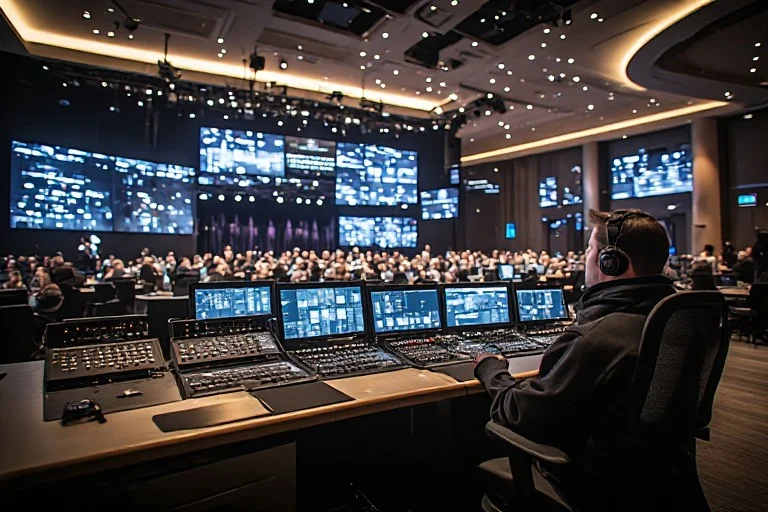
Create a Dedicated Production Area
Every successful hybrid event has a behind-the-scenes control space.
Rather than operating equipment from the audience seating area, reserve a separate production zone for the technical team.
This area typically includes:
- Video switchers
- Streaming computers
- Audio consoles
- Presentation laptops
- Internet equipment
- Communication headsets
- Power backups
Keeping production equipment separate reduces distractions while allowing technicians to respond quickly if issues arise.
Lighting Matters More Than Most Organizers Realize
Lighting affects:
- Speaker appearance
- Brand perception
- Video quality
- Audience comfort
- Photography
- Sponsor visibility
Natural light creates an inviting atmosphere during networking sessions, but it should be controllable during presentations.
Ask venue staff whether the room includes:
- Dimmable lighting
- Adjustable stage lighting
- Accent lighting
- Window blackout shades
- Independent lighting zones
These features make it easier to transition between presentations, networking sessions, meals, and live broadcasts without disrupting the audience experience.
Hybrid Events Require More Than One Screen
Presentation screens serve different audiences throughout the event.
Depending on the event format, consider including:
- Main presentation screen
- Confidence monitor for speakers
- Timer display
- Live chat monitor
- Sponsor content display
- Virtual attendee feed
Providing presenters with access to live audience questions and timing information helps sessions stay engaging without constantly relying on verbal cues from moderators.
Evaluate the Venue Team—Not Just the Venue
Technology is only as reliable as the people operating it.
During venue visits, ask who will support your event on-site.
Important questions include:
- Is there a dedicated AV manager?
- Who handles technical troubleshooting?
- Is IT support available throughout the event?
- Has the team hosted hybrid conferences before?
- How quickly can replacement equipment be provided?
Experienced venue staff often identify potential issues before they become problems, making them one of the most valuable resources during a live event.
If you’re comparing venues across multiple locations, reviewing small party venues in DC can offer ideas on how flexible event spaces maximize functionality even within smaller footprints.
Technology Readiness Checklist
Use this checklist when evaluating any hybrid venue.
Internet
- Dedicated wired connection available
- High-speed Wi-Fi throughout the venue
- Backup internet option
- On-site IT support
Audio
- Wireless microphones
- Digital sound mixer
- Audience microphones
- Recording capability
Video
- LED display or projection system
- Multiple camera positions
- Video recording support
- Live streaming compatibility
Production
- Dedicated control room
- Reliable power supply
- Cable management
- Equipment storage
Support
- Experienced AV technicians
- Event-day technical support
- Emergency replacement equipment
- Vendor coordination
Expert Insight
The most successful hybrid events don’t use the most expensive technology—they use technology that’s been thoroughly tested, supported by experienced professionals, and integrated into the event plan long before guests arrive.
Comparing Hybrid Event Venue Types & Making the Right Decision
Selecting the right venue isn’t just about finding an available date. Every venue type offers different strengths, limitations, and guest experiences. A rooftop lounge may be perfect for executive networking, while a conference center may better support a multi-day hybrid summit with breakout sessions and large-scale presentations.
Understanding these differences allows you to match the venue to your event objectives instead of forcing your event into an unsuitable space.
Hotel Ballrooms
Hotel ballrooms remain one of the most popular choices for corporate meetings, conferences, award ceremonies, and networking receptions.
They provide a professional setting while offering convenient access to guest rooms, catering, and experienced event staff.
Advantages
- Large, flexible meeting spaces
- Professional in-house catering
- Built-in audiovisual infrastructure
- Guest accommodations in the same property
- Easy logistics for multi-day events
- Experienced banquet and conference teams
Considerations
- Food and beverage minimums are common.
- Decor may feel generic without branding.
- Premium dates often book months in advance.
- Additional AV upgrades can increase costs.
Hotel venues work especially well for leadership conferences, annual meetings, training programs, and client appreciation events where attendees travel from different locations.
Conference Centers
Conference centers are purpose-built for business events.
Unlike hotels, these venues prioritize productivity with flexible meeting rooms, breakout spaces, and business-focused amenities.
They’re an excellent choice for organizations hosting educational sessions, workshops, certification programs, and hybrid conferences.
Advantages
- Multiple meeting rooms
- Excellent internet infrastructure
- Flexible room configurations
- Dedicated business environment
- Professional AV support
Considerations
- Less social atmosphere
- Limited decorative character
- Evening networking may require off-site venues
Coworking Spaces
Coworking venues have become increasingly popular for startups, technology companies, and entrepreneurial communities.
Their modern interiors naturally encourage collaboration and informal networking.
Advantages
- Creative atmosphere
- Flexible furniture
- Affordable rental options
- Strong Wi-Fi
- Collaborative environments
Considerations
- Limited capacity
- Basic catering facilities
- Smaller presentation spaces
- Limited production infrastructure
Organizations planning executive roundtables, investor meetings, or innovation workshops often find coworking spaces to be an excellent fit.
Rooftop Venues
For networking-focused events, few venues create the same energy as a rooftop overlooking a city skyline.
These venues encourage relaxed conversations while providing memorable views that naturally become conversation starters.
Advantages
- Memorable guest experience
- Excellent networking atmosphere
- Strong social media appeal
- Premium corporate image
Considerations
- Weather dependency
- Limited production infrastructure
- Noise restrictions
- Seasonal availability
If your event emphasizes relationship building over lengthy presentations, rooftop venues can significantly enhance the overall guest experience.
Museums & Cultural Venues
Museums, galleries, and cultural institutions provide a distinctive backdrop for executive networking and client entertainment.
The venue itself becomes part of the event experience, giving attendees natural conversation starters and memorable surroundings.
Advantages
- Unique atmosphere
- Built-in visual interest
- Premium brand perception
- Excellent for VIP events
Considerations
- Strict setup rules
- Limited branding flexibility
- Additional insurance requirements
- Higher rental costs
These venues work particularly well for executive receptions, donor events, product launches, and leadership networking programs.
Dedicated Hybrid Event Studios
Some events prioritize broadcast quality above everything else.
Dedicated hybrid studios are specifically designed for live streaming, virtual conferences, webinars, and professionally produced presentations.
Advantages
- Broadcast-quality production
- Professional lighting
- Permanent camera infrastructure
- Built-in streaming technology
- Experienced production teams
Considerations
- Less suitable for networking
- Limited hospitality amenities
- Smaller audience capacities
- Catering usually requires outside vendors
Organizations hosting shareholder meetings, virtual product launches, or global company announcements often benefit most from these specialized venues.
Venue Comparison Table
| Venue Type | Best For | Networking | Hybrid Technology | Cost | Flexibility |
|---|---|---|---|---|---|
| Hotel Ballroom | Conferences, awards, galas | ★★★★☆ | ★★★★★ | $$$$ | ★★★★☆ |
| Conference Center | Training, seminars, summits | ★★★☆☆ | ★★★★★ | $$$ | ★★★★★ |
| Coworking Space | Workshops, startups | ★★★★★ | ★★★☆☆ | $$ | ★★★★★ |
| Rooftop Venue | Networking mixers | ★★★★★ | ★★☆☆☆ | $$$ | ★★★☆☆ |
| Museum / Gallery | Executive receptions | ★★★★★ | ★★★☆☆ | $$$$ | ★★★☆☆ |
| Hybrid Studio | Broadcast events | ★★☆☆☆ | ★★★★★ | $$$ | ★★★★☆ |
No single venue type is universally better than another. The right choice depends on your event objectives, audience expectations, technology requirements, and budget.
Pro Tip
Always request a detailed pricing proposal—not just the rental rate. Service charges, AV upgrades, internet fees, overtime, security, cleaning, and furniture changes can significantly affect the final cost.
Budget Beyond the Venue Rental Fee
The quoted rental price rarely reflects the full event cost.
Before approving any venue, request a complete breakdown that includes:
- Venue rental
- Catering minimums
- Beverage packages
- AV equipment
- Internet upgrades
- Furniture changes
- Setup and teardown
- Security staff
- Cleaning fees
- Parking charges
- Taxes and service fees
Comparing complete proposals helps prevent unexpected expenses later in the planning process.
If you’re estimating venue expenses for different event formats, reviewing how much to rent a hall for party can provide useful pricing benchmarks for venue rentals across the United States.
Sustainability Is Becoming a Competitive Advantage
Many organizations now include sustainability as part of their venue selection process.
Ask potential venues about:
- Recycling programs
- Energy-efficient lighting
- Water conservation initiatives
- Food waste reduction
- Sustainable catering options
- Local sourcing
- Digital signage instead of printed materials
These initiatives support corporate environmental goals while appealing to environmentally conscious attendees.
Branding Opportunities That Add Value
Your venue should reinforce your company’s identity without overwhelming the event.
Look for opportunities such as:
- Digital welcome screens
- Branded LED walls
- Registration displays
- Directional signage
- Sponsor activation areas
- Presentation backdrops
- Interactive product showcases
A venue that supports thoughtful branding creates a more cohesive attendee experience while increasing sponsor visibility.
Questions to Ask Before Signing the Contract
Before making your final decision, ask every venue the same questions.
Venue Operations
- Who will manage our event on-site?
- How many events will take place simultaneously?
- What are the setup and teardown hours?
- Are there noise restrictions?
Technology
- Is dedicated internet guaranteed?
- Are backup internet options available?
- Can outside AV vendors be used?
- Is technical support available throughout the event?
Hospitality
- Are dietary accommodations available?
- Is outside catering permitted?
- Are bartenders included?
- What staffing ratios are provided?
Logistics
- Is parking included?
- Are loading docks available?
- Is overnight equipment storage available?
- Are there nearby hotels for traveling attendees?
Having consistent answers across every venue simplifies comparison and helps identify the best overall fit.
Planning, Vendor Coordination & Event-Day Execution
Choosing the right venue is only the beginning. Even the most advanced Hybrid Event Venues rely on detailed planning, coordinated vendors, and a well-prepared event team to deliver a seamless experience.
Technology, catering, registration, speakers, and production crews all need to work together on the day of the event. When each vendor understands their role and follows the same timeline, attendees experience a polished event without noticing the behind-the-scenes coordination that made it possible.
This section outlines the planning process, from the moment you book the venue until the final attendee leaves.
Build Your Planning Timeline Early
One of the biggest reasons corporate events encounter problems is that key decisions are delayed until the last few weeks.
Booking speakers, confirming AV requirements, ordering rentals, and finalizing catering all become more expensive—and more stressful—the longer they’re postponed.
A structured timeline keeps every stakeholder aligned and gives vendors enough time to prepare.
Recommended Planning Timeline
| Timeline | Primary Tasks |
|---|---|
| 6 Months Before | Define event objectives, budget, audience, and preferred venue types. Shortlist and visit potential venues. |
| 4–5 Months Before | Confirm venue contract, reserve accommodations if needed, begin speaker outreach, and secure production partners. |
| 3 Months Before | Finalize floor plan, catering, registration platform, branding assets, and event agenda. |
| 2 Months Before | Confirm audiovisual requirements, internet specifications, furniture layouts, sponsor placements, and vendor schedules. |
| 1 Month Before | Complete production meetings, test event technology, finalize attendee communications, and prepare signage. |
| 2 Weeks Before | Review the complete run-of-show with all vendors, confirm deliveries, and verify staffing schedules. |
| Event Week | Conduct venue walkthroughs, test equipment, rehearse presentations, and review contingency plans. |
| Event Day | Arrive early, perform final technical checks, brief staff, and monitor the event schedule throughout the day. |
Starting early also gives organizations time to compare venues and understand costs, especially when evaluating how much do venues charge for concerts or other large-scale events that may require similar production infrastructure.
Create a Detailed Run-of-Show
Every successful hybrid event follows a documented schedule.
A run-of-show acts as the master timeline used by venue staff, presenters, audiovisual teams, catering partners, photographers, and event coordinators.
Instead of relying on verbal updates, everyone works from the same document.
A comprehensive run-of-show should include:
- Registration opening time
- Vendor arrival schedule
- Equipment setup
- Speaker check-in
- Microphone testing
- Presentation start and finish times
- Breaks
- Meal service
- Networking sessions
- Live-stream transitions
- Sponsor announcements
- Event closing
- Breakdown schedule
For hybrid events, it’s also helpful to include separate notes for virtual attendees, such as livestream countdowns, Q&A sessions, polls, and moderator cues.
Coordinate Every Vendor Before Event Day
Hybrid events involve more moving parts than traditional meetings.
Rather than having each vendor communicate independently with the venue, designate a single point of contact who oversees all coordination.
Typical vendors may include:
- Venue management
- Catering team
- Audiovisual provider
- Internet or streaming partner
- Photographer
- Videographer
- Entertainment or MC
- Florist
- Rental company
- Registration staff
- Security personnel
- Cleaning crew
Every vendor should receive:
- Venue access times
- Loading instructions
- Floor plans
- Contact information
- Emergency procedures
- Event timeline
- Equipment requirements
Holding one final coordination meeting approximately one week before the event helps identify scheduling conflicts before they become operational issues.
Expert Tip
Ask every vendor the same question: “What could prevent you from delivering your service successfully?” Their answers often reveal risks that would otherwise remain unnoticed until event day.
Don’t Skip the Technical Rehearsal
Many organizations rehearse presentations but forget to rehearse the technology.
Hybrid events require a complete technical rehearsal using the actual equipment, internet connection, presentation slides, microphones, lighting, and streaming platform.
Your rehearsal should verify:
- Internet stability
- Camera switching
- Audio quality
- Screen sharing
- Speaker transitions
- Video playback
- Audience microphones
- Live polling
- Recording functionality
- Backup equipment
If possible, invite remote participants to join the rehearsal so they can confirm audio and video quality from outside the venue.
Registration Sets the Tone
Registration is often the first interaction attendees have with your event.
Long lines or confusing check-in procedures can create unnecessary frustration before the program even begins.
Consider including:
- Digital check-in
- QR code badges
- Self-service kiosks
- Printed agendas
- Directional signage
- Welcome staff
- Charging stations
- Coat check
For invitation-only business events, accurate attendance forecasting begins long before registration opens. Understanding RSVP meaning and tracking responses consistently can help prevent underestimating or overestimating venue capacity.
Keep Both Audiences Engaged
One of the biggest mistakes organizations make is focusing entirely on attendees inside the room.
Hybrid events should provide value for remote participants throughout the day.
Ways to increase engagement include:
For In-Person Attendees
- Live networking sessions
- Roundtable discussions
- Interactive demonstrations
- Sponsor experiences
- Coffee breaks
- Photo opportunities
For Virtual Attendees
- Live chat moderation
- Polls and surveys
- Virtual Q&A
- Downloadable resources
- Digital networking lounges
- Exclusive online sessions
The objective isn’t to make both experiences identical. Instead, ensure each audience receives meaningful opportunities to participate.
Monitor Event Performance in Real Time
Successful event teams don’t wait until after the event to identify problems.
Assign staff to monitor key operational areas throughout the day.
This includes:
- Registration wait times
- Internet performance
- Livestream quality
- Audio levels
- Session attendance
- Catering replenishment
- Room temperature
- Audience questions
- Vendor communication
Addressing small issues immediately prevents them from affecting the overall attendee experience.
Metrics That Measure Success
Attendance alone doesn’t determine whether an event achieved its objectives.
Instead, evaluate performance using a combination of operational, engagement, and business metrics.
| Category | Example Metrics |
|---|---|
| Attendance | Registered vs. actual attendees |
| Virtual Participation | Watch time, concurrent viewers, replay views |
| Networking | Meetings scheduled, contacts exchanged, app interactions |
| Engagement | Poll participation, Q&A submissions, chat activity |
| Satisfaction | Post-event surveys, Net Promoter Score (NPS), speaker ratings |
| Business Impact | Qualified leads, partnership meetings, follow-up appointments |
Tracking these metrics helps improve future events while demonstrating ROI to company leadership.
Common Mistakes to Avoid
Even experienced planners occasionally overlook small details that affect the overall experience.
Avoid these common mistakes when evaluating Hybrid Event Venues.
Choosing a Venue Based Only on Capacity
Maximum occupancy rarely reflects the actual usable space once staging, catering, production equipment, sponsor booths, and networking areas are included.
Always review detailed floor plans rather than relying on occupancy numbers alone.
Ignoring Internet Infrastructure
Fast public Wi-Fi doesn’t automatically mean reliable event connectivity.
Request dedicated bandwidth, backup internet options, and on-site technical support before signing a contract.
Underestimating Production Requirements
Hybrid events require significantly more preparation than traditional meetings.
Camera locations, lighting, audio mixing, presentation timing, and streaming platforms should all be planned well before event day.
Forgetting the Virtual Audience
Online attendees should have opportunities to ask questions, participate in discussions, download resources, and engage with presenters throughout the event.
Waiting Too Long to Book
Popular corporate venues often reserve peak dates several months in advance.
Early planning provides more venue choices, greater pricing flexibility, and additional time for vendor coordination.
Corporate Venue Selection Checklist
Before approving any venue, confirm the following.
Venue
- Appropriate capacity
- Flexible layout
- Accessible entrances
- Convenient parking
- Nearby accommodations
Technology
- Dedicated wired internet
- Venue-wide Wi-Fi
- Professional AV systems
- Multiple presentation screens
- Technical support
Guest Experience
- Comfortable networking areas
- Catering flexibility
- Clear signage
- Registration space
- Accessible restrooms
Operations
- Experienced venue staff
- Vendor-friendly policies
- Transparent pricing
- Setup flexibility
- Emergency procedures
Completing this checklist before signing a contract helps reduce risk while improving the overall event experience.
Final Thoughts
Selecting the right Hybrid Event Venue isn’t simply about renting a meeting room. It’s about creating an environment where conversations happen naturally, presentations are delivered professionally, and every attendee—whether seated inside the venue or participating remotely—feels included.
The strongest venues combine hospitality, technology, accessibility, and operational expertise into one cohesive experience. They support networking without creating congestion, presentations without technical interruptions, and meaningful interactions that continue long after the event has ended.
Taking the time to evaluate venue layouts, production capabilities, vendor coordination, and guest experience will help you choose a space that supports both your immediate event goals and your organization’s long-term relationships.
If you’re comparing venues in different markets or planning multiple business events throughout the year, creating a standardized venue evaluation process will make future decisions faster, more consistent, and easier to justify to stakeholders.
Find the Right Venue for Your Next Corporate Event
Whether you’re organizing an executive networking reception, leadership summit, client appreciation event, training session, or hybrid conference, choosing the right venue is one of the most important planning decisions you’ll make.
Explore curated corporate event spaces, compare venue amenities, review layouts, and connect with venues that match your event goals. If you have questions about venue options or planning resources, visit Contact Us for assistance.
Frequently Asked Questions
What is a hybrid event venue? ▾
A hybrid event venue is a meeting or event space designed to support both in-person attendees and virtual participants. These venues typically offer reliable internet, professional audiovisual equipment, flexible layouts, and streaming capabilities.
What should I look for when choosing a hybrid event venue? ▾
Evaluate internet reliability, audiovisual infrastructure, room layout, guest capacity, accessibility, catering options, production support, parking, and overall guest experience before making a decision.
How far in advance should I book a hybrid event venue? ▾
For conferences and large corporate events, booking six to twelve months in advance is recommended. Smaller networking events can often be planned within three to six months, depending on venue availability.
Are hybrid event venues more expensive than traditional venues? ▾
Costs vary depending on the venue and included services. Venues with built-in production equipment and technical support may reduce overall event expenses by minimizing third-party rentals.
Can small businesses benefit from hybrid events? ▾
Yes. Hybrid events allow organizations of all sizes to expand attendance beyond physical capacity, connect with remote participants, and maximize the value of their event investment.
Related Post


Hybrid Event Venues: The Complete Guide to Choosing the Right Space for Corporate Networking & Business Events
READ MORE
Search by Category

Contact Us
Please provide your contact information with event details. You will be contacted soon.

Thank You for your submission